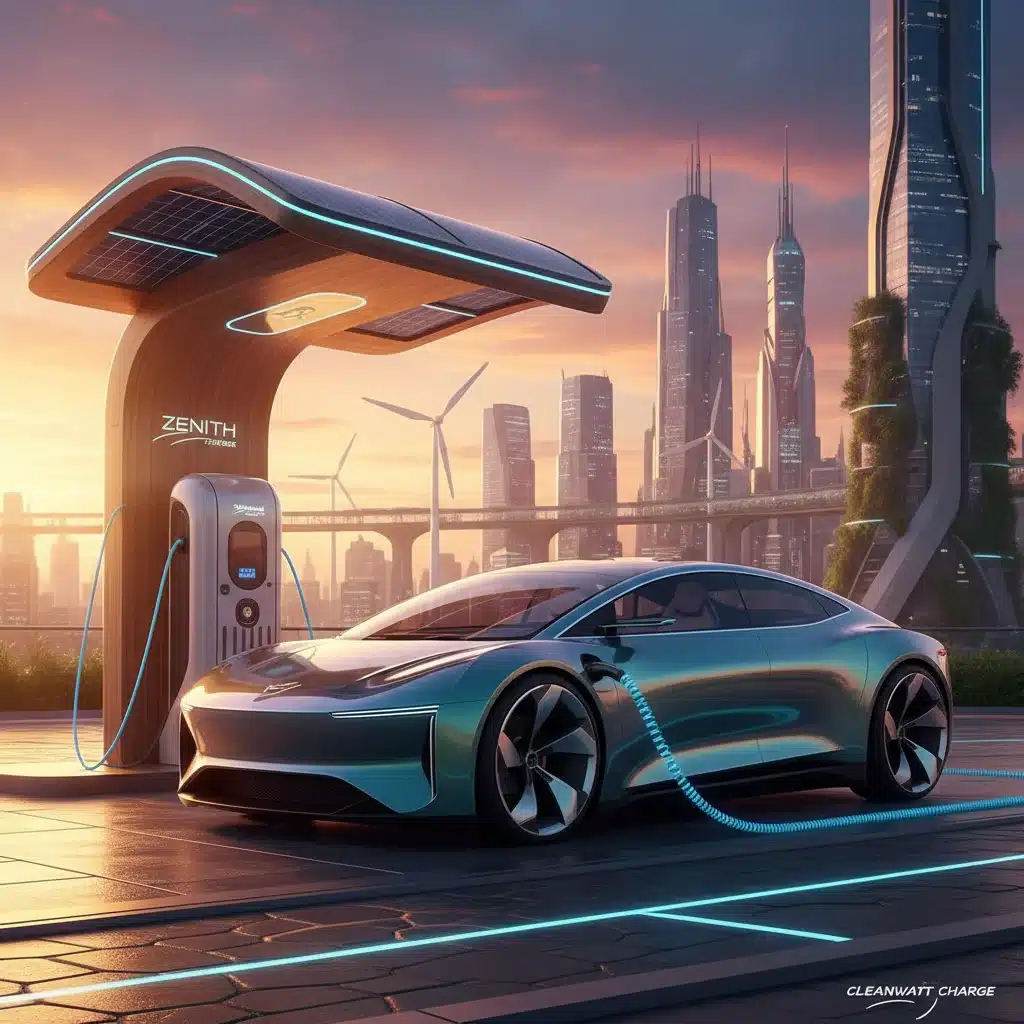
Navigating the Horizon: New EPA Emissions Standards Announced for 2026 and Their 15% Impact on the Automotive Industry
The automotive world is bracing for a significant shift as the U.S. Environmental Protection Agency (EPA) rolls out its ambitious new emissions standards for model year 2026 and beyond. These regulations, designed to aggressively combat climate change and improve air quality, mandate a substantial reduction in greenhouse gas emissions and other pollutants from light-duty and medium-duty vehicles. Specifically, the industry is looking at an approximate 15% reduction requirement, a figure that promises to reshape manufacturing processes, vehicle design, and consumer choices across the board. Understanding the nuances of these EPA Emissions Standards is crucial for manufacturers, suppliers, policymakers, and consumers alike. This comprehensive article delves into the specifics of these new regulations, explores their profound implications for the automotive industry, and discusses the innovative strategies being developed to meet these stringent environmental targets.
Anúncios
The Genesis of Change: Why New EPA Emissions Standards Are Necessary
For decades, vehicular emissions have been a primary contributor to air pollution and climate change. Exhaust fumes release carbon dioxide (CO2), a potent greenhouse gas, along with nitrogen oxides (NOx), particulate matter (PM), and volatile organic compounds (VOCs), all of which have detrimental effects on human health and the environment. The urgency to address these issues has intensified, driven by scientific consensus on climate change and growing public demand for cleaner air. The new EPA Emissions Standards for 2026 are not merely an incremental adjustment; they represent a decisive leap towards a more sustainable automotive future. They build upon previous regulations, such as the Corporate Average Fuel Economy (CAFE) standards, but introduce even more aggressive targets for emissions reduction, particularly focusing on CO2. The goal is clear: to accelerate the transition towards a zero-emission vehicle (ZEV) fleet and to significantly reduce the environmental footprint of transportation.
The EPA’s decision is underpinned by extensive research and modeling, demonstrating the feasibility and necessity of these changes. The agency projects that these standards will prevent millions of tons of greenhouse gas emissions, leading to substantial public health benefits, including fewer premature deaths and reduced incidences of respiratory illnesses. Furthermore, the long-term economic benefits, such as reduced healthcare costs and fuel savings for consumers, are expected to outweigh the initial investment costs for manufacturers. This holistic approach underscores the EPA’s commitment to fostering a sustainable future while also driving technological innovation within the automotive sector. The 15% reduction target is a challenge, but also an opportunity for the industry to redefine itself.
Anúncios
Dissecting the 2026 EPA Emissions Standards: What’s New?
The core of the 2026 EPA Emissions Standards lies in their stringency and scope. While specific numerical targets vary by vehicle class and weight, the overarching mandate is a significant reduction in tailpipe emissions, particularly CO2. This translates into a projected industry-wide average reduction of approximately 15% in fleet-average greenhouse gas emissions compared to current levels. This is achieved through a combination of stricter grams-per-mile limits for CO2, as well as enhanced requirements for other pollutants.
Key Aspects of the New Regulations:
- Greenhouse Gas (GHG) Reductions: The primary focus is on CO2, with manufacturers needing to achieve lower fleet-average CO2 emissions. This pushes for greater fuel efficiency and, more significantly, the adoption of electric vehicles (EVs).
- Zero-Emission Vehicle (ZEV) Mandates: While not a direct mandate, the standards are structured to strongly incentivize the production and sale of ZEVs, including battery electric vehicles (BEVs) and plug-in hybrid electric vehicles (PHEVs). The credits system heavily favors ZEVs, making them an essential component of compliance strategies.
- Broader Scope: The regulations apply to light-duty vehicles (passenger cars and smaller trucks) and extend to certain medium-duty vehicles, ensuring a wider impact across the vehicle market.
- Durability and Warranty Requirements: Enhanced requirements for emissions control system durability and warranty periods ensure that vehicles maintain their low-emission performance over their lifetime.
- Test Procedures and Compliance: More rigorous testing protocols and compliance mechanisms are being implemented to ensure accurate reporting and adherence to the new standards.
The phased implementation of these standards, beginning in model year 2026 and escalating through 2032, provides manufacturers with a roadmap and a timeframe to adapt. However, the 15% reduction by 2026 is an immediate hurdle that demands rapid innovation and strategic planning. The implications are far-reaching, affecting every aspect of vehicle production, from powertrain development to supply chain management.
The Automotive Industry’s Response: Challenges and Opportunities
The automotive industry, a behemoth of innovation and economic activity, faces both immense challenges and unprecedented opportunities in light of the new EPA Emissions Standards. The 15% reduction target by 2026 is not a minor adjustment; it necessitates a fundamental rethinking of vehicle architectures and business models.
Challenges:
- Technological Investment: Significant capital investment is required for research and development into advanced powertrain technologies, particularly electric vehicle platforms, battery technology, and charging infrastructure.
- Supply Chain Transformation: The shift towards EVs demands a complete overhaul of existing supply chains, with a greater reliance on critical minerals for batteries, specialized electronic components, and new manufacturing processes.
- Manufacturing Re-tooling: Existing production facilities will need extensive re-tooling and re-training of the workforce to accommodate EV production.
- Consumer Acceptance and Affordability: While EV adoption is growing, concerns about range anxiety, charging infrastructure availability, and the higher upfront cost of EVs remain significant hurdles that manufacturers must address.
- Regulatory Complexity: Navigating a patchwork of federal and state regulations, alongside international standards, adds another layer of complexity for global automakers.
- Economic Impact: The transition could lead to job displacement in traditional internal combustion engine (ICE) manufacturing sectors, requiring proactive strategies for workforce retraining and job creation in new areas.
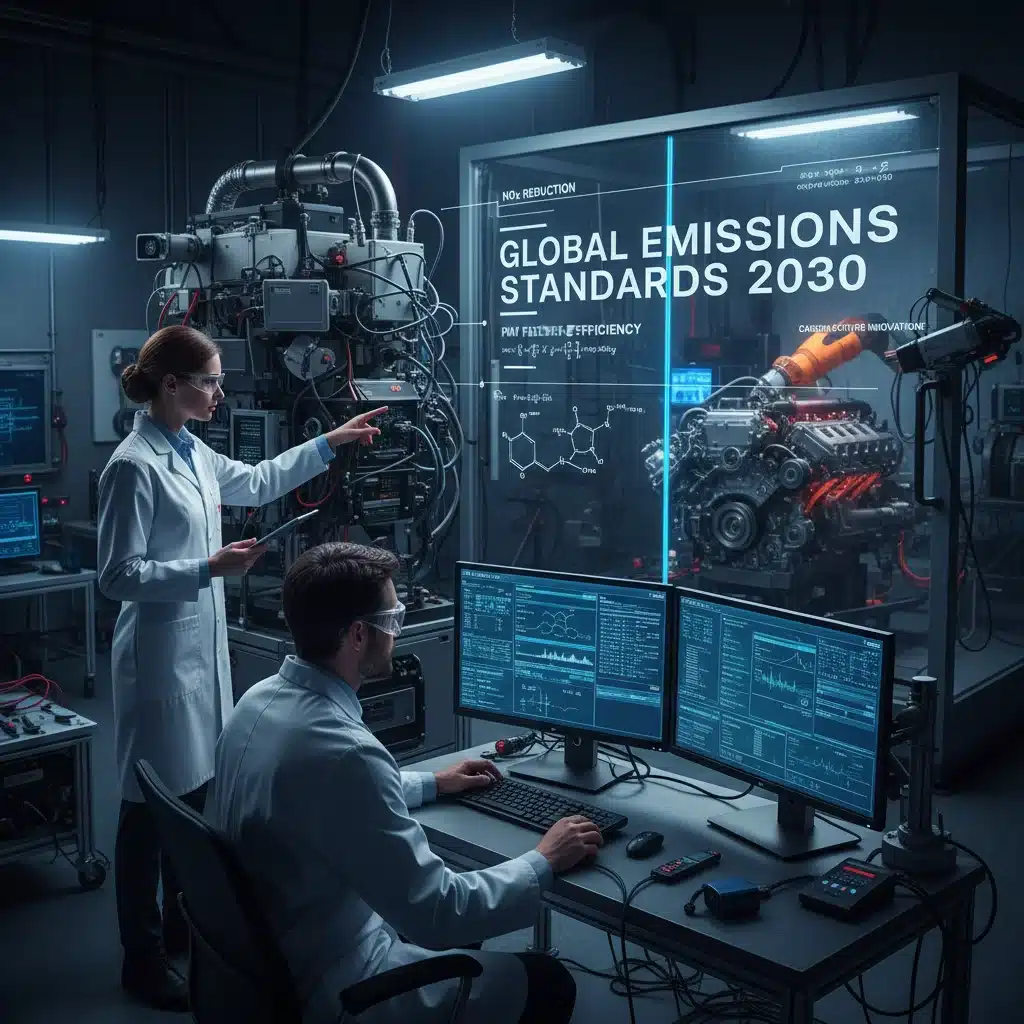
Opportunities:
- Innovation Leadership: Companies that successfully adapt and innovate will emerge as leaders in the burgeoning electric vehicle market, gaining a competitive edge.
- New Market Segments: The focus on ZEVs opens up opportunities for new vehicle segments, mobility services, and energy solutions.
- Enhanced Brand Image: Automakers committed to sustainability can significantly enhance their brand reputation and appeal to environmentally conscious consumers.
- Cost Efficiencies in the Long Run: While initial investments are high, the long-term operational costs of EVs (fuel and maintenance) are generally lower, offering potential for new business models and revenue streams.
- Energy Independence: A shift away from fossil fuels can contribute to greater energy independence and reduce vulnerability to volatile global oil markets.
The industry’s success hinges on its ability to embrace these challenges as catalysts for innovation, transforming them into opportunities for growth and sustainable development. The 15% reduction target is not just a regulatory burden; it’s a strategic imperative.
Strategies for Compliance: How Automakers Are Adapting
Meeting the 2026 EPA Emissions Standards requires a multi-faceted approach. Automakers are deploying a range of strategies, from advanced engineering to strategic partnerships, to ensure compliance and maintain competitiveness.
Key Compliance Strategies:
- Accelerated EV Development and Production: This is arguably the most critical strategy. Companies are pouring billions into developing new EV models, expanding battery production, and scaling up manufacturing capacity for electric vehicles. This includes a focus on diverse EV offerings, from compact cars to electric trucks and SUVs, to meet varied consumer demands.
- Hybridization of Existing Fleets: For segments where full electrification is still challenging or less appealing to consumers, advanced hybrid and plug-in hybrid technologies offer a bridge solution. These vehicles significantly reduce emissions compared to traditional ICE vehicles and can contribute to fleet-average reductions.
- Optimizing Internal Combustion Engines (ICE): Even as the industry shifts towards electrification, there’s continued investment in making ICE vehicles more efficient. This includes advancements in engine design, lighter materials, improved aerodynamics, and sophisticated emissions control systems to squeeze out every possible gain in fuel economy and reduce pollutants.
- Lightweighting and Aerodynamics: Reducing vehicle weight through advanced materials (e.g., aluminum, carbon fiber) and optimizing aerodynamic designs are crucial for improving fuel efficiency across all powertrain types, directly impacting CO2 emissions.
- Software and Data Analytics: Advanced software and data analytics are being used to optimize engine performance, manage battery systems, and predict maintenance needs, all contributing to better emissions control and efficiency.
- Investment in Charging Infrastructure: While not directly mandated, automakers are recognizing the importance of a robust charging infrastructure to support EV adoption. Many are investing in or partnering with charging network providers to ease consumer concerns.
- Strategic Partnerships: Collaborations with battery manufacturers, technology companies, and even competitors are becoming common to share costs, accelerate R&D, and leverage expertise in new areas.
The transition is not uniform; different manufacturers will prioritize different strategies based on their current product portfolios, market positions, and technological capabilities. However, the overarching trend is a clear and irreversible move towards electrification as the primary pathway to meet the stringent EPA Emissions Standards.
The Role of Government and Policy in Shaping the Future
While the EPA sets the standards, the broader governmental and policy landscape plays a critical role in facilitating the automotive industry’s transition. Supportive policies can significantly ease the burden of compliance and accelerate the adoption of cleaner technologies.
Key Policy Interventions:
- Incentives for EV Purchases: Federal and state tax credits, rebates, and other financial incentives for consumers buying EVs are crucial for stimulating demand and offsetting higher upfront costs.
- Investment in Charging Infrastructure: Government funding for public and private charging infrastructure development is essential to alleviate range anxiety and make EVs a viable option for more consumers.
- R&D Funding: Government grants and funding for research and development in advanced battery technology, hydrogen fuel cells, and other innovative clean energy solutions can accelerate technological breakthroughs.
- Supply Chain Support: Policies aimed at strengthening domestic supply chains for critical minerals and EV components can reduce reliance on foreign sources and create jobs.
- Workforce Development: Programs to retrain workers from traditional automotive manufacturing for jobs in the EV sector are vital to ensure a just transition.
- Harmonization of Regulations: Efforts to harmonize federal and state regulations can simplify compliance for manufacturers and create a more predictable regulatory environment.
The synergistic relationship between stringent EPA Emissions Standards and supportive government policies is paramount. Without adequate infrastructure and consumer incentives, even the most ambitious standards might struggle to achieve their full potential. Policymakers are tasked with creating an ecosystem that encourages innovation, reduces economic friction, and ultimately delivers on the promise of a cleaner environment.

Consumer Impact: What Drivers Can Expect
The new EPA Emissions Standards will inevitably trickle down to consumers, influencing vehicle choices, costs, and driving experiences. Understanding these impacts is key for the public.
Consumer Implications:
- Increased EV Options: Drivers can expect a much wider array of electric vehicles to choose from across all segments, offering more variety in terms of style, performance, and price points.
- Potentially Higher Upfront Costs for Some Vehicles: While EV technology is advancing rapidly, the initial purchase price of some new vehicles, particularly EVs, might be higher due to the advanced technology and battery costs. However, this is often offset by incentives and lower operating costs over the vehicle’s lifetime.
- Lower Operating Costs: EVs generally have lower fuel costs (electricity is typically cheaper than gasoline) and reduced maintenance requirements (fewer moving parts), leading to significant long-term savings for owners.
- Improved Air Quality: A collective benefit for all citizens will be cleaner air, especially in urban areas, leading to better public health outcomes.
- Evolution of Driving Experience: EVs offer instant torque, quiet operation, and a smooth driving experience, which many drivers find superior to traditional ICE vehicles.
- Necessity of Charging Solutions: For EV owners, access to home charging or reliable public charging infrastructure will become a key consideration.
The market will naturally adjust, with competition driving down prices and technological advancements improving performance and range. The long-term trend points towards a future where clean, efficient, and technologically advanced vehicles become the norm, benefiting both the environment and the consumer’s wallet. The 15% reduction in emissions is a direct step towards this future.
Looking Beyond 2026: The Future of Automotive Emissions
The 2026 EPA Emissions Standards are not the final word but rather a significant milestone in a longer journey towards full decarbonization of the transportation sector. The EPA has already signaled its intent to pursue even more aggressive standards for future model years, aiming for a nearly 100% ZEV fleet by 2032. This long-term vision underscores the continuous pressure on the automotive industry to innovate and adapt.
Future developments will likely include:
- Advanced Battery Technologies: Continued breakthroughs in battery chemistry, energy density, charging speed, and cost reduction will be critical. Solid-state batteries, for instance, hold immense promise.
- Hydrogen Fuel Cell Vehicles: While currently a niche market, hydrogen fuel cell electric vehicles (FCEVs) could play a more prominent role, especially for heavier-duty applications, as hydrogen production and infrastructure become more sustainable and widespread.
- Smart Charging and Grid Integration: Vehicles will become more integrated with the energy grid, enabling smart charging that optimizes energy consumption and supports grid stability.
- Circular Economy Principles: Greater emphasis on the entire lifecycle of vehicles, including sustainable manufacturing, recycling of batteries and components, and reducing waste.
- Autonomous and Connected Vehicles: These technologies can further optimize driving efficiency and reduce emissions through smoother traffic flow and optimized routes.
The path ahead is challenging, but the direction is clear. The automotive industry is on the cusp of its most transformative era since its inception, driven by environmental imperatives and technological advancements. The 15% reduction requirement by 2026 is just the beginning of a profound evolution towards a cleaner, greener, and more sustainable future for transportation.
Conclusion: A New Era for the Automotive Industry
The new EPA Emissions Standards for 2026 mark a pivotal moment for the automotive industry. The mandated 15% reduction in emissions is a formidable challenge that demands rapid innovation, substantial investment, and a strategic reimagining of vehicle design and production. While the road to compliance will be fraught with hurdles, it also presents unparalleled opportunities for growth, technological leadership, and a significant contribution to environmental sustainability.
Manufacturers are responding with accelerated EV development, advanced hybridization, and continuous improvements in ICE technology. Government policies are crucial in supporting this transition through incentives, infrastructure development, and R&D funding. For consumers, this means more electric vehicle options, lower long-term operating costs, and the collective benefit of cleaner air.
Ultimately, these standards are not just about reducing pollution; they are about shaping the future of mobility. They are pushing the automotive world towards a cleaner, more efficient, and technologically advanced paradigm. The transition will require collaboration across industries, innovative thinking, and a shared commitment to a sustainable future. The 2026 standards are a clear signal that the era of high-emission vehicles is drawing to a close, paving the way for a new generation of transportation that prioritizes both performance and planetary health.