Airline Passenger Rights 2026: Claiming Up to $1,550 for Delays and Cancellations
Anúncios
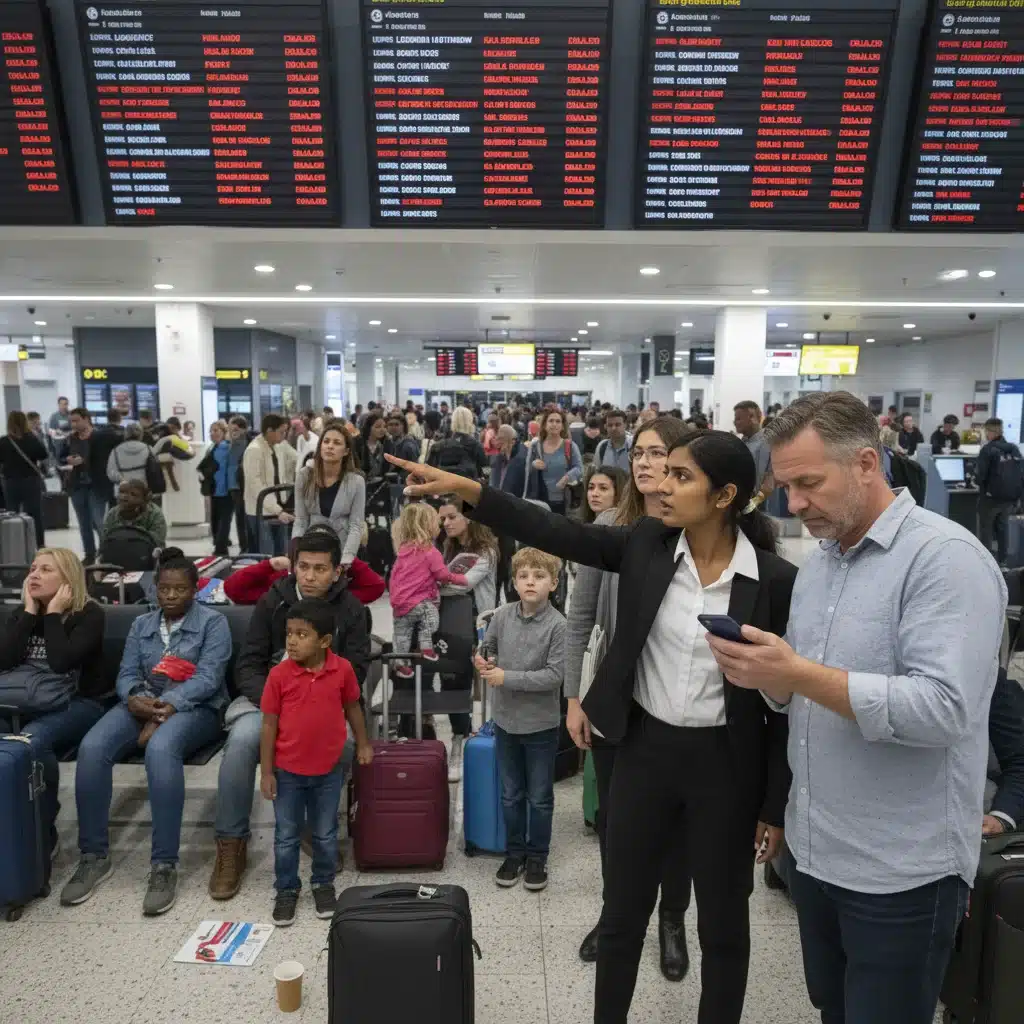
Air travel, while offering unparalleled convenience and the thrill of exploration, can sometimes be fraught with unexpected disruptions. Flight delays, cancellations, and denied boarding are not just minor inconveniences; they can lead to missed connections, ruined vacations, and significant financial losses. In 2026, understanding your airline passenger rights is more crucial than ever, as regulations evolve and compensation ceilings potentially increase. This comprehensive guide will equip you with the knowledge to navigate these challenges, ensuring you can claim what you’re rightfully owed, potentially up to $1,550 or more, depending on the circumstances and jurisdiction.
Anúncios
The landscape of air passenger protection is complex, with different rules applying based on your departure and arrival locations, the airline’s operating country, and the specific nature of the disruption. Whether you’re flying within the European Union, across the United States, or internationally, knowing your entitlements can make a substantial difference. This article will delve into the key regulations, explain how to determine eligibility for compensation, and provide actionable steps to successfully file a claim. We will also explore common scenarios, offer practical advice, and highlight important updates for 2026 to ensure you are fully prepared for any eventuality.
Understanding Your Baseline Airline Passenger Rights
Before diving into specific compensation amounts, it’s essential to grasp the fundamental airline passenger rights that generally apply across various jurisdictions. These rights typically cover situations like flight delays, cancellations, and denied boarding due to overbooking. While the specifics vary, the core principle is that airlines have a responsibility to their passengers, and when they fail to uphold that responsibility, compensation or assistance may be due.
Anúncios
The European Union’s EC 261/2004 Regulation: A Benchmark for Passenger Protection
Perhaps the most robust and well-known set of airline passenger rights comes from the European Union’s Regulation (EC) No 261/2004. This regulation applies to passengers departing from an EU airport, or arriving at an EU airport from a non-EU country if the operating airline is EU-licensed. It mandates significant compensation for delays, cancellations, and denied boarding under specific conditions.
- Flight Delays: If your flight arrives at its final destination 3 hours or more late, you could be entitled to compensation ranging from €250 to €600 (approximately $270 to $650, subject to exchange rates), depending on the flight distance. The airline must also provide care and assistance (meals, refreshments, communication, and accommodation if an overnight stay is required) for delays exceeding certain thresholds (e.g., 2 hours for short-haul flights).
- Flight Cancellations: If your flight is cancelled and you are not informed at least 14 days in advance, you are usually entitled to the same compensation amounts as for delays, in addition to a choice between a full refund or re-routing to your final destination. The airline must also provide care and assistance.
- Denied Boarding: If you are denied boarding due to overbooking, you are entitled to the same compensation amounts as for cancellations and delays, plus the choice of a full refund or re-routing, and care and assistance.
It’s crucial to note that ‘extraordinary circumstances’ (e.g., severe weather, political instability, unexpected flight safety shortcomings, air traffic control strikes) can exempt airlines from paying financial compensation, though they are usually still obligated to provide care and assistance or re-routing. However, technical issues within the airline’s control are generally not considered extraordinary circumstances.
United States Department of Transportation (DOT) Regulations
In the United States, the Department of Transportation (DOT) provides a different, though still significant, level of airline passenger rights. Unlike the EU, there isn’t a federal law mandating compensation for delayed or canceled flights. However, there are strong protections for denied boarding.
- Denied Boarding (Overbooking): If you are involuntarily bumped from an oversold flight, you are entitled to compensation. For domestic flights, if the airline arranges alternate transportation that arrives at your destination 1 to 2 hours after your original arrival time, the compensation is 200% of your one-way fare, up to $775. If the delay is more than 2 hours (or 4 hours for international flights), or if no substitute transportation is provided, the compensation doubles to 400% of your one-way fare, up to $1,550. This is where the potential for up to $1,550 in claims often arises.
- Flight Delays and Cancellations: For delays and cancellations, U.S. airlines are generally not required to provide monetary compensation. However, they are often required by their contract of carriage (the agreement you implicitly sign when buying a ticket) to provide certain amenities. For significant delays or cancellations, airlines typically offer re-routing, hotel accommodation, and meal vouchers. It’s always advisable to check the specific airline’s contract of carriage.
Other International Regulations and Conventions
Beyond the EU and US, other international agreements and national laws also govern airline passenger rights. The Montreal Convention, for example, applies to international carriage by air and sets rules for liability regarding baggage, cargo, and passenger injury or death. While it doesn’t directly address flight delays or cancellations with fixed compensation amounts like EC 261, it does allow passengers to claim damages for losses incurred due to delays, provided they can prove the financial impact.
Many other countries, such as Canada, the UK (post-Brexit, they adopted their own version of EC 261), and Australia, have their own specific regulations. It’s crucial to research the applicable laws based on your travel itinerary.
When Can You Claim Compensation? Specific Scenarios Explained
Understanding the general frameworks is one thing, but knowing the specific triggers for compensation is another. Let’s break down common scenarios and your airline passenger rights for each.
Significant Flight Delays
A delay isn’t just an inconvenience; it can be a compensable event. Under EC 261, a delay of 3 hours or more at your final destination is the key threshold. The compensation amount is determined by the flight distance:
- Short-haul flights (up to 1,500 km): €250
- Medium-haul flights (1,500 km to 3,500 km, or all intra-EU flights over 1,500 km): €400
- Long-haul flights (over 3,500 km): €600
Remember, the airline must be responsible for the delay. Mechanical issues, crew shortages, or operational problems are typically within the airline’s control. Air traffic control restrictions or extreme weather are usually not.
Flight Cancellations Without Sufficient Notice
A cancelled flight can be particularly frustrating. Your airline passenger rights in this situation are strong, especially under EC 261. You are generally entitled to compensation if:
- The airline cancels your flight less than 14 days before departure.
- You were not offered an alternative flight that arrives close to your original scheduled time.
The compensation amounts mirror those for delays. Additionally, you always have the right to either a full refund for the unused parts of your ticket or re-routing to your final destination at the earliest opportunity or a later date convenient to you.
Denied Boarding Due to Overbooking
Being denied boarding when you have a valid ticket is one of the most frustrating experiences. This usually happens when an airline has oversold seats (a common practice to account for no-shows). Your airline passenger rights are particularly strong here.
Under EC 261, if you are involuntarily denied boarding, you are entitled to the same compensation as for delays and cancellations, plus the right to a refund or re-routing, and care and assistance. The airline must first seek volunteers to give up their seats in exchange for benefits.
In the US, as mentioned, the compensation for involuntary denied boarding can be substantial, up to $1,550, depending on the length of the delay to your final destination. It’s crucial to understand that if you voluntarily give up your seat in exchange for a voucher or other benefits, you waive your right to further cash compensation under DOT rules.
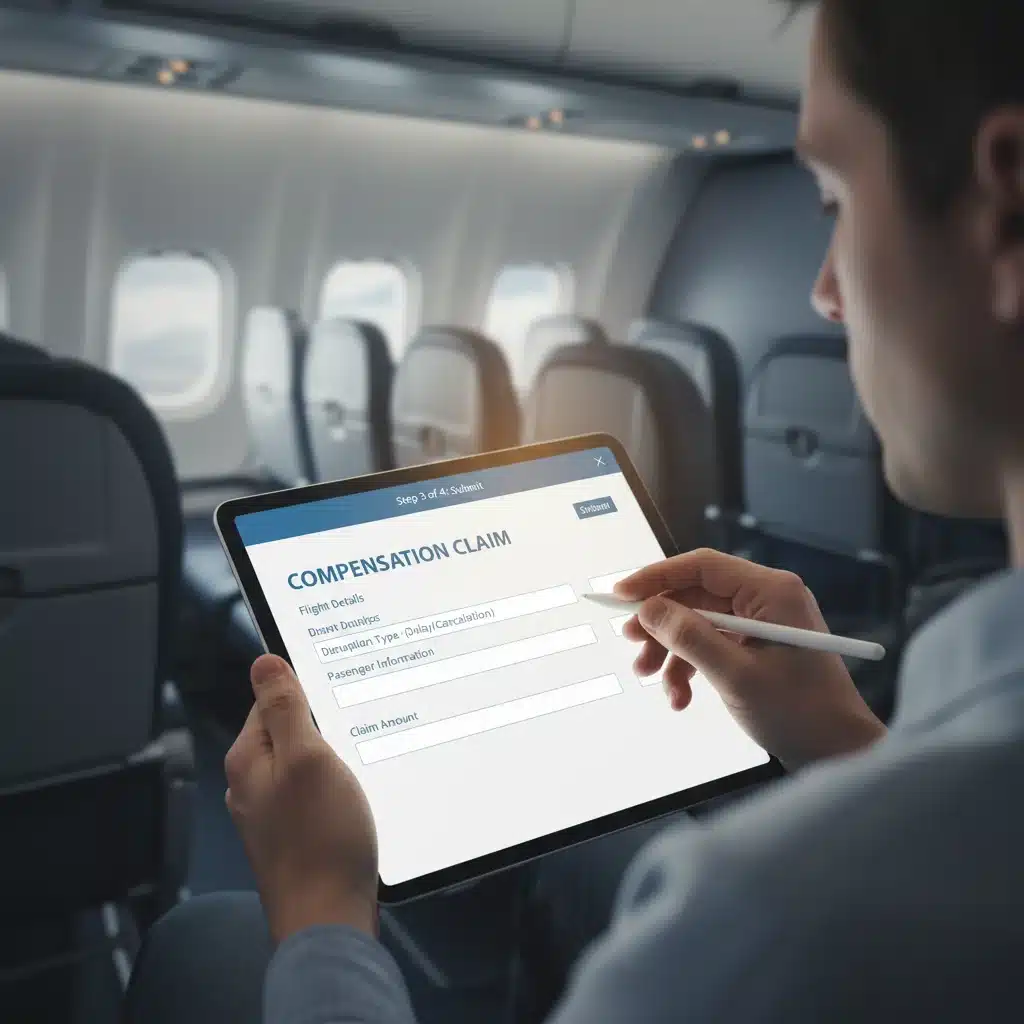
How to Claim Your Compensation: A Step-by-Step Guide
Knowing your airline passenger rights is only half the battle; successfully claiming your compensation requires a systematic approach. Here’s how to do it:
Step 1: Document Everything
The moment you suspect a disruption, start documenting. This includes:
- Flight details: Flight number, scheduled departure/arrival times, actual departure/arrival times.
- Reason for disruption: Ask airline staff for the official reason. Get it in writing if possible.
- Keep all travel documents: Boarding passes, e-tickets, baggage tags.
- Record expenses: Keep receipts for any unexpected costs (meals, accommodation, transport) if the airline didn’t provide them.
- Communicate with the airline: Note down who you spoke to, when, and what was discussed.
Step 2: Understand the Applicable Regulations
Determine which set of airline passenger rights applies to your situation. Is it EC 261, DOT regulations, or another country’s laws? This will guide your claim process and what you can expect.
Step 3: Contact the Airline Directly
The first point of contact should always be the airline. Most airlines have a dedicated customer relations department or an online form for compensation claims. Clearly state your flight details, the nature of the disruption, and the compensation you are requesting, citing the relevant regulation (e.g., EC 261/2004).
Be polite but firm. Attach all relevant documentation. Keep a record of your correspondence, including dates and reference numbers.
Step 4: Be Persistent and Follow Up
Airlines sometimes take time to respond, and initial responses might be rejections. Don’t give up. Follow up regularly. If the airline rejects your claim, ask for a detailed explanation and review it carefully. Sometimes, the initial reason given might not hold up under scrutiny (e.g., claiming ‘technical fault’ is an extraordinary circumstance when it is not).
Step 5: Escalate Your Claim (If Necessary)
If the airline denies your claim unfairly or fails to respond within a reasonable timeframe (e.g., 6-8 weeks), you have options for escalation:
- National Enforcement Bodies (NEBs) in the EU: Each EU country has an NEB responsible for enforcing EC 261. You can file a complaint with the NEB of the country where the incident occurred or where the flight departed.
- Department of Transportation (DOT) in the US: For US flights, you can file a complaint with the DOT. While the DOT doesn’t resolve individual compensation disputes, it monitors airline compliance and can intervene.
- Alternative Dispute Resolution (ADR) schemes: Some countries have independent ADR services (ombudsmen or arbitration) that can mediate or rule on disputes between passengers and airlines.
- Claim Companies: Many companies specialize in helping passengers claim compensation for a fee (usually a percentage of the compensation). If you find the process too daunting, this can be a viable option. They handle all the paperwork and communication.
- Small Claims Court: As a last resort, you can consider taking the airline to small claims court, especially for significant compensation amounts.
Key Updates and Considerations for 2026 Regarding Airline Passenger Rights
The world of air travel regulations is dynamic. While core principles remain, there are always potential updates and emerging trends that could impact your airline passenger rights in 2026. Keep these in mind:
Increased Focus on Transparency and Communication
Regulatory bodies worldwide are pushing for greater transparency from airlines, especially during disruptions. Expect stricter requirements for airlines to communicate delays and cancellations promptly and clearly, including the reasons and available options for passengers. This improved communication can empower passengers to act quickly and effectively.
Potential for Higher Compensation Limits
While the €250-€600 compensation under EC 261 has been stable for a long time, there are ongoing discussions in various regions about potentially increasing these amounts to reflect inflation and the increasing cost of travel disruptions. Similarly, the DOT’s maximum compensation for denied boarding could see adjustments. Staying informed about these potential changes is key.
Environmental Impact and ‘Green’ Travel Clauses
As environmental concerns grow, some regulations might start incorporating clauses related to sustainable travel. While unlikely to directly impact financial compensation for delays, it could influence re-routing options or airline responsibilities in the long term. This is an emerging area to watch.
Digitalization of Claims Processes
Airlines and regulatory bodies are increasingly adopting digital platforms for filing and managing claims. This can streamline the process, making it easier for passengers to submit documentation and track their claims. Familiarize yourself with online portals and digital submission methods.
The Impact of Global Events
Global events, from pandemics to geopolitical shifts, can significantly impact air travel. While ‘extraordinary circumstances’ clauses exist, there’s an ongoing debate about what constitutes such circumstances and how airlines should manage them while still upholding airline passenger rights. Always check official government travel advisories and airline policies during times of global uncertainty.

Practical Tips for Navigating Flight Disruptions
Beyond knowing your rights, a few practical tips can significantly ease the stress and improve your outcome during a flight disruption:
- Arrive Early: While it won’t prevent a delay, arriving early gives you more time to react and seek information if things go wrong.
- Stay Calm and Polite: Airline staff are often dealing with many frustrated passengers. A calm and polite approach can sometimes yield better results.
- Use Airline Apps and Websites: Many airlines provide real-time updates through their apps and websites. Check these frequently, as they might be updated faster than airport screens.
- Know Your Rights on the Go: Have a basic understanding of your rights or quick access to information (like this article!) on your phone.
- Consider Travel Insurance: A good travel insurance policy can cover expenses that airline compensation might not, such as non-refundable tours, pre-booked accommodation not covered by the airline, or additional transport costs.
- Connect with Other Passengers: In a large disruption, other passengers might have valuable information or be willing to share resources.
- Don’t Accept Vouchers Hastily: Especially for denied boarding in the US or cancellations/delays in the EU, be cautious about accepting airline vouchers if you are entitled to cash compensation. Vouchers often come with restrictions and may be worth less than your cash entitlement.
- Keep Receipts: For any expenses incurred due to the disruption (food, drink, accommodation, transport), keep all receipts. Even if not directly part of the compensation, they can support claims for additional damages.
- Be Prepared for Long Holds: When calling airlines, expect potentially long wait times during major disruptions. Try alternative contact methods like social media or online chat if available.
Common Misconceptions About Airline Passenger Rights
There are several common misunderstandings that can prevent passengers from claiming what they are owed or lead to unnecessary frustration. Let’s clarify some of these:
- All Delays Qualify for Compensation: This is false. Under EC 261, only delays of 3 hours or more at the final destination, caused by factors within the airline’s control, qualify for financial compensation. Minor delays or delays due to ‘extraordinary circumstances’ do not. In the US, there’s no federal requirement for compensation for delays.
- Compensation is Automatic: Compensation is rarely automatic. Passengers almost always need to file a claim with the airline, and sometimes pursue it further.
- Vouchers are Always Better: While a voucher might seem attractive in the heat of the moment, cash compensation under regulations like EC 261 or DOT overbooking rules is often more valuable and flexible. Understand your cash entitlement before accepting a voucher.
- Airline Staff Can Grant Compensation on the Spot: Front-line airport staff typically do not have the authority to approve or issue compensation. They can provide information and assistance, but compensation claims usually go through a specific department.
- Connecting Flights are Treated Separately: Under EC 261, if you have connecting flights booked under a single reservation, the delay is calculated based on your arrival time at your final destination, not just the delayed segment. This is crucial for determining eligibility.
The Future of Airline Passenger Rights
As air travel continues to grow and evolve, so too will the focus on passenger protection. Advocacy groups and regulatory bodies are constantly working to refine and strengthen airline passenger rights, aiming for greater consistency across borders and more transparent, efficient claims processes. Technologies like blockchain could even play a role in the future, providing immutable records of flight data to streamline compensation verification.
One area of ongoing discussion is the harmonization of global passenger rights. While a single, universally adopted regulation remains a distant goal, there’s a clear trend towards greater alignment in consumer protection principles. This could mean that in the years beyond 2026, passengers might find it even easier to understand and exercise their rights, regardless of where they fly.
Moreover, the increasing scrutiny on airline operational resilience means that carriers are under pressure to minimize disruptions. Proactive measures, such as better crew scheduling, improved maintenance, and enhanced contingency planning, are becoming more common, which ultimately benefits passengers by reducing the likelihood of delays and cancellations in the first place.
Conclusion: Empowering Your Air Travel in 2026
Navigating the complexities of air travel disruptions can be daunting, but armed with a thorough understanding of your airline passenger rights, you can approach any challenge with confidence. Whether it’s a minor delay or a full cancellation, knowing your entitlements – from care and assistance to significant financial compensation of up to $1,550 or more – is your most powerful tool.
By documenting everything, understanding the applicable regulations, and following the correct claim procedures, you significantly increase your chances of a successful outcome. Stay informed about evolving regulations, leverage available resources, and remember that persistence often pays off. In 2026 and beyond, your journey should not be defined by unexpected disruptions, but by the assurance that your rights as a passenger are protected and enforceable.
Travel smart, travel prepared, and never underestimate the power of knowing your airline passenger rights.
Autor