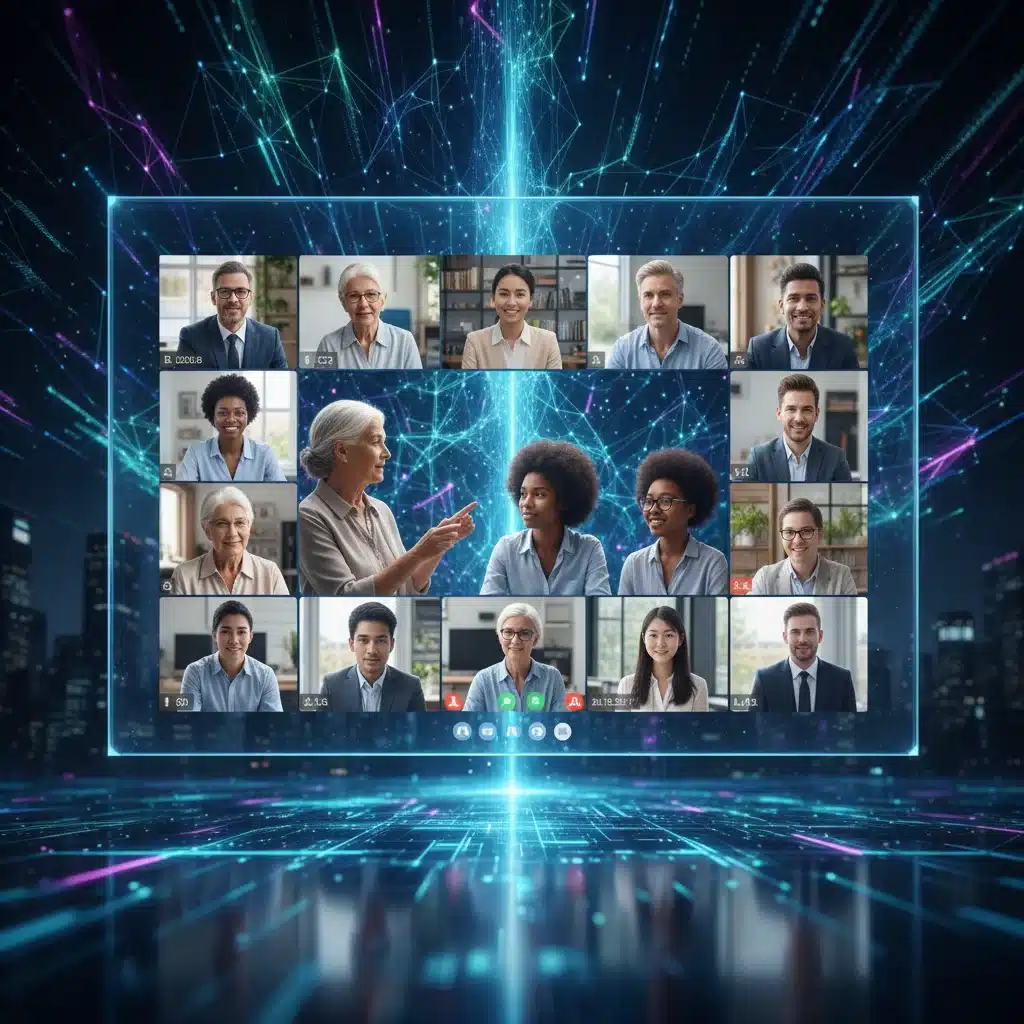
In an era defined by rapid technological advancements, shifting job markets, and an ever-increasing demand for specialized skills, the concept of mentorship has never been more critical. Welcome to 2026, where the traditional boundaries of career guidance have dissolved, giving way to a dynamic and interconnected landscape of Digital Age Mentorship. This comprehensive guide will delve into how you can effectively navigate this new terrain, find your ideal career guide, and harness the power of digital connections to propel your professional journey forward.
The world of work is no longer confined to cubicles and fixed schedules. Remote work, freelancing, and the gig economy have become mainstream, making the need for guidance and insight even more pronounced. For many, the path to success can feel isolating without a seasoned hand to show the way. This is where Digital Age Mentorship steps in, offering a flexible, accessible, and often more diverse approach to professional development.
Anúncios
Understanding the Evolution of Mentorship in the Digital Era
Historically, mentorship was often a geographically bound relationship, typically occurring within the confines of a single organization or local professional network. A senior colleague would take a junior under their wing, offering advice, sharing experiences, and opening doors. While incredibly valuable, these traditional models had inherent limitations: geographical constraints, limited access to diverse perspectives, and a reliance on serendipitous encounters.
The digital age has shattered these barriers. Today, a mentee in Mumbai can connect with a mentor in New York, a budding entrepreneur in a small town can learn from a Silicon Valley veteran, and a mid-career professional looking to pivot can gain insights from someone thriving in their desired new field, regardless of location. This global reach is a cornerstone of effective Digital Age Mentorship.
Anúncios
Moreover, the nature of mentorship has diversified. It’s no longer just about a single, long-term relationship. Many professionals now benefit from a ‘mentorship mosaic’ – a collection of mentors, each offering expertise in different areas. These can include:
- Traditional Mentors: Long-term, comprehensive guidance.
- Situational Mentors: Experts consulted for specific challenges or projects.
- Peer Mentors: Colleagues at a similar career stage offering mutual support and shared learning.
- Reverse Mentors: Younger professionals guiding senior leaders on new technologies or cultural trends.
The digital landscape facilitates all these forms, making it easier than ever to build a robust support system tailored to your unique career needs. This adaptability is crucial for navigating the fast-paced changes inherent in modern industries. Embracing Digital Age Mentorship means embracing a multi-faceted approach to learning and growth.
Why Digital Age Mentorship is Indispensable in 2026
The reasons why robust mentorship is essential are manifold, but in 2026, specific factors elevate its importance:
1. Rapid Technological Shifts and Skill Gaps
New technologies emerge at an unprecedented pace, rendering some skills obsolete while creating demand for others overnight. A mentor who is actively involved in these cutting-edge fields can provide invaluable insights into future trends, necessary skill acquisition, and career pivots. They can help you stay ahead of the curve, ensuring your skill set remains relevant and competitive. Without guidance, it’s easy to get lost in the sea of information and emerging technologies.
2. The Evolving Nature of Work
Remote work, hybrid models, and the gig economy require different strategies for networking, collaboration, and self-management. Mentors with experience in these flexible work environments can offer practical advice on maintaining productivity, building virtual relationships, and fostering a strong work-life balance. They can help you adapt to the new norms of professional engagement, which are a hallmark of Digital Age Mentorship.
3. Increased Competition and Global Talent Pool
With global connectivity comes global competition. Standing out requires more than just technical skills; it demands strategic thinking, strong personal branding, and effective navigation of complex professional landscapes. A mentor can help you identify your unique value proposition, refine your professional narrative, and strategize your career moves in a crowded market.
4. Mental Health and Well-being in a Demanding World
The pressures of modern work, coupled with constant digital connectivity, can take a toll on mental health. A mentor can serve as a sounding board, offering perspective, emotional support, and strategies for managing stress and burnout. They can share their own experiences with similar challenges, providing comfort and actionable advice. This human element remains vital, even within a digital framework of Digital Age Mentorship.
Strategies for Finding and Connecting with Mentors Online
Finding a mentor in the digital age requires a proactive and strategic approach. Gone are the days of passively waiting for someone to offer guidance. Here’s how to effectively seek out your career guides:
1. Define Your Mentorship Goals
Before you even begin searching, clarify what you hope to achieve. Are you looking for guidance on a career pivot, skill development, leadership advice, or entrepreneurial insights? Specific goals will help you identify the right type of mentor and articulate your needs clearly. This clarity is fundamental to successful Digital Age Mentorship.
2. Leverage Professional Networking Platforms
Platforms like LinkedIn are goldmines for finding potential mentors. Utilize advanced search filters to identify individuals in your desired industry, role, or with specific skill sets. Don’t just send a generic connection request. Personalize your message, explain why you’re reaching out, and mention what specifically about their profile or work resonates with you. Remember, a cold outreach needs to be compelling and respectful of their time.
3. Participate in Online Communities and Forums
Industry-specific forums, Slack channels, Discord servers, and professional groups on platforms like Facebook or Reddit can be excellent places to connect with experts. Engage in discussions, offer value where you can, and build a reputation as a thoughtful contributor. Once you’ve established some rapport, you can respectfully reach out to individuals who impress you, perhaps asking for a brief virtual coffee chat.
4. Attend Virtual Events and Webinars
Conferences, workshops, and webinars often feature industry leaders and experts. These events provide opportunities to learn from them directly and, more importantly, to network. Engage in Q&A sessions, connect with speakers on LinkedIn afterward, and reference their talk in your outreach message. This shows genuine interest and makes your request stand out.
5. Explore Formal Mentorship Programs
Many professional organizations, universities, and even companies offer structured mentorship programs. These programs often match mentees with mentors based on predefined criteria, streamlining the process and ensuring a more formal, committed relationship. Look for programs specific to your industry or demographic. This structured approach can be highly effective for initiating Digital Age Mentorship relationships.
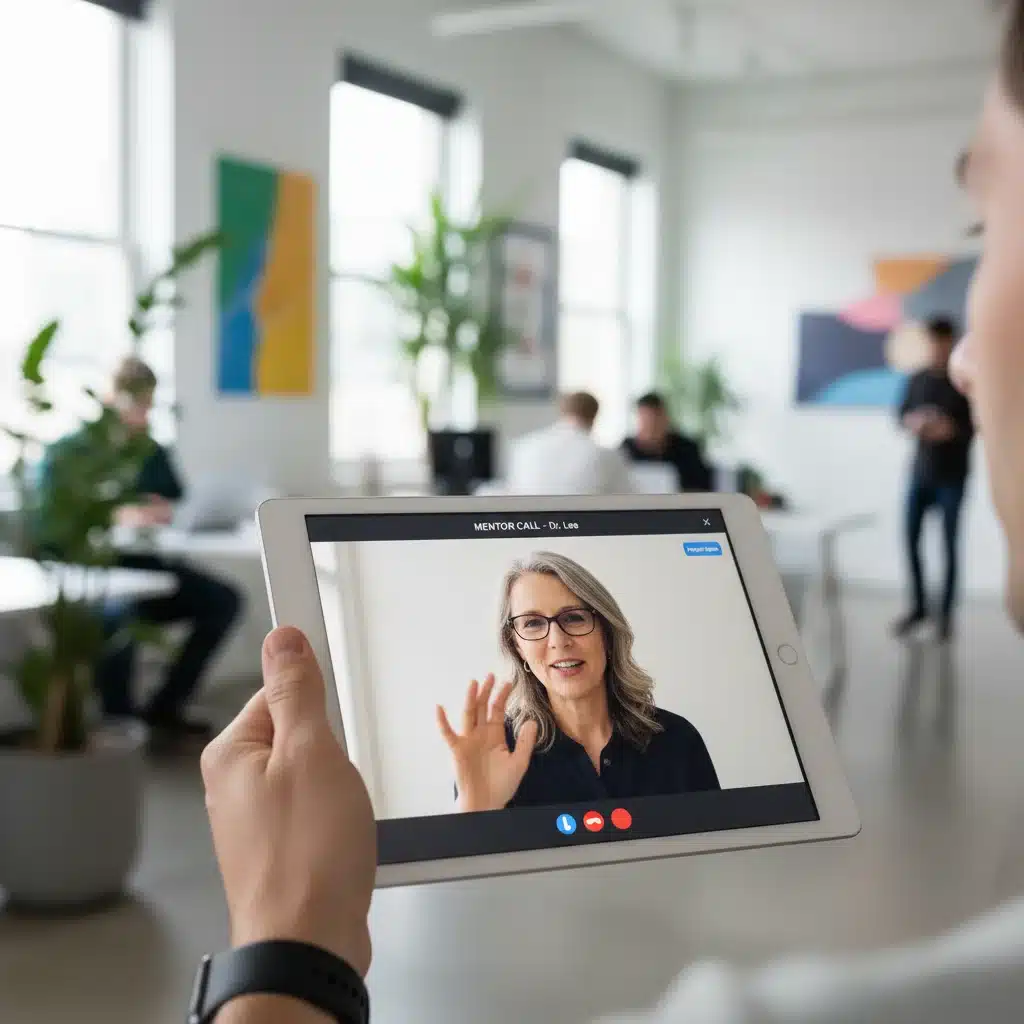
Building and Nurturing Your Digital Mentorship Relationship
Finding a mentor is just the first step. The real work lies in cultivating a meaningful and mutually beneficial relationship. Here’s how to do it effectively in the digital realm:
1. Respect Their Time
Mentors are busy individuals. Be punctual for virtual meetings, come prepared with an agenda and specific questions, and keep your communications concise. Always offer to work around their schedule. Acknowledge their generosity with their time; it’s a valuable commodity in Digital Age Mentorship.
2. Be Prepared and Proactive
Don’t expect your mentor to solve all your problems. Do your homework before each session. Research topics, formulate specific questions, and present any challenges you’re facing with context. Show initiative and a willingness to implement their advice. This demonstrates respect and makes the mentorship more productive.
3. Communicate Effectively (and Digitally)
Choose the communication channels that work best for both of you – video calls, email, or a messaging app. Be clear, professional, and consistent. Follow up on advice given and share your progress. Regular, thoughtful communication is key to maintaining momentum in a Digital Age Mentorship.
4. Offer Value in Return
Mentorship should ideally be a two-way street. While your mentor provides guidance, consider what value you can offer them. This could be sharing insights from your own perspective, helping with a small task, or simply being an attentive and engaged listener. Even if it’s just demonstrating your growth, showing tangible results of their guidance is a form of value. Your enthusiasm and progress can be incredibly rewarding for a mentor.
5. Be Open to Feedback and Constructive Criticism
The primary purpose of a mentor is to help you grow, which often involves pointing out areas for improvement. Be receptive to feedback, even if it’s uncomfortable. Ask clarifying questions and show a genuine desire to learn and adapt. This openness strengthens the bond and makes the mentorship more impactful.
6. Define Expectations and Boundaries
Discuss the frequency and duration of interactions, preferred communication methods, and specific goals for the mentorship. Clear boundaries prevent misunderstandings and ensure both parties are on the same page. This is particularly important in the often less formal structure of Digital Age Mentorship.
7. Express Gratitude
Always thank your mentor for their time, advice, and support. A simple thank-you note after each session or an occasional update on your progress can go a long way in nurturing the relationship. Acknowledging their impact shows you value their contribution to your professional development.
Leveraging Digital Tools for Enhanced Mentorship
The digital landscape offers an array of tools that can significantly enhance the mentorship experience:
- Video Conferencing (Zoom, Google Meet, Microsoft Teams): Essential for face-to-face interactions regardless of location. Allows for richer communication through visual cues.
- Project Management Tools (Trello, Asana): Can be used to track shared goals, tasks, and progress within the mentorship, especially if working on specific projects.
- Shared Document Platforms (Google Docs, Dropbox Paper): Facilitate collaborative work, feedback on documents, and sharing resources seamlessly.
- Communication Apps (Slack, WhatsApp): For quick questions, updates, and informal check-ins without scheduling a full meeting.
- Learning Platforms (Coursera, LinkedIn Learning): Mentors can recommend specific courses or resources, and mentees can share their learning progress.
- Digital Calendars (Google Calendar, Outlook Calendar): For easy scheduling and managing appointments across different time zones.
These tools, when used effectively, can make Digital Age Mentorship incredibly efficient and productive, bridging geographical gaps and fitting into busy schedules.
Potential Challenges and How to Overcome Them in Digital Mentorship
While Digital Age Mentorship offers numerous advantages, it’s not without its challenges. Awareness of these can help you navigate them successfully:
1. Lack of In-Person Connection
The absence of physical presence can sometimes make it harder to build rapport and read non-verbal cues. Solution: Maximize video calls, ensure good lighting and audio, and actively engage with open body language. Make an effort to share personal anecdotes (appropriately) to foster a deeper connection. Regular check-ins, even brief ones, can help maintain a sense of connection.
2. Communication Overload
The ease of digital communication can lead to an expectation of instant responses or an overwhelming number of messages. Solution: Establish clear communication boundaries and expectations upfront. Agree on preferred channels and response times. Remember, quality over quantity in interactions.
3. Time Zone Differences
Scheduling can be tricky when mentors and mentees are in different parts of the world. Solution: Use scheduling tools that automatically adjust for time zones. Be flexible and willing to adjust your schedule occasionally to accommodate your mentor. Early morning or late evening calls might be necessary, but ensure mutual agreement.
4. Maintaining Engagement
Without the natural occurrences of bumping into each other at the office, it can be challenging to keep the mentorship active. Solution: Be proactive in scheduling regular check-ins. Share relevant articles, insights, or updates on your progress. Show your mentor that their guidance is having a tangible impact. Keep the conversations fresh and focused on your evolving goals, making Digital Age Mentorship a dynamic process.
5. Information Overload and Misinformation
The digital world is awash with information, some of it inaccurate or irrelevant. A mentor can help you filter this noise. Solution: Rely on your mentor to guide you to credible resources and help you critically evaluate information. Don’t hesitate to ask for their perspective on industry news or trends you encounter online.
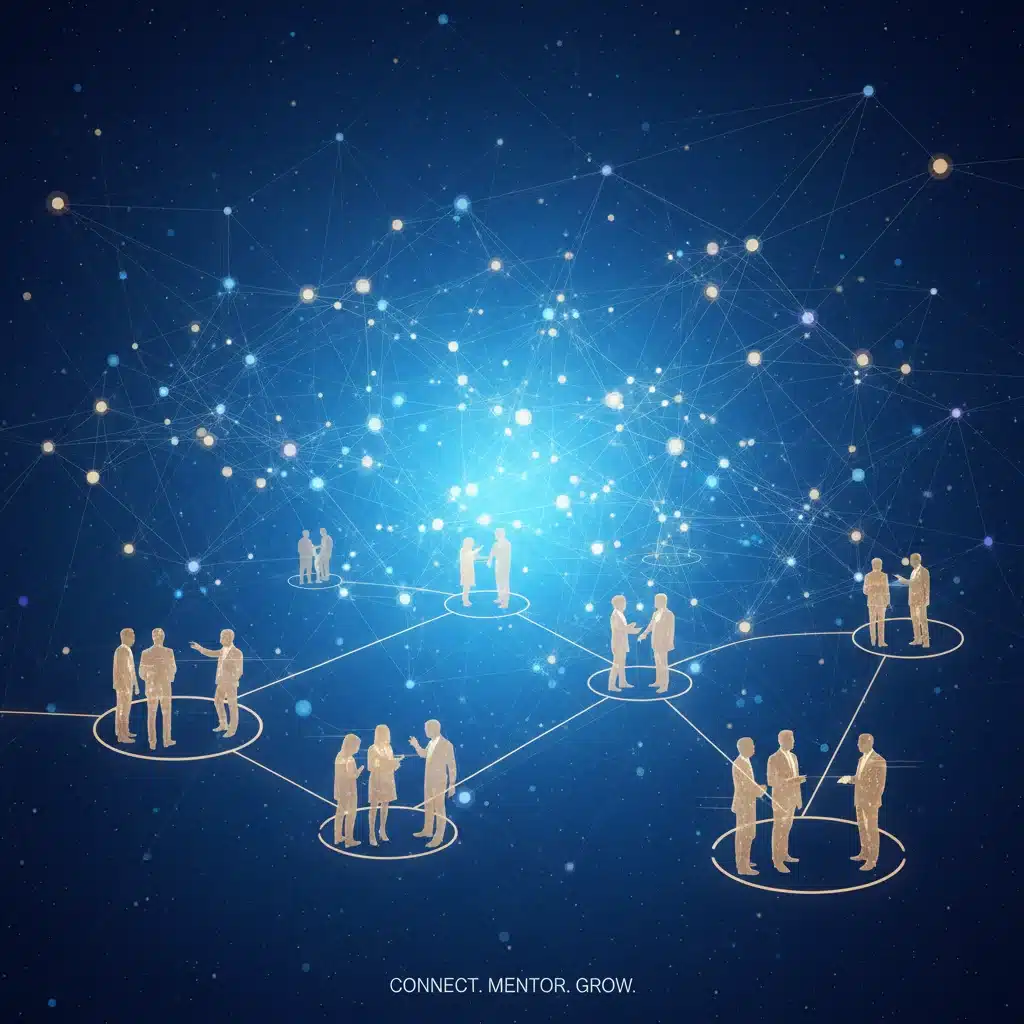
The Future of Digital Age Mentorship: What to Expect Beyond 2026
As we look ahead, Digital Age Mentorship is poised for even greater transformation. Here’s a glimpse into what the future might hold:
1. AI-Powered Matching and Personalization
Expect more sophisticated AI algorithms to match mentees with mentors based on highly granular data points, including personality traits, learning styles, career aspirations, and even predictive analytics on career paths. This will create even more tailored and effective mentorship pairings, optimizing the fit for both parties and enhancing the core of Digital Age Mentorship.
2. Virtual Reality (VR) and Augmented Reality (AR) Interactions
Immersive technologies could revolutionize virtual meetings, making them feel more like in-person interactions. Imagine conducting a mentorship session in a shared virtual office space or even a simulated environment relevant to your industry. This could bridge the ‘lack of in-person connection’ gap significantly.
3. Micro-Mentorship and On-Demand Guidance
The trend of short, focused mentorship interactions will likely intensify. Platforms might emerge that allow for ‘micro-mentorship’ sessions – brief, on-demand consultations for specific questions or immediate challenges, akin to booking a quick expert consultation. This agile approach caters to the fast-paced nature of modern careers.
4. Gamification of Mentorship
Elements of gamification could be introduced to encourage participation, track progress, and reward both mentors and mentees. This could involve badges for completing milestones, leaderboards for engagement, or interactive challenges designed to foster learning and development.
5. Blockchain for Credentialing and Trust
Blockchain technology could be used to verify mentor credentials and track the impact of mentorship relationships, building greater trust and transparency within mentorship networks. This could provide a verifiable record of expertise and successful mentorship outcomes.
Conclusion: Embrace Your Digital Age Mentorship Journey
The landscape of professional development has fundamentally changed, and Digital Age Mentorship is at the forefront of this evolution. It offers unparalleled opportunities for growth, learning, and connection, breaking down geographical and traditional barriers. By proactively seeking out mentors, thoughtfully nurturing these relationships, and leveraging the vast array of digital tools available, you can build a powerful network of guides who will illuminate your path and accelerate your career trajectory.
Don’t view the digital realm as a barrier to authentic connection, but rather as an enabler of diverse, dynamic, and incredibly impactful mentorship experiences. Whether you’re just starting your career, looking to pivot, or aiming for leadership roles, the right mentor in the digital age can be the catalyst for your success. Embrace this journey, be open to learning, and prepare to unlock your full professional potential in 2026 and beyond.
The future of work is collaborative, connected, and constantly evolving. Your ability to tap into the collective wisdom of experienced professionals through Digital Age Mentorship will be a defining factor in your adaptability and ultimate achievement. Start building your mentorship mosaic today, and watch your career flourish.