
Navigating the Labyrinth: Understanding the 2026 Changes to Federal Student Loan Programs
The landscape of higher education finance is in a constant state of flux, and for millions of Americans, federal student loans are a critical component of their financial journey. As we inch closer to 2026, significant changes are on the horizon for federal student loan programs. These modifications promise to reshape how borrowers manage their debt, impacting everything from repayment plans to interest accrual. Understanding these impending shifts is not just beneficial; it’s essential for proactive financial planning and avoiding potential pitfalls. This comprehensive guide aims to demystify the federal student loan 2026 changes, offering practical solutions and actionable advice to help you navigate this evolving environment.
Anúncios
The journey through higher education is often heralded as a pathway to opportunity, yet it frequently comes with the burden of student debt. For many, federal student loans represent the primary means of accessing this education. The U.S. Department of Education consistently reviews and revises its policies to adapt to economic realities, address borrower needs, and streamline administrative processes. The changes slated for 2026 are a culmination of these efforts, aiming to create a more sustainable and equitable system. However, for borrowers, these changes can feel overwhelming and complex. Our goal is to break down these complexities, providing clarity and empowering you with the knowledge to make informed decisions about your financial future.
The implications of these changes extend far beyond just new rules; they touch upon the financial well-being of millions of individuals and, by extension, the broader economy. Whether you are a current student contemplating future borrowing, a recent graduate just beginning repayment, or a long-time borrower managing existing debt, the federal student loan 2026 updates will likely affect you. Proactive engagement with these changes can mean the difference between financial stability and unexpected hardship. This article will delve into the specifics of what’s changing, why it’s changing, and most importantly, how you can prepare.
Anúncios
The Genesis of Change: Why Are Federal Student Loan Programs Evolving?
Before we dive into the specifics of the federal student loan 2026 adjustments, it’s crucial to understand the underlying motivations behind these reforms. Federal student loan programs have been subject to continuous evaluation, often in response to economic shifts, rising tuition costs, and the increasing burden of student debt on graduates. The current wave of changes is driven by several key factors:
- Addressing Affordability and Access: A primary goal is to ensure that higher education remains accessible and affordable. This often involves recalibrating repayment plans to better suit borrowers’ income levels, especially those in lower-paying careers or facing financial hardship.
- Simplifying the System: The existing federal student loan system can be notoriously complex, with multiple repayment plans and often confusing eligibility criteria. Simplification efforts aim to make the process more transparent and easier for borrowers to navigate.
- Reducing Default Rates: High default rates can have significant negative consequences for both borrowers and the federal government. New policies often seek to provide more flexible repayment options that can help prevent defaults, keeping borrowers on track.
- Promoting Economic Stability: Student loan debt can be a drag on economic growth, impacting major life decisions like homeownership and starting a family. Policies that ease this burden are seen as beneficial for broader economic stability.
- Responding to Public Feedback and Policy Debates: Public discourse, advocacy groups, and legislative debates continually shape federal policy. The 2026 changes reflect ongoing discussions about the role of government in higher education finance.
Understanding these drivers provides context for the upcoming changes, helping borrowers to see the bigger picture rather than just a set of new rules. It highlights the government’s intention to create a more responsive and sustainable system, even if the immediate impact on individual borrowers can feel disruptive.
Key Areas of Impact: What to Expect from the 2026 Federal Student Loan Changes
While the precise details are still being refined and may be subject to further legislative adjustments, several key areas are anticipated to see significant modifications by 2026. These changes will likely affect how new loans are issued, how existing loans are repaid, and the overall administrative framework. Staying informed about these potential shifts is paramount for anyone with federal student loan obligations.
Revised Income-Driven Repayment (IDR) Plans
One of the most impactful areas of change is expected to be in Income-Driven Repayment (IDR) plans. These plans are designed to make loan payments affordable by capping them at a percentage of the borrower’s discretionary income. While IDR plans have been a lifeline for many, they have also been criticized for their complexity and, in some cases, for not providing sufficient relief. The federal student loan 2026 reforms are likely to introduce a streamlined or revised IDR framework.
Potential changes could include:
- A New Definition of Discretionary Income: The calculation of discretionary income might be adjusted, potentially increasing the amount of income protected from repayment calculations, thus lowering monthly payments for many borrowers.
- Lower Payment Percentages: Some proposals suggest reducing the percentage of discretionary income borrowers are required to pay, making monthly payments even more manageable.
- Faster Forgiveness Timelines: While forgiveness after 20 or 25 years of payments is a feature of current IDR plans, there’s a possibility of shorter forgiveness timelines for certain borrowers, particularly those with smaller loan balances or specific income levels.
- Simpler Enrollment and Recertification: Efforts to simplify the application and annual recertification process are highly anticipated, reducing administrative burdens and preventing lapses in IDR coverage.
These revisions to IDR plans could significantly alter the financial landscape for millions of borrowers, offering greater flexibility and potentially reducing the long-term burden of student debt. It will be crucial for borrowers to understand how these new IDR structures will apply to their specific circumstances.
Changes to Interest Accrual and Capitalization
The way interest accrues and capitalizes (adds unpaid interest to the principal balance) has long been a point of contention for borrowers, as it can lead to ballooning loan balances even when making regular payments. The federal student loan 2026 framework may include provisions to mitigate this issue.
Considerations might include:
- Limiting Interest Capitalization: Policies could be enacted to reduce the instances where unpaid interest is added to the principal balance, thereby preventing loan balances from growing exponentially.
- Subsidized Interest Benefits: Expansion of interest subsidies, particularly for borrowers on IDR plans, could mean that the government covers any unpaid interest, preventing balances from increasing as long as payments are being made.
- New Interest Rate Structures: While less likely to be a dramatic overhaul, there could be adjustments to how interest rates are set or applied, especially for new loans issued after 2026.
Addressing interest accrual and capitalization is a critical step towards making student loans more manageable and ensuring that borrowers are not penalized for making consistent, albeit sometimes smaller, payments.
Streamlined Loan Forgiveness Programs
Beyond IDR forgiveness, other loan forgiveness programs, such as Public Service Loan Forgiveness (PSLF), are also under scrutiny. While PSLF has undergone recent temporary waivers to address past issues, the 2026 changes could solidify or expand these improvements.
- Simplified PSLF Eligibility: Efforts to clarify and simplify the eligibility requirements for PSLF are expected, making it easier for public service workers to qualify for forgiveness.
- Expanded Qualifying Payments: The definition of what constitutes a ‘qualifying payment’ might be broadened, allowing more types of payments or periods of deferment/forbearance to count towards forgiveness.
- Automatic Enrollment or Tracking: The possibility of more automated tracking of qualifying payments could reduce the administrative burden on borrowers and ensure they receive proper credit for their service.
These enhancements to forgiveness programs are designed to better support individuals pursuing careers in public service, making the promise of loan forgiveness more attainable.

Proactive Strategies for Borrowers: Preparing for the 2026 Changes
Given the potential for significant shifts, proactive preparation is key for any federal student loan borrower. Waiting until the last minute could lead to missed opportunities or unexpected financial strain. Here are practical steps you can take now to prepare for the federal student loan 2026 updates.
1. Stay Informed and Monitor Official Sources
The most crucial step is to stay continuously informed. Reliable information will come directly from the U.S. Department of Education, your loan servicer, and official government websites. Be wary of unofficial sources that may spread misinformation.
- Regularly Check StudentAid.gov: This is the official hub for all federal student aid information. Bookmark it and visit frequently for updates.
- Sign Up for Loan Servicer Communications: Ensure your contact information with your loan servicer is up-to-date. They will be your primary point of contact for personalized updates regarding your loans.
- Follow Reputable News Outlets: Major financial news outlets and higher education policy organizations often provide timely and accurate analyses of legislative changes.
2. Understand Your Current Loan Portfolio
You can’t effectively plan for the future without a clear understanding of your present situation. Take the time to review your current federal student loans.
- Access Your Loan Details: Log in to StudentAid.gov to view all your federal loan information, including loan types (Direct Subsidized, Unsubsidized, PLUS, FFEL, Perkins), interest rates, balances, and current repayment status.
- Identify Your Loan Servicer(s): Know who services each of your loans. This information is also available on StudentAid.gov.
- Review Your Repayment History: Understand which repayment plan you are currently on and your payment history, especially if you are pursuing forgiveness programs like PSLF or IDR.
3. Evaluate Your Current Repayment Plan
With potential changes to IDR plans, it’s a good time to assess if your current repayment strategy is still the best fit for your financial goals.
- Compare IDR Options: Even before 2026, there might be existing IDR plans that better suit your current income and family size. Use the Loan Simulator tool on StudentAid.gov.
- Consider Consolidation: For some borrowers, particularly those with older FFEL Program loans or Perkins Loans, consolidating into a Direct Consolidation Loan might be beneficial to gain access to certain IDR plans or PSLF. Be aware of the implications of consolidation, such as interest capitalization and a new payment count for forgiveness.
- Assess Your Budget: Get a clear picture of your income and expenses. This will help you determine how much you can realistically afford to pay towards your loans, especially if new payment calculations are introduced.
4. Explore All Available Resources and Tools
The Department of Education provides numerous resources to help borrowers. Make sure you are utilizing them.
- Loan Simulator: This tool on StudentAid.gov allows you to compare different repayment plans and estimate your monthly payments and total costs under various scenarios.
- Financial Aid Advisors: If you are still in school, speak with your financial aid office. They can provide guidance on current and upcoming policies.
- Non-Profit Credit Counselors: Reputable non-profit credit counseling agencies can offer personalized advice on debt management, including student loans. Be sure to choose an agency accredited by organizations like the National Foundation for Credit Counseling (NFCC).
5. Plan for Potential Financial Adjustments
The federal student loan 2026 changes could mean your monthly payments go up or down. Prepare for either scenario.
- Build an Emergency Fund: A robust emergency fund can provide a buffer if your payments increase unexpectedly or if you face temporary financial hardship.
- Adjust Your Budget: If you anticipate lower payments, consider directing the extra funds towards other financial goals, such as saving for retirement or paying down other high-interest debt. If payments are expected to rise, start identifying areas where you can cut expenses now.
- Consider Extra Payments (If Feasible): If you are financially able, making extra payments now can reduce your principal balance, potentially lowering your total interest paid over the life of the loan, regardless of future policy changes.
The Broader Implications of Federal Student Loan 2026 Changes
The impact of these changes extends beyond individual borrowers. They have broader implications for the higher education system, the economy, and future generations of students.
- Impact on Higher Education Institutions: Changes in repayment and forgiveness policies can indirectly affect enrollment patterns, tuition strategies, and how colleges advise their students on financial aid.
- Economic Stimulus or Strain: Depending on the specifics, the changes could either free up disposable income for millions of Americans, potentially stimulating economic growth, or, if not managed well, could create new financial strains.
- Future Borrowing Behavior: New policies could influence how future students view and approach borrowing for higher education, potentially leading to more informed decisions about loan amounts and repayment expectations.
- Equity and Access: A core aim of many reforms is to improve equity and access for underserved populations. The success of the 2026 changes will be measured, in part, by how well they achieve these goals.
These broader implications underscore the significance of the upcoming changes and why it is essential for policymakers, educators, and the public to engage with these discussions thoughtfully.
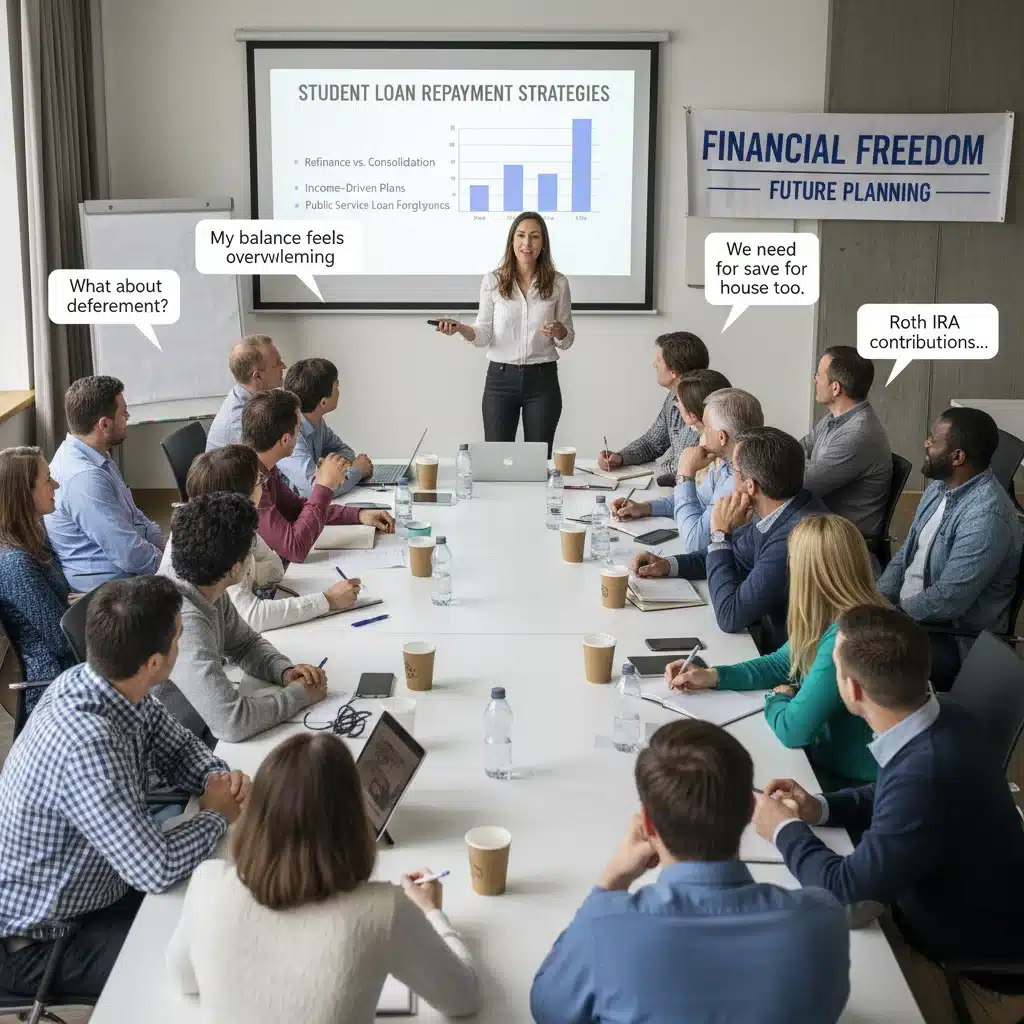
Addressing Common Questions and Concerns
As with any significant policy shift, the federal student loan 2026 changes will undoubtedly raise many questions and concerns among borrowers. Here are some anticipated frequently asked questions:
Will My Existing Loans Be Affected?
Generally, major policy changes to federal student loan programs are designed to apply to all federal loans, whether new or existing. However, the specific implementation details can vary. Some changes might apply immediately to all loans, while others might be phased in or apply differently based on the loan’s disbursement date. It is critical to consult official guidance from the Department of Education as it becomes available.
What if I’m Already on an IDR Plan?
If you are currently enrolled in an Income-Driven Repayment (IDR) plan, you will likely be transitioned to the new or revised IDR structure. Your loan servicer will provide specific instructions on how this transition will occur, what actions you may need to take, and how your payments might change. It is advisable to proactively reach out to your servicer if you have concerns.
Should I Consolidate My Loans Now?
The decision to consolidate federal student loans is complex and depends on your individual circumstances. While consolidation can offer benefits like a single monthly payment and access to certain repayment plans, it also has potential drawbacks, such as interest capitalization and resetting the clock on forgiveness programs. Before the federal student loan 2026 changes take full effect, carefully weigh the pros and cons, and consider speaking with a financial advisor or your loan servicer.
How Can I Dispute Errors on My Loan Account?
With any system-wide changes, there is a possibility of administrative errors. If you believe there’s an error on your loan account, such as incorrect payment counts or interest calculations, you should:
- Contact your loan servicer first to try and resolve the issue.
- If unresolved, file a complaint with the Federal Student Aid Ombudsman Group.
- Consider filing a complaint with the Consumer Financial Protection Bureau (CFPB).
Maintaining thorough records of all communications and payments is essential for resolving disputes.
The Road Ahead: Navigating Your Student Loan Future
The upcoming federal student loan 2026 changes represent a significant evolution in how student debt is managed in the United States. While the specifics are still being finalized, the overarching goal appears to be a more borrower-friendly and sustainable system. For individuals grappling with student loan debt, these changes offer both challenges and opportunities.
The key to successfully navigating this evolving landscape lies in proactive engagement and informed decision-making. By staying informed through official channels, understanding your current loan portfolio, evaluating your repayment options, and preparing for potential financial adjustments, you can position yourself to leverage the benefits of these reforms and mitigate any negative impacts. Remember, you are not alone in this journey. Utilize the resources available, seek advice when needed, and advocate for your financial well-being. The future of federal student loans is changing, and with the right approach, you can ensure a more secure financial future for yourself.
This comprehensive guide has provided a framework for understanding and preparing for the federal student loan 2026 changes. As more definitive information becomes available, it will be crucial to revisit these strategies and adapt your plans accordingly. Your financial future is worth the effort of staying informed and taking decisive action.