Infrastructure Investment and Jobs Act 2026: State-Level Project Impact
Anúncios
Understanding the Transformative Power of the Infrastructure Investment and Jobs Act on State-Level Projects in 2026
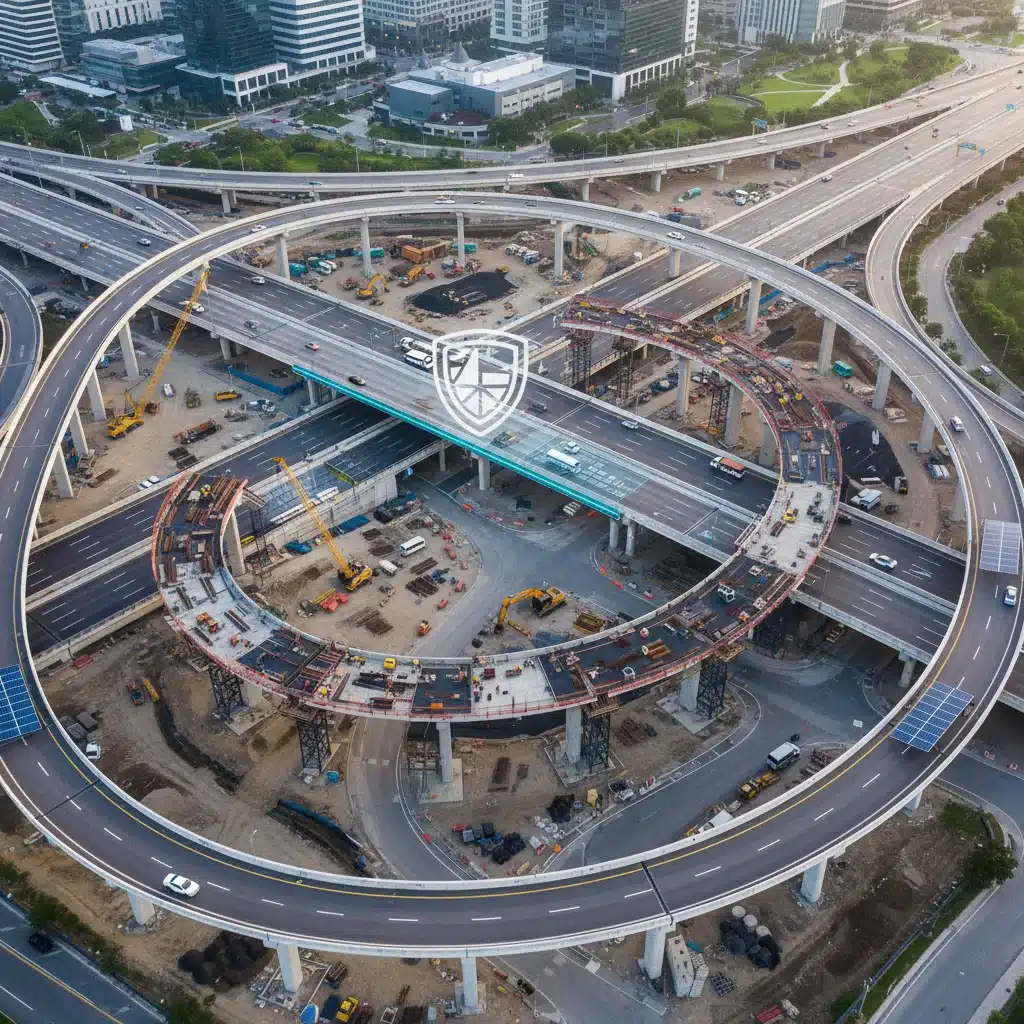
The landscape of American infrastructure is undergoing a monumental transformation, largely driven by the Infrastructure Investment and Jobs Act (IIJA). As we look towards 2026, the full implications of this historic legislation are becoming clearer, particularly concerning its impact on state-level projects. This isn’t merely about patching potholes; it’s about a comprehensive overhaul and modernization of the nation’s foundational systems, promising economic growth, enhanced connectivity, and a more resilient future. The Infrastructure Jobs Act 2026 is set to redefine how states plan, fund, and execute critical development initiatives.
Enacted in November 2021, the IIJA represents the largest long-term investment in American infrastructure in generations, committing billions of dollars across various sectors. From upgrading aging roads and bridges to expanding broadband internet access, improving public transit, and modernizing our energy grids, the Act’s reach is extensive. For state governments, this influx of federal funding presents both unprecedented opportunities and significant challenges in terms of planning, project management, and workforce development. Understanding the nuances of this legislation is crucial for stakeholders at all levels, from state agencies to local communities and private contractors.
Anúncios
The Genesis and Scope of the Infrastructure Investment and Jobs Act
To fully grasp the impact of the Infrastructure Jobs Act 2026, it’s essential to revisit its origins and understand its broad scope. The IIJA was born out of a bipartisan recognition of America’s deteriorating infrastructure and the urgent need for substantial investment. Decades of underfunding had left many critical systems in disrepair, hindering economic competitiveness and public safety. The Act addresses these deficiencies head-on, allocating approximately $1.2 trillion, with $550 billion in new federal spending, over five years.
The legislation is structured to tackle a wide array of infrastructure needs, categorized into several key areas:
Anúncios
- Transportation: This includes significant investments in roads, bridges, public transit, passenger and freight rail, ports, and airports. The goal is to improve safety, reduce congestion, and enhance efficiency across all modes of transport.
- Water Infrastructure: Funding is directed towards replacing lead pipes, improving water treatment facilities, and investing in clean drinking water projects, addressing critical public health and environmental concerns.
- Broadband Internet: A major focus is on expanding access to high-speed internet, especially in rural and underserved communities, bridging the digital divide and fostering economic opportunity.
- Power and Grid: Investments aim to modernize the nation’s electric grid, promote clean energy technologies, and enhance grid resilience against extreme weather events and cyberattacks.
- Resilience: Funding is allocated to protect infrastructure from the impacts of climate change, including investments in flood mitigation, wildfire management, and cybersecurity.
Each of these areas receives substantial funding, much of which flows directly to states through established federal aid programs or new competitive grant opportunities. This decentralized approach empowers states to address their unique infrastructure priorities while aligning with national goals. The framework of the Infrastructure Jobs Act 2026 ensures that funds are distributed strategically to maximize impact.
Funding Mechanisms and State Allocation Strategies
The success of the Infrastructure Jobs Act 2026 hinges on its intricate funding mechanisms and how states effectively leverage these resources. The Act primarily utilizes two main channels for distributing funds:
- Formula-Based Programs: A significant portion of the funding is allocated to states through existing federal programs, using established formulas. This provides a predictable stream of revenue for ongoing maintenance, repair, and upgrade projects. For example, the Federal Highway Administration (FHWA) and the Federal Transit Administration (FTA) receive substantial increases in their formula funds, which are then distributed to states based on factors like population, road mileage, and transit ridership.
- Competitive Grant Programs: The IIJA also establishes numerous new competitive grant programs. These grants allow states, localities, and other entities to apply for funding for specific projects that align with the Act’s priorities. These programs often encourage innovative solutions, regional collaboration, and projects with significant national or regional benefits. Examples include grants for resilient infrastructure, electric vehicle charging networks, and port infrastructure development.
States are developing sophisticated strategies to maximize their share of IIJA funding. This often involves:
- Strategic Planning: Conducting comprehensive needs assessments to identify critical infrastructure gaps and prioritize projects that align with federal funding criteria.
- Capacity Building: Investing in personnel and resources to effectively navigate the complex application processes for competitive grants and manage large-scale projects.
- Interagency Collaboration: Fostering cooperation between state agencies (e.g., departments of transportation, environmental protection, energy) to develop integrated projects that address multiple infrastructure needs.
- Public-Private Partnerships (PPPs): Exploring collaborations with private sector entities to leverage additional capital, expertise, and innovation, especially for complex or large-scale projects.
By 2026, many states will have several years of experience in implementing IIJA-funded projects, leading to refined strategies and more efficient resource utilization. The ability to adapt and innovate will be a key determinant of success under the Infrastructure Jobs Act 2026.
Key Areas of Impact for State-Level Projects in 2026
The impact of the Infrastructure Jobs Act 2026 will be felt across virtually every sector of state-level operations. Here’s a deeper dive into some of the most significant areas:
Transportation Modernization
Roads and bridges are receiving the largest share of IIJA funding. States are utilizing these funds to repair crumbling bridges, reconstruct aging highways, and invest in intelligent transportation systems. This not only improves safety and reduces travel times but also supports commercial logistics, which is vital for economic competitiveness. For example, states are upgrading critical freight corridors, making it easier and faster for goods to move from ports to markets. The focus extends beyond just asphalt and concrete; it includes investments in pedestrian and cyclist infrastructure, promoting multimodal transportation options.
Public Transit Expansion and Electrification
The Act provides substantial funding for public transit, allowing states and metropolitan planning organizations to modernize bus fleets, expand rail lines, and improve accessibility. A significant push is towards electrifying public transit, with funding available for electric buses and charging infrastructure. This aligns with environmental goals, reduces operational costs, and provides cleaner air for urban communities. By 2026, many cities will have visible improvements in their transit systems, offering more reliable and sustainable transportation choices.
Bridging the Digital Divide with Broadband
Access to reliable, high-speed internet is no longer a luxury but a necessity. The IIJA dedicates billions to expanding broadband infrastructure, particularly in rural and underserved areas. States are implementing ambitious plans to lay fiber optic cables, deploy wireless technologies, and ensure affordable internet access for all residents. This has profound implications for education, healthcare (telemedicine), economic development (remote work and e-commerce), and civic engagement. The goal is to eliminate digital disparities, and by 2026, significant progress is expected in connecting previously isolated communities.
Water Infrastructure Resilience and Health
Investments in water infrastructure are critical for public health and environmental protection. States are receiving funds to replace lead service lines, upgrade wastewater treatment plants, and improve stormwater management systems. These projects not only ensure access to clean drinking water but also protect aquatic ecosystems and reduce flood risks. Many communities, particularly those with older infrastructure, will see a dramatic improvement in water quality and service reliability. This focus on water infrastructure under the Infrastructure Jobs Act 2026 is a long-term commitment to community well-being.
Clean Energy and Grid Modernization
The IIJA supports the transition to a clean energy economy by investing in grid modernization, renewable energy integration, and electric vehicle (EV) charging infrastructure. States are developing comprehensive EV charging networks along major corridors and in urban centers, making electric vehicle ownership more feasible for a wider population. Additionally, funds are allocated to enhance grid resilience, protecting against power outages from severe weather and cyberattacks, and integrating more renewable energy sources like solar and wind power. This dual focus on sustainability and reliability is a hallmark of the Infrastructure Jobs Act 2026.
Challenges and Opportunities for State Implementation
While the IIJA offers immense opportunities, states also face significant challenges in implementing these ambitious projects. Navigating these hurdles will be crucial for the successful realization of the Act’s goals by 2026 and beyond.
Workforce Development and Labor Shortages
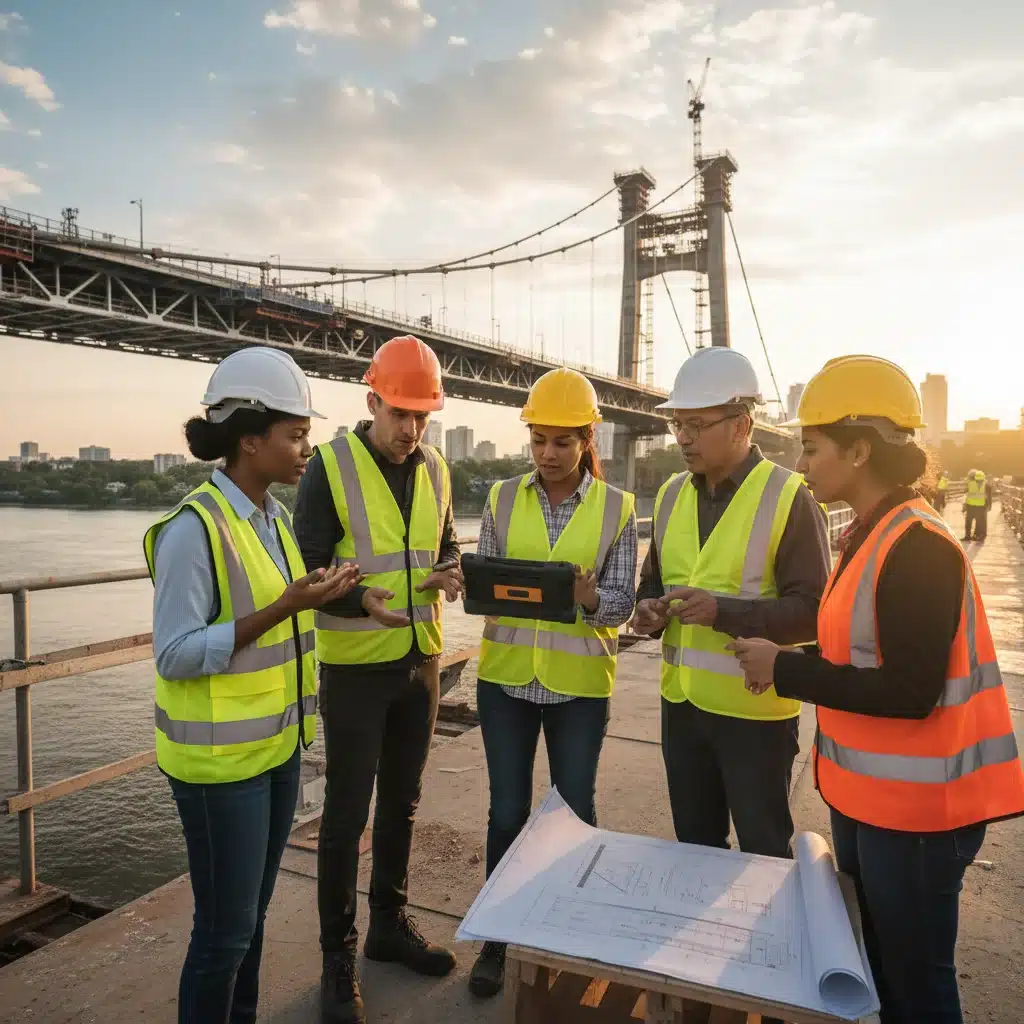
One of the most pressing challenges is the availability of a skilled workforce. The infrastructure sector, like many others, faces labor shortages. States must invest in training programs, apprenticeships, and vocational education to develop the necessary talent pool for construction, engineering, and maintenance roles. This includes attracting diverse candidates and ensuring equitable access to these high-paying jobs. The Infrastructure Jobs Act 2026 implicitly demands a robust workforce development strategy.
Supply Chain Disruptions and Inflation
Global supply chain disruptions and inflationary pressures can impact project timelines and budgets. Rising costs for materials like steel, concrete, and asphalt, coupled with delays in receiving essential components, can complicate project delivery. States need to build flexibility into their planning and procurement processes and explore innovative sourcing strategies to mitigate these risks.
Permitting and Environmental Review
Large-scale infrastructure projects often involve complex permitting and environmental review processes. While necessary to ensure environmental protection, these processes can be time-consuming. States are working to streamline these procedures where possible, without compromising environmental standards, to accelerate project delivery. Balancing efficiency with regulatory compliance is a delicate act.
Equity and Community Engagement
Ensuring that the benefits of infrastructure investments are equitably distributed across all communities, especially those historically underserved, is a key priority. States must engage actively with local communities, listen to their needs, and ensure that projects address local priorities and do not exacerbate existing inequalities. This involves transparent planning and decision-making processes. The Infrastructure Jobs Act 2026 emphasizes inclusive growth.
Long-Term Maintenance and Sustainability
Beyond construction, states must consider the long-term maintenance and operational costs of new and upgraded infrastructure. The IIJA provides initial funding, but sustainable funding mechanisms are needed to ensure that these assets remain in good condition for decades to come. States are exploring various funding models, including user fees, dedicated taxes, and innovative financing tools, to ensure the longevity of these investments.

Success Stories and Emerging Best Practices by 2026
As we approach 2026, several states are already showcasing remarkable progress and emerging best practices in leveraging the Infrastructure Jobs Act 2026. These early successes provide valuable lessons for others:
- Integrated Planning in California: California has adopted a highly integrated approach, combining IIJA funds with state and local resources to tackle complex challenges like seismic retrofitting of bridges and expanding high-speed rail. Their focus on multimodal transportation and climate resilience serves as a model.
- Broadband Expansion in West Virginia: West Virginia, a state with significant rural areas, has rapidly deployed broadband infrastructure, utilizing IIJA funds to connect thousands of previously unserved households. Their success stems from strong state-level coordination and partnerships with local internet service providers.
- Water Infrastructure Upgrades in Michigan: Building on previous efforts, Michigan is aggressively using IIJA funding to accelerate the replacement of lead pipes across the state, ensuring safer drinking water for its residents. Their proactive communication with communities has been a key factor in public acceptance and project speed.
- EV Charging Networks in Colorado: Colorado is strategically building out an extensive electric vehicle charging network, leveraging IIJA funds to install fast chargers along major highways and in urban centers. This initiative is supported by state incentives and public awareness campaigns, facilitating the transition to electric vehicles.
These examples highlight the importance of strong leadership, strategic planning, cross-sector collaboration, and effective community engagement in maximizing the impact of the Infrastructure Jobs Act 2026. Learning from these early adopters will be critical for states still in the earlier stages of implementation.
The Long-Term Economic and Social Benefits
The Infrastructure Jobs Act 2026 is not just about building physical structures; it’s about investing in the future economic prosperity and social well-being of the nation. The long-term benefits are multifaceted:
- Job Creation: The Act is estimated to create millions of good-paying jobs in construction, manufacturing, and related industries, stimulating local economies and providing stable employment opportunities.
- Economic Competitiveness: Modernized infrastructure reduces transportation costs, improves supply chain efficiency, and attracts new businesses, enhancing the overall economic competitiveness of states and the nation.
- Improved Public Safety: Safer roads, bridges, and water systems directly translate to fewer accidents, better public health outcomes, and increased community resilience against natural disasters.
- Environmental Sustainability: Investments in clean energy, public transit, and climate resilience contribute to a more sustainable future, reducing carbon emissions and protecting natural resources.
- Enhanced Quality of Life: Better infrastructure leads to improved access to essential services, reduced commute times, cleaner environments, and greater recreational opportunities, significantly enhancing the quality of life for all citizens.
By 2026, many of these benefits will begin to materialize, providing tangible evidence of the transformative power of the IIJA. The sustained investment promised by the Infrastructure Jobs Act 2026 will continue to yield dividends for decades to come, shaping a more prosperous and resilient America.
Conclusion: A New Era for State Infrastructure Development
The Infrastructure Investment and Jobs Act represents a pivotal moment for state-level infrastructure development. As we navigate through 2026, the comprehensive and strategic deployment of these federal funds will continue to reshape the physical and economic landscape of states across the nation. From robust transportation networks to universal broadband access and resilient water systems, the IIJA is laying the groundwork for a more connected, sustainable, and equitable future.
While challenges such as workforce shortages, supply chain issues, and complex permitting processes persist, states are demonstrating remarkable adaptability and innovation in overcoming these hurdles. The emerging best practices in project planning, community engagement, and resource allocation are setting a new standard for infrastructure development. The Infrastructure Jobs Act 2026 is more than just a legislative package; it is a catalyst for enduring progress, empowering states to build the infrastructure that will support economic growth, enhance public safety, and improve the quality of life for all Americans for generations to come. The commitment to rebuilding and modernizing our nation’s infrastructure is a testament to a shared vision of a stronger, more resilient future.
Autor