
The Impact of New Climate Legislation on U.S. Industries: What Businesses Need to Know for 2026
The landscape of U.S. business is continually shaped by policy, and no area is seeing more transformative change than environmental regulation. As we approach 2026, the anticipation of new U.S. climate legislation is creating both challenges and opportunities for industries across the nation. Understanding these impending changes is not just about compliance; it’s about strategic foresight, competitive advantage, and long-term sustainability. This comprehensive guide aims to equip business leaders with the knowledge necessary to navigate the complex world of US Climate Legislation 2026.
Anúncios
The push for more robust climate action stems from a global imperative to address climate change, coupled with domestic political will to foster a green economy. While the specifics of the legislation are still taking shape, the overarching goals are clear: reduce greenhouse gas emissions, promote renewable energy, enhance energy efficiency, and build resilience against climate impacts. For businesses, this translates into a need to re-evaluate operations, supply chains, product development, and investment strategies. Ignoring these signals could lead to significant financial penalties, reputational damage, and a loss of market share.
This article will delve into the anticipated key pillars of the US Climate Legislation 2026, explore the specific impacts on various sectors, and provide actionable strategies for businesses to not only comply but thrive in this evolving regulatory environment. From manufacturing to agriculture, energy to finance, no industry will be untouched by the profound shifts that these new laws will bring.
Understanding the Core Tenets of Anticipated US Climate Legislation 2026
While the final text of the US Climate Legislation 2026 is yet to be fully codified, several core tenets are expected to form its foundation, building upon existing frameworks and introducing new, more stringent requirements. These are likely to include:
Anúncios
- Enhanced Emissions Reduction Targets: Expect more aggressive national targets for reducing greenhouse gas emissions across all sectors, potentially including carbon pricing mechanisms, cap-and-trade systems, or direct regulatory limits on emissions from industrial sources. Businesses will need to measure, report, and actively reduce their carbon footprint.
- Renewable Energy Mandates and Incentives: The legislation will likely accelerate the transition to renewable energy sources. This could involve federal mandates for utilities to increase their renewable energy portfolios, expanded tax credits for solar, wind, and other clean energy installations, and incentives for businesses to adopt renewable energy for their operations.
- Energy Efficiency Standards: Stricter energy efficiency standards for buildings, appliances, and industrial processes are anticipated. This will push manufacturers to innovate and businesses to invest in energy-saving technologies and practices, leading to both environmental benefits and operational cost savings.
- Supply Chain Decarbonization: The scope of climate regulation is expanding beyond direct emissions to encompass entire supply chains. Businesses will be increasingly responsible for the environmental impact of their suppliers and distributors, necessitating greater transparency and collaboration to reduce emissions throughout the value chain.
- Climate Risk Disclosure: Financial regulators are increasingly focusing on climate-related financial risks. The US Climate Legislation 2026 may mandate more comprehensive climate risk disclosures for publicly traded companies, requiring them to assess and report on how climate change impacts their operations, assets, and financial performance.
- Investment in Green Technologies and Infrastructure: Significant federal investment is expected in research, development, and deployment of green technologies, as well as in resilient infrastructure projects. This presents opportunities for businesses involved in these sectors and for those looking to adopt innovative solutions.
These pillars collectively aim to steer the U.S. economy towards a more sustainable and low-carbon future. For businesses, early engagement and proactive planning will be crucial for successful adaptation.
Sector-Specific Impacts of the US Climate Legislation 2026
The breadth of the US Climate Legislation 2026 means that its impact will be felt differently across various industries. Here’s a look at some key sectors and the specific challenges and opportunities they might face:
Manufacturing and Heavy Industry
This sector, often a significant emitter, will likely face stringent emissions reduction targets. Manufacturers will need to invest in cleaner production processes, carbon capture technologies, and energy-efficient machinery. Opportunities lie in developing and supplying green manufacturing solutions, materials, and technologies. The legislation may also incentivize the adoption of circular economy principles, reducing waste and promoting resource efficiency.
Compliance will necessitate detailed emissions tracking and reporting, potentially leading to increased administrative burdens. However, early adopters of sustainable practices could gain a competitive edge by attracting environmentally conscious consumers and investors. Furthermore, federal grants and loan programs might become available to assist manufacturers in transitioning to more sustainable operations.
Energy Sector (Fossil Fuels and Renewables)
The energy sector will experience a profound transformation. Fossil fuel industries will likely face increased regulatory pressure, potentially including higher taxes on carbon emissions or stricter operational permits. This will accelerate the decline of coal and oil-fired power generation, pushing for greater investment in carbon capture and storage (CCS) technologies if they are to remain viable.
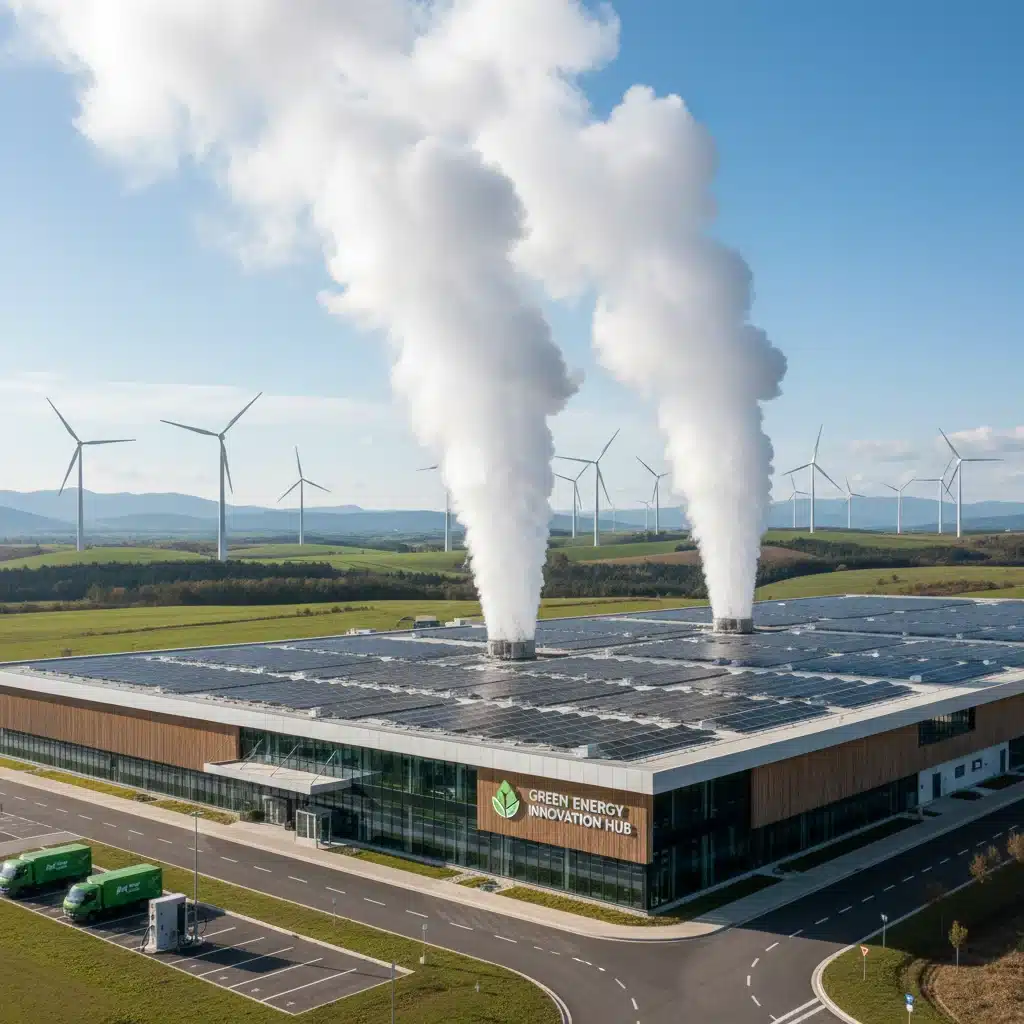
Conversely, the renewable energy sector is poised for unprecedented growth. Expanded tax credits, direct subsidies, and favorable regulatory frameworks will drive massive investment in solar, wind, geothermal, and hydropower. Businesses in renewable energy generation, storage, and grid modernization will see significant expansion. The US Climate Legislation 2026 will likely provide a stable and predictable policy environment, attracting long-term capital to this sector.
Transportation and Logistics
Reducing emissions from transportation is a critical component of climate action. The US Climate Legislation 2026 is expected to push for accelerated adoption of electric vehicles (EVs) through expanded consumer incentives, charging infrastructure development, and stricter emissions standards for internal combustion engines. This will impact automotive manufacturers, logistics companies, and urban planners.
Logistics companies will need to consider electrifying their fleets, optimizing routes to reduce fuel consumption, and exploring alternative fuels like hydrogen. Investment in public transportation and active mobility infrastructure is also likely to increase, creating opportunities for construction and technology companies. The aviation and shipping industries, while harder to decarbonize, will also face pressure to adopt cleaner technologies and operational efficiencies.
Agriculture and Land Use
Agriculture plays a dual role in climate change, both as an emitter and a potential solution. The US Climate Legislation 2026 may introduce incentives for sustainable farming practices, such as reduced fertilizer use, precision agriculture, and regenerative practices that sequester carbon in soil. Farmers could benefit from new revenue streams through carbon credit markets or direct payments for ecosystem services.
However, there may also be regulations targeting methane emissions from livestock or nitrous oxide from agricultural soils. Businesses in the agricultural supply chain, from seed producers to food processors, will need to adapt to these changes, potentially by sourcing from farms employing sustainable practices and investing in more efficient processing methods.
Real Estate and Construction
New buildings and existing infrastructure will be subject to enhanced energy efficiency standards. This means stricter building codes, incentives for retrofitting older buildings, and a greater demand for green building materials and technologies. Developers, architects, and construction companies will need to integrate sustainability into their core business models.
The legislation may also address climate resilience, encouraging construction in less vulnerable areas and mandating features that protect against extreme weather events. This creates a new market for resilient infrastructure development and climate-adaptive building solutions. Property owners and managers will need to assess and mitigate climate risks to their assets.
Financial Services
The financial sector will be instrumental in funding the transition to a green economy. The US Climate Legislation 2026 will likely increase pressure on financial institutions to assess and disclose climate-related financial risks in their portfolios. This will influence lending decisions, investment strategies, and insurance products.
Opportunities abound in green finance, including sustainable bonds, climate-themed investment funds, and innovative insurance products for climate-related risks. Banks and asset managers that integrate environmental, social, and governance (ESG) factors into their strategies will be better positioned to attract capital and meet regulatory expectations.
Strategic Adaptations for Businesses: Thriving in the New Climate Economy
Navigating the upcoming US Climate Legislation 2026 requires more than just compliance; it demands a strategic reorientation. Businesses that proactively embrace these changes can unlock new opportunities for innovation, efficiency, and market leadership. Here are key strategic adaptations:
1. Conduct a Comprehensive Climate Risk and Opportunity Assessment
Begin by understanding your specific exposure to climate risks (physical and transitional) and identifying opportunities arising from the new legislation. This involves mapping your carbon footprint, assessing supply chain vulnerabilities, and evaluating the potential for new green products or services. A thorough assessment provides the foundation for an effective climate strategy.
2. Invest in Decarbonization and Energy Efficiency
Prioritize investments in technologies and practices that reduce greenhouse gas emissions and improve energy efficiency. This could include upgrading to more efficient machinery, installing renewable energy sources on-site, optimizing transportation logistics, and exploring carbon capture technologies. These investments often lead to long-term operational cost savings and enhanced energy security.
3. Innovate and Develop Green Products/Services
The shift towards a green economy will create demand for sustainable products and services. Businesses should invest in R&D to develop innovative solutions that meet these new market needs. This could involve creating eco-friendly materials, designing energy-efficient products, or offering services that support decarbonization efforts. Early movers in green innovation will gain a significant competitive advantage.
4. Strengthen Supply Chain Resilience and Transparency
The US Climate Legislation 2026 will likely emphasize supply chain sustainability. Work closely with your suppliers to understand and reduce their environmental impact. Implement robust due diligence processes to ensure ethical and sustainable sourcing. Diversifying supply chains and building resilience against climate-related disruptions will also be critical.
5. Enhance Disclosure and Reporting
Prepare for increased demands for climate-related financial disclosures. Implement robust systems for tracking and reporting environmental data, including greenhouse gas emissions, energy consumption, and water usage. Transparent and accurate reporting builds trust with investors, regulators, and consumers, and can mitigate potential legal and reputational risks.
6. Engage with Policy Makers and Industry Groups
Stay informed about the evolving regulatory landscape by actively engaging with industry associations, trade groups, and policy makers. Your input can help shape future regulations, and staying connected ensures you are aware of new incentives, grants, and compliance requirements as they emerge. Collective action through industry groups can also foster best practices and shared solutions.
7. Foster a Culture of Sustainability
Embed sustainability into your corporate culture, from the executive suite to the front lines. Employee engagement, training, and incentives for sustainable practices can drive innovation and ensure company-wide commitment to environmental goals. A strong sustainability culture enhances employee morale, attracts top talent, and boosts corporate reputation.
8. Explore Carbon Markets and Offsetting Strategies
While direct emissions reductions should be the primary focus, businesses may need to explore carbon markets and high-quality offsetting strategies to meet specific targets. Understand the mechanisms of these markets and ensure any offsetting projects are verifiable, additional, and deliver genuine environmental benefits. The US Climate Legislation 2026 may expand or refine these market mechanisms.

Challenges and Considerations for Businesses
While the opportunities are significant, businesses must also be prepared for potential challenges:
- Increased Compliance Costs: Initial investments in new technologies, processes, and reporting systems can be substantial. Small and medium-sized enterprises (SMEs) may find these costs particularly challenging.
- Technological Barriers: Some industries may face difficulties in adopting new, unproven green technologies, requiring significant R&D and risk assessment.
- Supply Chain Disruptions: Transitioning to sustainable supply chains can be complex, potentially leading to temporary disruptions or increased costs from new suppliers.
- Market Uncertainty: The evolving nature of climate policy can create market uncertainty, making long-term planning difficult. Businesses need to build agility into their strategies.
- Global Competitiveness: Businesses must ensure that domestic climate policies do not unduly hinder their competitiveness in global markets, especially if international climate policies are less stringent.
Addressing these challenges will require careful planning, collaboration, and potentially government support in the form of grants, tax incentives, and technical assistance.
The Road Ahead: Preparing for a Sustainable Future
The US Climate Legislation 2026 represents a pivotal moment for American industries. It’s a clear signal that the economy is shifting towards a more sustainable, low-carbon future. For businesses, this is not merely a regulatory burden but a strategic imperative that offers immense potential for growth, innovation, and enhanced resilience. Those that embrace these changes proactively, integrate sustainability into their core operations, and invest in green technologies will be best positioned to thrive.
The transition will require collaboration across sectors, between government and industry, and within organizations. By understanding the anticipated tenets of the legislation, assessing their specific impacts, and implementing strategic adaptations, businesses can transform climate challenges into powerful drivers of long-term success. The future of business in the U.S. is undeniably green, and preparing for the US Climate Legislation 2026 is the first crucial step on this transformative journey.
Stay informed, stay agile, and lead the way towards a more sustainable and prosperous future.