US Energy Transition: Federal Incentives & 2026 Outlook
Anúncios
The US Energy Transition: Federal Incentives and Challenges for 2026
The United States is in the midst of a profound US energy transition, a shift away from fossil fuels towards a cleaner, more sustainable energy future. This ambitious undertaking is driven by a confluence of factors, including growing concerns about climate change, advancements in renewable energy technologies, and a strategic push from federal policies designed to accelerate decarbonization. As we approach 2026, the trajectory of this transition is becoming clearer, marked by significant federal incentives and persistent, multifaceted challenges.
Understanding the current landscape requires a deep dive into the policies, economic drivers, and technological innovations shaping the US energy sector. The goal is not merely to replace old energy sources with new ones, but to fundamentally transform how energy is produced, distributed, and consumed across the nation, ensuring reliability, affordability, and environmental stewardship. This article will explore the key pillars of the US energy transition, highlighting the pivotal role of federal initiatives and the hurdles that must be overcome to achieve a resilient and green energy system by 2026 and beyond.
Anúncios
Federal Incentives Catalyzing the US Energy Transition
At the heart of the accelerated US energy transition are robust federal incentives, primarily spearheaded by landmark legislation such as the Inflation Reduction Act (IRA) of 2022 and the Bipartisan Infrastructure Law (BIL) of 2021. These legislative acts represent the most significant climate and clean energy investments in U.S. history, providing a multi-pronged approach to foster renewable energy development, energy efficiency, and emission reductions across various sectors.
The Inflation Reduction Act (IRA): A Game Changer
The IRA is arguably the most impactful piece of legislation for the US energy transition. It allocates nearly $370 billion towards climate and clean energy initiatives, offering a broad spectrum of tax credits, rebates, and grants designed to incentivize clean energy production and adoption. Key provisions include:
Anúncios
- Clean Electricity Tax Credits: Extended and expanded tax credits for renewable energy technologies like solar, wind, geothermal, and clean hydrogen. These credits, such as the Production Tax Credit (PTC) and Investment Tax Credit (ITC), are crucial for reducing the upfront costs of renewable projects, making them more competitive with traditional energy sources. The IRA also introduced direct pay options for certain entities, further streamlining project financing.
- Electric Vehicle (EV) Tax Credits: Incentives for consumers to purchase new and used electric vehicles, aiming to accelerate the electrification of transportation. This includes credits for domestic manufacturing and critical mineral sourcing, promoting a localized supply chain.
- Energy Efficiency Upgrades: Rebates and tax credits for homeowners to invest in energy-efficient appliances, heat pumps, and home insulation, reducing household energy consumption and utility bills.
- Manufacturing Tax Credits: New credits to support the domestic manufacturing of clean energy components, from solar panels and wind turbine parts to batteries and critical minerals processing. This aims to bolster the US supply chain, create jobs, and reduce reliance on foreign imports.
- Environmental Justice Initiatives: Funds allocated to support clean energy development and pollution reduction in disadvantaged communities, ensuring an equitable US energy transition.
The IRA’s long-term certainty, extending many credits for a decade, provides stability for investors and developers, fostering a predictable environment for growth in the clean energy sector. Experts project that the IRA could help the U.S. cut greenhouse gas emissions by roughly 40% below 2005 levels by 2030, a significant step towards meeting climate goals.
Bipartisan Infrastructure Law (BIL): Modernizing Infrastructure
Complementing the IRA, the Bipartisan Infrastructure Law invests over $1.2 trillion, with a substantial portion dedicated to upgrading and modernizing American infrastructure, including critical energy components. Its contributions to the US energy transition include:
- Grid Modernization: Significant investments in enhancing the resilience and reliability of the electric grid, including funding for smart grid technologies, transmission lines, and energy storage solutions. A modernized grid is essential to integrate a higher penetration of intermittent renewable energy sources.
- Clean Energy Demonstrations: Funding for pilot projects and demonstrations of emerging clean energy technologies, such as advanced nuclear reactors, carbon capture and storage (CCS), and hydrogen production. This de-risks new technologies and helps bring them to commercial scale.
- EV Charging Infrastructure: Billions allocated to build out a national network of EV charging stations, addressing one of the major barriers to widespread EV adoption.
- Public Transit and Clean School Buses: Investments in electrifying public transportation and school bus fleets, reducing emissions from the transportation sector.
Together, the IRA and BIL form a powerful policy framework designed to accelerate the US energy transition, driving innovation, investment, and deployment of clean energy technologies across the nation. These policies are not just about environmental protection; they are also about economic competitiveness, energy independence, and job creation.
Key Pillars of the US Energy Transition
The US energy transition is multifaceted, relying on the advancement and integration of several key technologies and strategies:
Renewable Energy Expansion: Solar and Wind Dominance
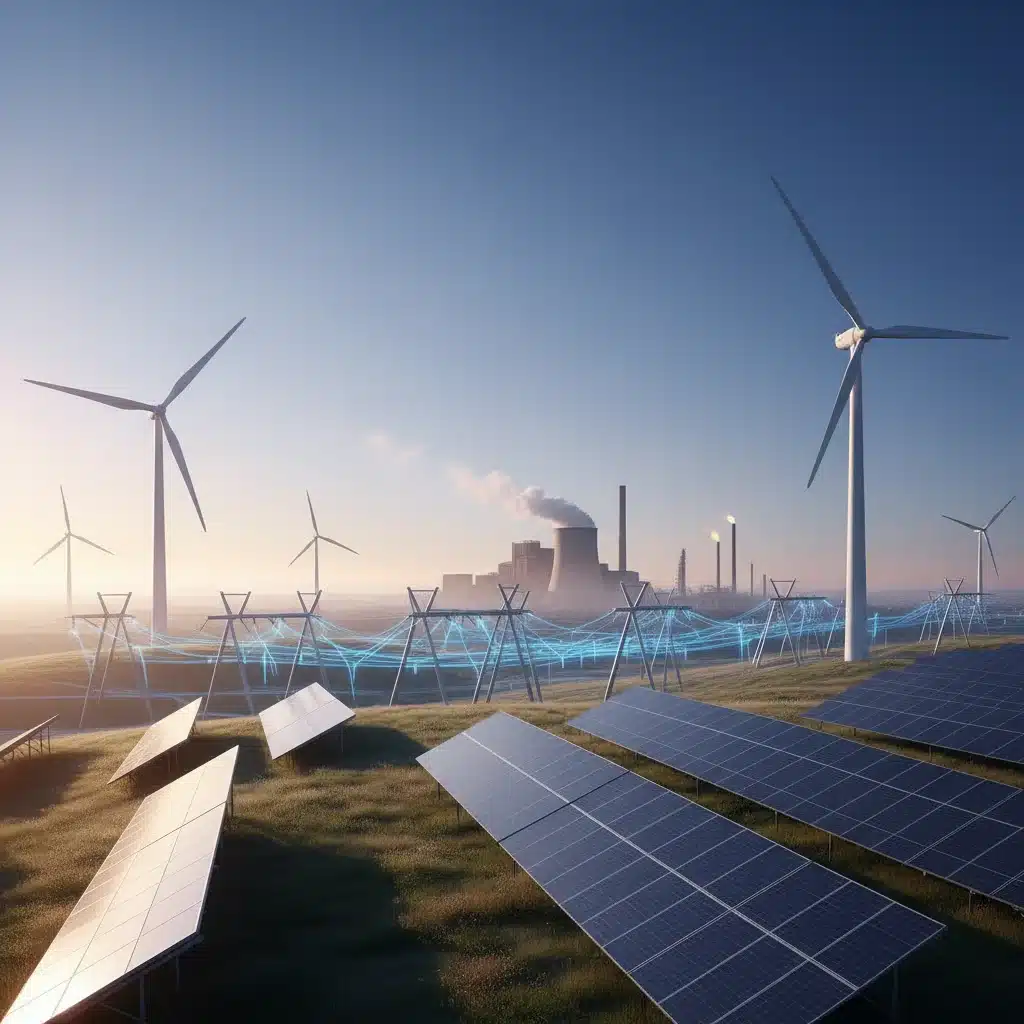
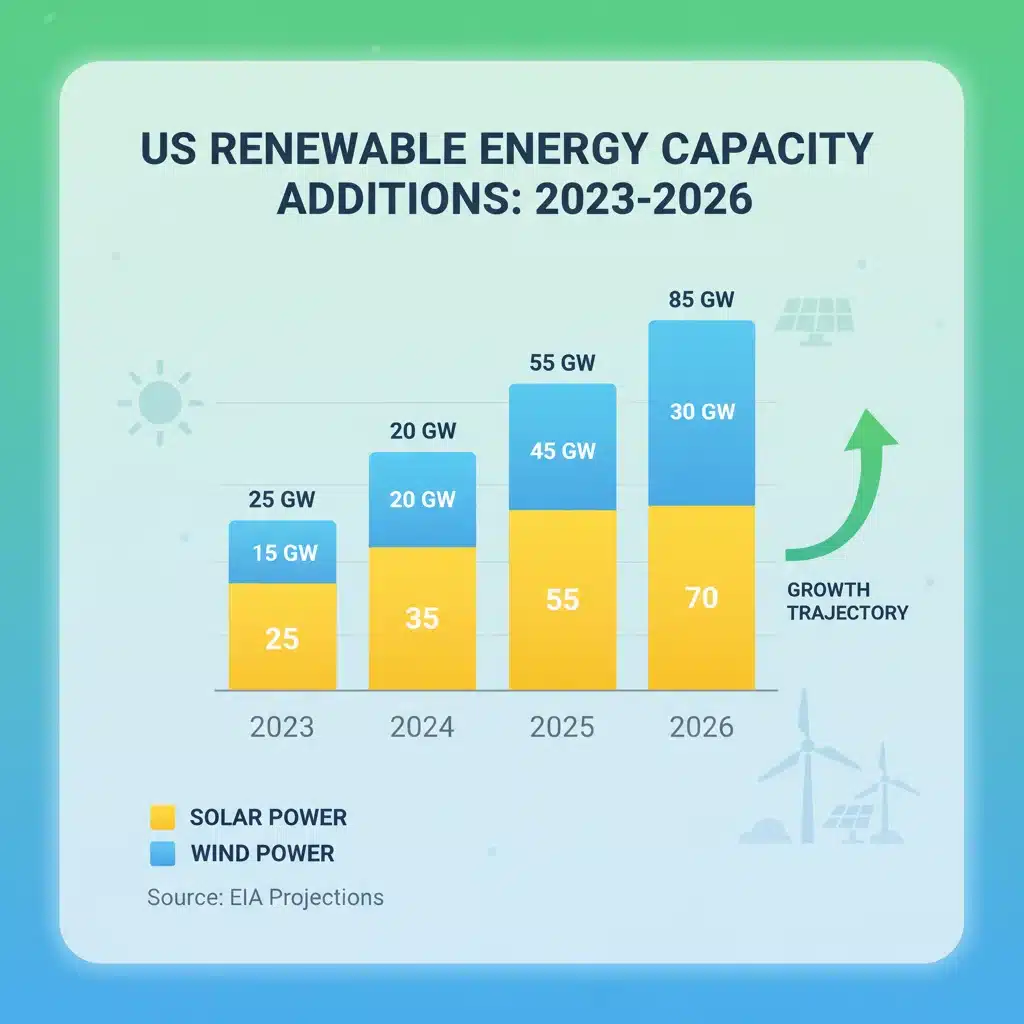
Solar and wind power remain at the forefront of the renewable energy revolution. Technological advancements, coupled with declining costs and federal incentives, have made these sources increasingly competitive. The US is witnessing unprecedented growth in utility-scale solar farms and onshore and offshore wind projects. By 2026, projections suggest a significant increase in the installed capacity of these renewables, contributing a larger share to the national grid.
- Solar Power: Distributed solar (rooftop) and utility-scale solar installations are booming. Innovations in panel efficiency, energy storage integration, and financing models continue to drive adoption.
- Wind Power: Onshore wind continues to expand, particularly in states with strong wind resources. Offshore wind, while nascent, is poised for substantial growth, with several large-scale projects under development along the East and West coasts.
The integration of these intermittent sources requires sophisticated grid management and energy storage solutions.
Energy Storage Solutions
Battery storage, particularly lithium-ion, is critical for the stability and reliability of a grid powered by renewables. As solar and wind generation fluctuate, energy storage systems can store excess power and discharge it when needed, balancing supply and demand. Federal incentives are also pushing for domestic manufacturing of batteries and deployment of grid-scale storage projects.
Electrification of Transportation and Buildings
Decarbonizing the transportation sector, the largest source of greenhouse gas emissions in the US, is paramount. The shift to electric vehicles (EVs) for passenger cars, trucks, and public transit is a core component. Similarly, the electrification of buildings, replacing fossil fuel-powered heating and cooling systems with electric heat pumps, is gaining momentum, supported by federal rebates and state-level initiatives.
Hydrogen and Advanced Nuclear
Beyond solar and wind, emerging technologies like green hydrogen (produced from renewable electricity) and advanced nuclear reactors (small modular reactors – SMRs) are seen as crucial for decarbonizing hard-to-abate sectors like heavy industry and long-haul transportation. Federal funding is actively supporting research, development, and demonstration projects for these technologies.
Challenges on the Path to 2026
Despite significant progress and strong federal backing, the US energy transition faces substantial challenges that could impact its pace and ultimate success by 2026 and beyond.
Grid Modernization and Transmission Infrastructure
One of the most pressing challenges is the need for extensive grid modernization and expansion of transmission infrastructure. The existing grid was not designed for the decentralized and intermittent nature of renewable energy. Building new high-voltage transmission lines to connect remote renewable energy generation sites to demand centers faces significant hurdles, including:
- Permitting and Siting: Lengthy and complex permitting processes, often involving multiple federal, state, and local agencies, as well as landowner disputes.
- Interstate Coordination: Lack of a unified national approach to transmission planning, leading to fragmented efforts across different regions and states.
- Cost and Financing: High upfront costs for new transmission projects and challenges in allocating these costs fairly among beneficiaries.
Without a robust and flexible grid, the full potential of renewable energy cannot be realized, creating bottlenecks that hinder the US energy transition.
Supply Chain Vulnerabilities and Critical Minerals
The rapid expansion of clean energy technologies has exposed vulnerabilities in global supply chains, particularly for critical minerals like lithium, cobalt, nickel, and rare earth elements, essential for batteries, solar panels, and wind turbines. The US currently relies heavily on imports for many of these materials, and processing capacity is concentrated in a few countries. Challenges include:
- Geopolitical Risks: Dependence on foreign sources creates geopolitical risks and price volatility.
- Environmental and Social Concerns: Mining and processing of these minerals can have significant environmental and social impacts, raising concerns about ethical sourcing.
- Domestic Production: Efforts to onshore or friend-shore critical mineral supply chains are underway but face challenges in terms of environmental regulations, labor costs, and community acceptance.
Building a resilient and diversified supply chain is crucial for the long-term success of the US energy transition.
Workforce Development and Skill Gaps
The shift to a clean energy economy requires a skilled workforce. While the renewable energy sector is creating new jobs, there’s a growing concern about skill gaps and the need for retraining programs for workers transitioning from fossil fuel industries. Challenges include:
- Training and Education: Ensuring educational institutions and vocational programs can meet the demand for skilled technicians, engineers, and installers in renewable energy, battery manufacturing, and grid modernization.
- Just Transition: Managing the social and economic impacts on communities historically reliant on fossil fuel industries, ensuring a just transition that provides new opportunities and support for affected workers.
Intermittency and Grid Reliability
Integrating large amounts of intermittent renewable energy (solar and wind) while maintaining grid reliability is a complex engineering challenge. While energy storage is a key solution, its deployment needs to scale significantly. Other challenges include:
- Forecasting Accuracy: Improving forecasting models for renewable energy generation.
- Demand Response: Developing more sophisticated demand-side management programs to shift energy consumption to align with renewable energy availability.
- Legacy Infrastructure: Balancing the integration of new technologies with the need to maintain and sometimes retire existing, reliable, but carbon-intensive infrastructure.
Policy Implementation and Regulatory Hurdles
While federal incentives are robust, the actual implementation of policies and navigating complex regulatory landscapes at federal, state, and local levels can be slow and cumbersome. This includes:
- Permitting Delays: Continued delays in permitting for large-scale renewable energy projects and transmission lines.
- State-Level Policies: Variability in state-level policies and regulations, which can either accelerate or impede the US energy transition depending on the political climate.
- Market Design: Adapting wholesale electricity markets to better accommodate and compensate renewable energy and storage resources.
The Outlook for 2026 and Beyond
As 2026 approaches, the US energy transition is expected to continue its upward trajectory, albeit with ongoing challenges. The momentum generated by federal incentives, coupled with falling technology costs, suggests a continued surge in renewable energy deployment. However, the success of this transition will increasingly hinge on effectively addressing the infrastructural, supply chain, and workforce hurdles.
Increased Renewable Penetration
By 2026, renewable energy sources are projected to constitute a significantly larger share of the US electricity mix. The Energy Information Administration (EIA) and other reputable bodies forecast substantial additions of solar and wind capacity, with renewables potentially surpassing coal as a primary source of electricity generation. This shift will contribute to a cleaner grid and reduced carbon emissions.
Technological Advancements
Innovation will remain a driving force. Expect continued advancements in battery storage technology, including improvements in energy density, cost reduction, and the development of alternative chemistries. Research into long-duration storage solutions will also gain traction. Additionally, progress in smart grid technologies, artificial intelligence for grid management, and advanced materials for renewable energy components will enhance efficiency and reliability.
Economic Impact and Job Growth
The US energy transition is a significant economic driver. The clean energy sector is expected to continue creating millions of jobs across manufacturing, installation, operations, and maintenance. Federal investments are designed to foster domestic manufacturing capabilities, aiming to create a robust American clean energy industry that can compete globally.
Policy Evolution
While the IRA and BIL provide a strong foundation, policy evolution will be ongoing. Future legislative efforts may focus on streamlining permitting processes, further incentivizing grid modernization, and addressing specific supply chain bottlenecks. The political landscape will undoubtedly play a role in shaping the direction and pace of these policy adjustments.
International Context
The US energy transition also operates within a global context. International collaboration on climate goals, technology sharing, and supply chain diversification will be increasingly important. The US’s leadership in clean energy can inspire and influence other nations, contributing to a broader global effort to combat climate change.
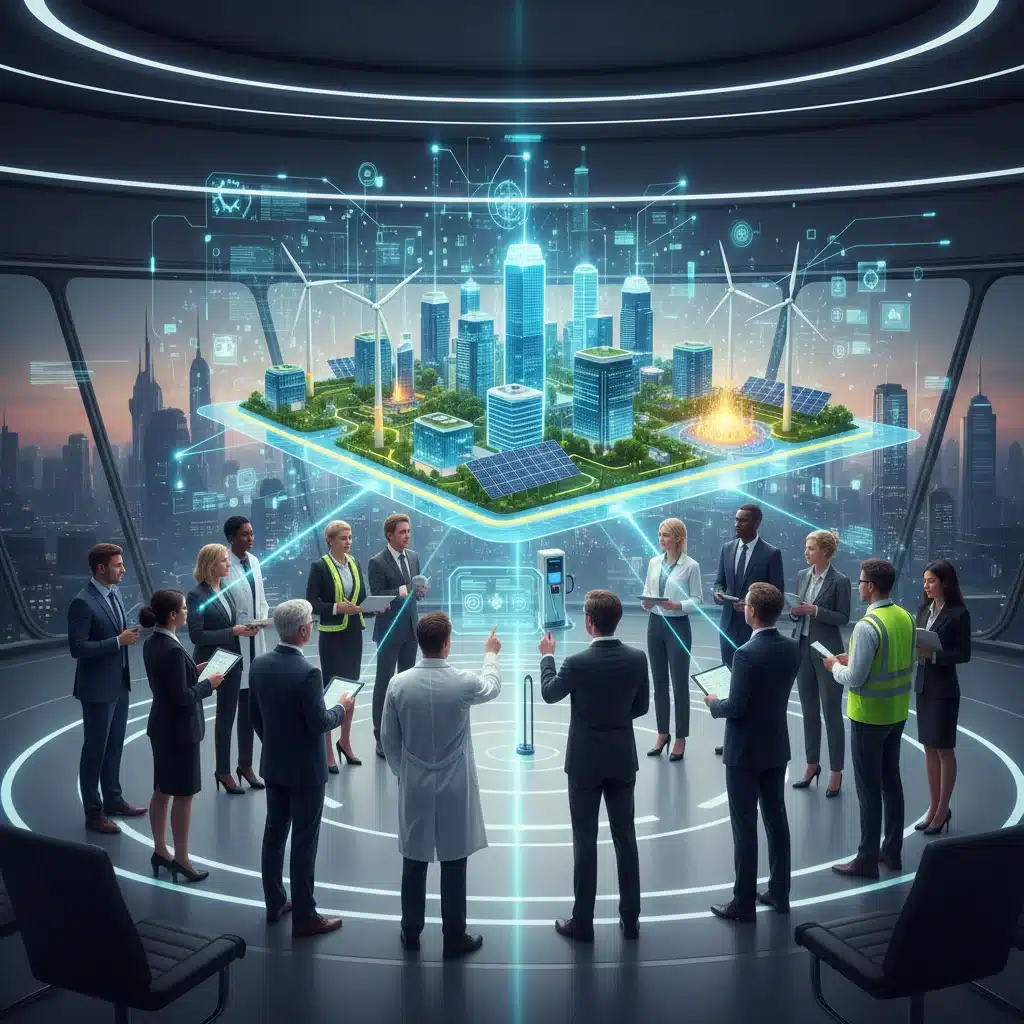
Strategies for Overcoming Challenges
To navigate the complexities of the US energy transition effectively, several strategic approaches are crucial:
Streamlining Permitting and Siting
Reforming the permitting process for energy infrastructure projects is paramount. This could involve:
- Federal Coordination: Establishing a “one-stop shop” or lead agency for major infrastructure projects to streamline federal reviews.
- Early Community Engagement: Proactive engagement with local communities and stakeholders to address concerns and build consensus from the outset.
- Digitalization: Utilizing digital tools and data analytics to accelerate environmental reviews and project assessments.
Investing in Grid Infrastructure
Continued and accelerated investment in grid modernization and expansion is non-negotiable. This includes:
- Innovative Financing: Exploring new financing mechanisms to de-risk transmission projects and attract private capital.
- Regional Planning: Enhancing inter-regional transmission planning and coordination to optimize grid performance and reduce congestion.
- Smart Grid Technologies: Deploying advanced sensors, controls, and communication technologies to create a more resilient and responsive grid.
Building Resilient Supply Chains
Diversifying and strengthening clean energy supply chains requires a multi-pronged approach:
- Domestic Production: Incentivizing domestic mining, processing, and manufacturing of critical minerals and clean energy components.
- International Partnerships: Forging alliances with trusted trading partners to secure diverse sources of critical materials.
- Recycling and Circular Economy: Investing in technologies and infrastructure for recycling clean energy components to reduce reliance on virgin materials.
Workforce Development Initiatives
Addressing skill gaps and ensuring a just transition involves:
- Targeted Training Programs: Developing vocational training, apprenticeships, and university programs tailored to the needs of the clean energy sector.
- Retraining and Reskilling: Providing resources and support for workers from traditional energy industries to transition into clean energy roles.
- STEM Education: Promoting science, technology, engineering, and mathematics (STEM) education to build a pipeline of future clean energy innovators.
Conclusion
The US energy transition is a monumental undertaking, driven by a clear vision for a sustainable future and supported by unprecedented federal investment. As we look towards 2026, the progress made in renewable energy deployment and technological innovation is undeniable. However, the path ahead is not without its obstacles. Overcoming challenges related to grid infrastructure, supply chain vulnerabilities, and workforce development will be critical to realizing the full potential of this transition.
The collaborative efforts of government, industry, academia, and communities will be essential to ensure that the US energy transition is not only rapid and effective but also equitable and resilient. By strategically leveraging federal incentives, fostering innovation, and proactively addressing hurdles, the United States can solidify its position as a leader in the global clean energy economy, paving the way for a healthier planet and a more prosperous future for all.
Autor