Veterans Affairs 2026: New Programs and Essential Resources
Anúncios
Veterans Affairs in 2026: New Programs and Resources for Service Members
As we navigate the complexities of a rapidly evolving world, the commitment to those who have served our nation remains unwavering. Veterans Affairs (VA) is continuously adapting and expanding its offerings to ensure that service members, veterans, and their families receive the support they deserve. The year 2026 marks a significant milestone, bringing forth a host of new programs and enhanced resources designed to address the multifaceted needs of the veteran community. This comprehensive guide will delve into the exciting developments within Veterans Affairs 2026, highlighting key areas of improvement and innovation.
Anúncios
Our nation’s veterans are the backbone of our society, having made immeasurable sacrifices to protect our freedoms. Recognizing their invaluable contributions, the VA is committed to providing world-class services that foster well-being, facilitate successful transitions to civilian life, and offer comprehensive care throughout their lives. The initiatives rolled out under Veterans Affairs 2026 are a testament to this commitment, focusing on accessibility, innovation, and holistic support.
Enhanced Healthcare Services: A Focus on Whole Health
Healthcare remains a cornerstone of VA services, and Veterans Affairs 2026 introduces several groundbreaking advancements in this critical area. The focus has shifted towards a more integrated, preventative, and personalized approach to health, ensuring that veterans receive not just treatment for illness but also support for overall wellness.
Anúncios
Expanded Access to Telehealth and Digital Health Tools
Building on the lessons learned from recent years, VA has significantly invested in telehealth infrastructure. By 2026, veterans across the nation will have even greater access to virtual appointments with specialists, mental health professionals, and primary care providers, regardless of their geographical location. This expansion includes advanced remote monitoring devices, allowing veterans to manage chronic conditions from the comfort of their homes, with real-time data shared securely with their care teams. The goal is to reduce travel burdens, improve appointment adherence, and provide timely medical attention.
Innovative Mental Health and Well-being Programs
Mental health support is a top priority for Veterans Affairs 2026. New programs are being launched to address post-traumatic stress disorder (PTSD), depression, anxiety, and substance use disorders with cutting-edge therapies. These include expanded access to psychedelic-assisted therapies for severe PTSD (under strict medical supervision and research protocols), advanced cognitive behavioral therapy techniques, and a greater emphasis on peer support networks. The VA is also integrating mindfulness and holistic wellness practices into its mental health offerings, recognizing the importance of a comprehensive approach to emotional well-being.
Specialized Care for Women Veterans and LGBTQ+ Veterans
Recognizing the unique healthcare needs of diverse veteran populations, Veterans Affairs 2026 is dedicating specific resources to women veterans and LGBTQ+ veterans. This includes increased access to gender-specific healthcare services, reproductive health options, and specialized support groups. VA facilities are undergoing training to ensure culturally competent care, creating welcoming and inclusive environments for all veterans. Dedicated women veterans’ health clinics are being expanded, and new programs are being piloted to address health disparities within the LGBTQ+ veteran community.
Proactive Preventative Care and Wellness Initiatives
Prevention is key to long-term health. Veterans Affairs 2026 emphasizes proactive preventative care through expanded wellness programs. These include personalized nutrition counseling, fitness programs tailored to various physical abilities, smoking cessation initiatives, and chronic disease management education. The VA is partnering with community organizations to offer veterans more opportunities for healthy living, aiming to reduce the incidence of preventable diseases and improve quality of life.
Education and Employment: Empowering Veterans for Civilian Success
Transitioning from military to civilian life can present unique challenges, particularly in the realms of education and employment. Veterans Affairs 2026 is introducing robust initiatives to equip veterans with the skills, knowledge, and opportunities needed to thrive in the civilian workforce and pursue higher education.
Enhanced GI Bill Benefits and Career Training Programs
The Post-9/11 GI Bill remains a powerful tool for veterans pursuing education. In 2026, several enhancements are being implemented to make these benefits even more flexible and responsive to current economic demands. This includes expanded eligibility for certain vocational training programs, apprenticeships, and certifications in high-demand fields like cybersecurity, renewable energy, and artificial intelligence. The VA is also simplifying the application process and providing more personalized counseling to help veterans choose the best educational and career paths.
Veteran Employment Assistance and Entrepreneurship Support
Finding meaningful employment is crucial for a successful transition. Veterans Affairs 2026 is bolstering its employment assistance programs with stronger partnerships between the VA, the Department of Labor, and private sector companies. New initiatives include specialized job placement services for veterans with disabilities, mentorship programs connecting veterans with industry leaders, and expanded access to resume writing and interview skill workshops. For entrepreneurial veterans, the VA is offering enhanced business development resources, including access to capital, mentorship from experienced entrepreneurs, and training in small business management.
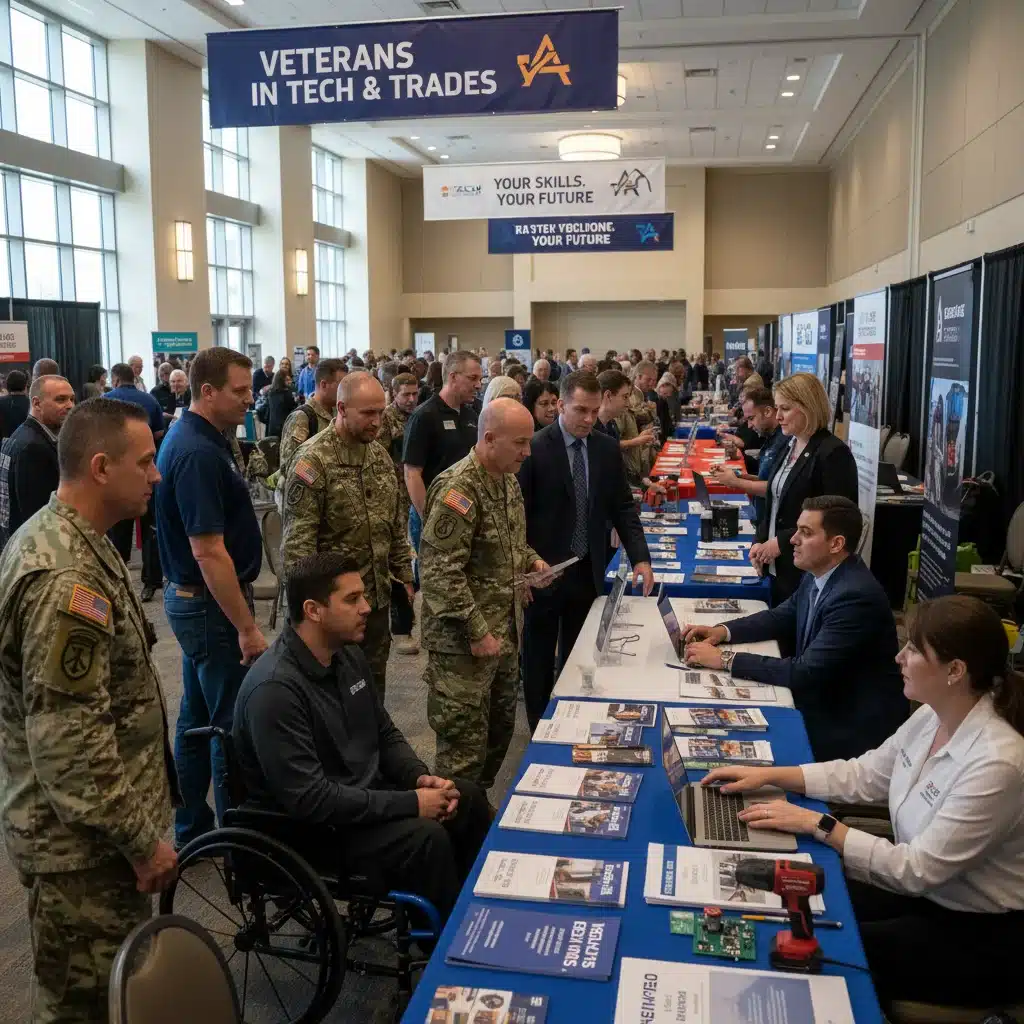
Furthermore, the VA is actively working to combat underemployment among veterans by promoting the value of military skills and experience to civilian employers. Recognition of military occupational specialties (MOS) and their civilian equivalents is being streamlined, making it easier for veterans to translate their service into marketable skills. This proactive approach aims to ensure that veterans are not just employed, but are in fulfilling careers that utilize their extensive capabilities.
Housing and Homelessness: A Commitment to Stable Living
Ensuring that every veteran has a safe and stable place to call home is a paramount goal for the VA. Veterans Affairs 2026 outlines aggressive strategies and new programs to combat veteran homelessness and provide affordable housing solutions.
Expanded Homelessness Prevention and Rapid Re-housing Programs
The VA is significantly increasing funding and resources for programs aimed at preventing homelessness before it occurs. This includes enhanced rental assistance, utility payment support, and financial counseling for at-risk veterans. For veterans experiencing homelessness, rapid re-housing initiatives are being expanded to provide immediate access to temporary and permanent housing, coupled with comprehensive support services to address underlying issues that contribute to homelessness, such as mental health challenges, substance use, and unemployment.
Affordable Housing Initiatives and Home Loan Enhancements
To address the broader issue of affordable housing, Veterans Affairs 2026 is introducing new partnerships with local housing authorities and non-profit organizations to develop more veteran-specific affordable housing units. The VA Home Loan program, a cornerstone benefit, is also undergoing enhancements. This includes simplified application processes, increased educational resources for first-time homebuyers, and potential adjustments to loan limits to reflect current housing market trends, making homeownership more accessible for veterans across various income levels.
Benefits and Support Services: Simplifying Access and Maximizing Impact
Navigating the array of benefits available through the VA can sometimes be complex. Veterans Affairs 2026 is focused on streamlining access to benefits and ensuring that veterans and their families are fully aware of and can easily utilize all available support services.
Simplified Benefits Application Process
A major initiative for Veterans Affairs 2026 is the overhaul of the benefits application system. Leveraging advanced technology and user-centered design principles, the VA aims to create a more intuitive, efficient, and transparent application process. This includes a single online portal for all benefits, intelligent forms that pre-populate information, and real-time tracking of application status. The goal is to reduce the administrative burden on veterans and expedite the delivery of critical benefits.
Enhanced Caregiver Support Programs
Caregivers of veterans play an indispensable role in their well-being, and Veterans Affairs 2026 is expanding support for these vital individuals. New programs offer increased financial stipends, respite care services, mental health support for caregivers, and comprehensive training on managing various veteran conditions. The VA recognizes that supporting caregivers is essential to supporting veterans, and these enhancements aim to alleviate some of the significant challenges caregivers often face.
Legal Aid and Advocacy Services
Veterans often encounter legal challenges related to their benefits, housing, or employment. Veterans Affairs 2026 is expanding its partnerships with legal aid organizations to provide veterans with free or low-cost legal assistance. This includes advocacy for benefits appeals, support for landlord-tenant disputes, and assistance with consumer protection issues. The aim is to ensure that veterans have access to justice and can navigate legal complexities with expert guidance.
Community Engagement and Veteran Integration: Building Stronger Connections
Fostering a strong sense of community and ensuring seamless integration into civilian life are crucial for veteran well-being. Veterans Affairs 2026 emphasizes community engagement and partnerships to create supportive environments for veterans.
Veteran Community Hubs
A new concept being piloted in 2026 is the establishment of “Veteran Community Hubs” in key cities. These hubs will serve as one-stop centers where veterans can access VA services, connect with local veteran organizations, participate in social activities, and receive peer support. The hubs aim to reduce isolation, build camaraderie, and provide a centralized point of contact for a wide range of resources, fostering a stronger sense of belonging.
Partnerships with Local and State Governments
The VA is strengthening its collaborations with state and local governments to create a more cohesive support system for veterans. This includes aligning state-level veteran benefits with federal programs, sharing best practices, and coordinating outreach efforts to reach all veterans, especially those in rural or underserved areas. These partnerships are critical for creating a seamless network of support that extends beyond federal services.
Future Outlook and Continuous Improvement
The initiatives under Veterans Affairs 2026 represent a dynamic and forward-thinking approach to veteran care. However, the VA’s commitment to improvement is ongoing. Continuous feedback loops, data analysis, and research are integral to ensuring that programs remain effective and responsive to the evolving needs of the veteran community.
Research and Development in Veteran Health
Investment in research and development remains a priority. Veterans Affairs 2026 will see increased funding for studies on traumatic brain injury (TBI), prosthetics, regenerative medicine, and mental health interventions. The VA is at the forefront of medical innovation, and these research efforts are crucial for developing new treatments and improving the quality of life for veterans with service-connected conditions.
Technological Advancements for Service Delivery
Beyond telehealth, the VA is exploring other technological advancements to enhance service delivery. This includes artificial intelligence (AI) for personalized health recommendations, virtual reality (VR) for therapy and skills training, and blockchain technology for secure record management. These innovations aim to make VA services more efficient, personalized, and accessible.

The integration of AI, for example, could help VA staff identify veterans at risk of homelessness or mental health crises earlier, allowing for proactive intervention. VR could provide immersive therapy experiences for PTSD or help veterans re-learn skills in a safe, controlled environment. These are just a few examples of how technology will continue to shape the future of Veterans Affairs 2026 and beyond.
How Veterans Can Access New Programs and Resources
Staying informed about the latest offerings from Veterans Affairs 2026 is crucial. Here are some ways veterans can access information and utilize these new programs:
- VA.gov Website: The official VA website remains the primary source for comprehensive information on all benefits and services. The site is being updated to reflect the 2026 changes and will feature improved navigation and search functions.
- My HealtheVet Portal: This secure online portal allows veterans to manage their healthcare, refill prescriptions, view medical records, and communicate with their care teams.
- VA Mobile Apps: The VA offers a suite of mobile applications for various services, including appointment scheduling, medication management, and mental health support. New apps are being developed to enhance accessibility.
- Veteran Service Organizations (VSOs): Organizations like the American Legion, VFW, DAV, and others play a vital role in assisting veterans with benefits claims and connecting them to resources. They are excellent points of contact for personalized assistance.
- Local VA Facilities: Visiting your local VA medical center or regional office can provide direct access to information and support from VA staff.
- Community Outreach Events: The VA and its partners regularly host outreach events, job fairs, and informational sessions in communities across the nation. Keep an eye on local announcements for these opportunities.
- Toll-Free Helplines: The VA operates several helplines for specific services, including the Veterans Crisis Line (988, then Press 1) for mental health support, and general inquiry lines for benefits information.
It is highly recommended that veterans and their families regularly check the VA’s official channels for the most up-to-date information regarding eligibility requirements, application procedures, and program specifics. The landscape of veteran support is constantly evolving, and staying informed ensures that you can leverage all available resources.
Conclusion: A Brighter Future for Veterans
The initiatives under Veterans Affairs 2026 represent a significant step forward in fulfilling our nation’s promise to its veterans. From enhanced healthcare and innovative mental health solutions to robust educational and employment support, and a renewed focus on stable housing, the VA is committed to providing comprehensive, compassionate, and accessible services. These programs are not just about addressing immediate needs; they are about empowering veterans to lead fulfilling, healthy, and prosperous lives long after their service concludes.
The continuous evolution of Veterans Affairs 2026 underscores a deep commitment to adapting to the changing needs of the veteran community. By embracing technology, fostering strong partnerships, and prioritizing a holistic approach to well-being, the VA is building a brighter future for those who have sacrificed so much for our country. We encourage all veterans and their families to explore these new resources and take full advantage of the expanded support available to them.
Autor