The 3-Day Rule 2026: Your Right to Cancel Certain Contracts
Anúncios
Understanding your rights as a consumer is paramount in today’s fast-paced world, where decisions are often made under pressure. One of the most vital protections afforded to consumers is the ‘3-Day Rule,’ often referred to as the Right to Cancel or the Right of Rescission. As we move into 2026, it’s crucial to be fully aware of what this rule entails, which contracts it applies to, and how you can exercise this right effectively. This comprehensive guide will delve deep into the nuances of the 3-Day Rule, ensuring you are well-equipped to navigate contractual agreements with confidence.
Anúncios
What Exactly is the 3-Day Rule?
The 3-Day Rule is a federal trade regulation that grants consumers a cooling-off period of three business days to cancel certain sales made at their home or at a location that is not the seller’s permanent place of business. This means that if you sign a contract for specific goods or services, you generally have 72 hours to change your mind and cancel the agreement without penalty. The primary purpose of this rule is to protect consumers from high-pressure sales tactics often employed by door-to-door salespeople or at temporary sales events, where consumers might not have adequate time to consider their decision or compare prices.
It’s important to clarify that the 3-Day Rule is not a universal right that applies to all contracts. Its scope is quite specific, targeting particular types of sales and circumstances. Misunderstanding its application can lead to frustration and a false sense of security. Therefore, knowing the exact parameters of this rule is key to leveraging it when necessary.
Historical Context and Evolution of the 3-Day Rule
The origins of the 3-Day Rule can be traced back to the Federal Trade Commission’s (FTC) efforts to protect consumers from predatory sales practices. Over the years, as consumer markets evolved, so too did the regulations surrounding consumer protection. While the core principle of a ‘cooling-off period’ has remained consistent, the specifics of its application have been refined. In 2026, the fundamental principles remain, but awareness and proper execution are more important than ever given the increasing complexity of consumer contracts.
Anúncios
Which Contracts Does the 3-Day Rule Apply To?
This is perhaps the most critical aspect of understanding the 3-Day Rule. It does not apply to every contract you sign. The rule primarily covers:
- Door-to-Door Sales: Sales made at your home, workplace, or dormitory, or at facilities rented by the seller on a temporary basis, such as hotel rooms, convention centers, or restaurants.
- Home Equity Loans and Refinancing: For certain home equity loans and refinancing agreements, consumers have a three-day right of rescission. This is a significant protection, as it involves a consumer’s most valuable asset.
- Time-Share Purchases: Many states have specific laws granting a right of rescission for time-share contracts, often mirroring or extending the federal 3-Day Rule.
- Credit Repair Services: Contracts for credit repair services often fall under this rule, allowing consumers a window to cancel.
- Some Prepaid Funeral Services: Depending on state law, certain prepaid funeral arrangements might also be covered.
Contracts NOT Covered by the 3-Day Rule
Equally important is knowing what the 3-Day Rule does not cover. This list is extensive and often surprises consumers:
- Sales made entirely online, by mail, or by phone.
- Sales made at the seller’s permanent place of business (e.g., retail stores).
- Sales for less than $25 for goods or less than $130 for services (this threshold can vary by state).
- Sales of real estate, insurance, or securities (though other specific cancellation rights may apply).
- Emergency home repairs where you waive your right to cancel.
- Sales of motor vehicles (though some states have specific laws for this).
- Sales of items that are custom-made or perishable.
It’s essential to scrutinize the nature of the sale and the location where the contract was signed to determine if the 3-Day Rule is applicable. When in doubt, always seek clarification from the seller or a legal professional.
Exercising Your Right to Cancel: The Process
If you find yourself in a situation where the 3-Day Rule applies and you wish to cancel a contract, acting promptly and correctly is crucial. Here’s a step-by-step guide:
- Check Your Contract for a Cancellation Form: By law, sellers covered by the 3-Day Rule must provide you with two copies of a cancellation form at the time of sale. One copy is for you to keep, and the other is for you to send back if you decide to cancel. The contract should also include an explanation of your right to cancel.
- Fill Out the Cancellation Form: Clearly indicate your intention to cancel the contract. Make sure to sign and date it.
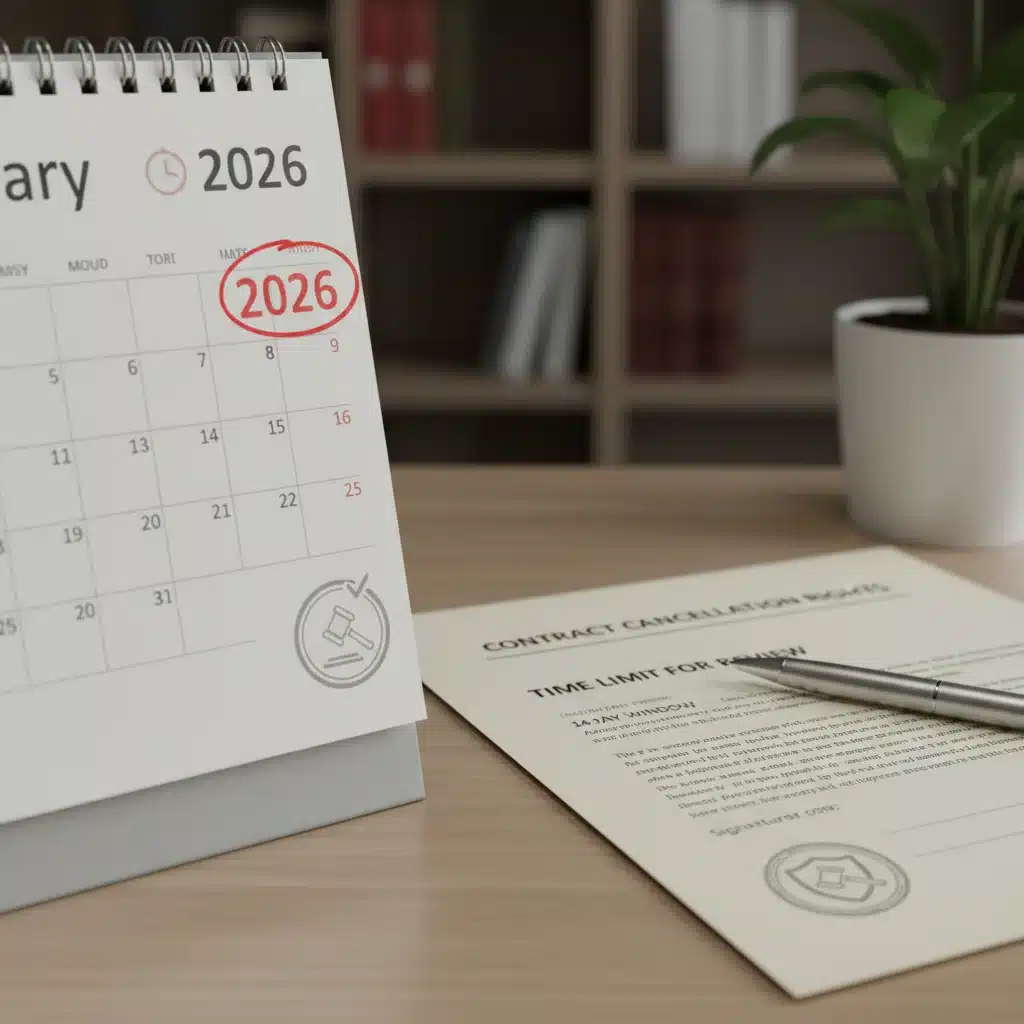
- Send the Form Within Three Business Days: The cancellation must be postmarked or personally delivered before midnight of the third business day after the contract was signed. Business days usually include Saturdays but exclude Sundays and federal holidays. The contract should specify the exact cancellation deadline.
- Keep Records: Make a copy of the signed cancellation form for your records. If sending by mail, use certified mail with a return receipt requested. This provides proof that you sent the cancellation and that the seller received it. If delivering in person, get a signed and dated receipt from the seller.
- Return Merchandise (if applicable): If you received any goods, you must make them available to the seller in the same condition as when you received them. The seller has 20 days to pick up the items or arrange for their return. They are responsible for the cost of returning the items.
Failure to follow these steps precisely could jeopardize your right to cancel. The burden of proof for cancellation often falls on the consumer, which is why meticulous record-keeping is so important.

Understanding the ‘Business Day’ Definition for the 3-Day Rule
The term ‘business day’ is critical when calculating your cancellation period. Generally, business days include Monday through Saturday, but exclude Sundays and federal holidays. However, it’s always best to refer to the specific language in your contract, as some contracts may define business days differently. For instance, if you sign a contract on a Friday, and Monday is a federal holiday, your three business days might extend to the following Tuesday or Wednesday, depending on the specifics. Always err on the side of caution and send your cancellation as early as possible.
What if the Seller Doesn’t Provide Cancellation Information?
If the seller fails to provide you with the required notice of your right to cancel, or if they don’t give you the necessary cancellation forms, your right to cancel may be extended. In some cases, it could extend for a year or even longer until they provide the proper notice. This is a significant protection designed to penalize non-compliant sellers and further protect consumers. If you encounter such a situation, it’s advisable to consult with consumer protection agencies or legal counsel.
Common Misconceptions About the 3-Day Rule
Many consumers hold misconceptions about the 3-Day Rule, which can lead to missed opportunities or false expectations. Let’s debunk some of the most common ones:
- It applies to all purchases: As discussed, this is not true. Most retail purchases, especially those made at a store, are not covered.
- You can cancel a car purchase: In most states, there is no federal 3-Day Rule for car purchases. Once you drive it off the lot, it’s usually yours, unless the dealer offers a specific return policy.
- It’s an automatic right: You must actively exercise your right to cancel by sending the proper notification within the specified timeframe.
- Verbal cancellation is enough: No, cancellation must be in writing. Always.
Being informed about these distinctions is crucial for effective consumer protection in 2026.
The Role of State Laws in the 3-Day Rule
While the 3-Day Rule is a federal regulation, many states have their own ‘cooling-off’ laws that can either mirror, expand upon, or specify different conditions for cancellation rights. Some states might extend the cancellation period for certain types of contracts, or they might apply the rule to categories of sales not covered by federal law. For example, some states have specific cancellation periods for health club memberships, dating services, or vocational schools.
It’s always a good practice to research your state’s specific consumer protection laws in addition to understanding the federal 3-Day Rule. This layered approach ensures you have the most comprehensive understanding of your rights. Consumer protection agencies at the state level are excellent resources for this information.
Why the 3-Day Rule is Still Relevant in 2026
Despite the rise of e-commerce and increasingly sophisticated sales environments, the fundamental need for the 3-Day Rule remains. High-pressure sales tactics, particularly those targeting vulnerable populations, are still prevalent. The rule provides a critical safety net, allowing consumers to escape agreements they might have been pressured into, or to reconsider decisions made without full information or adequate time for reflection. In an era where complex financial products and services are aggressively marketed, having a period of rescission is more vital than ever for financial literacy and consumer empowerment.
Protecting Yourself Beyond the 3-Day Rule
While the 3-Day Rule offers significant protection, it’s only one tool in a consumer’s arsenal. Here are additional tips to safeguard yourself:
- Read Contracts Carefully: Before signing anything, read the entire document, including the fine print. If you don’t understand something, ask for clarification or seek legal advice.
- Don’t Feel Pressured: A legitimate seller will give you time to consider your options. If you feel pressured, it’s often a red flag.
- Get Everything in Writing: All promises, terms, and conditions should be explicitly stated in the contract.
- Know the Seller: Research the company’s reputation and check for reviews or complaints.
- Keep Copies: Always keep copies of all signed documents, receipts, and correspondence.

Case Studies: Impact of the 3-Day Rule
To illustrate the practical application and importance of the 3-Day Rule, let’s consider a few hypothetical scenarios:
Scenario 1: The Door-to-Door Sales Pitch
Mrs. Jenkins, an elderly homeowner, was approached by a salesperson offering a “revolutionary” new roofing material at a steep discount, but only if she signed up today. Feeling pressured, she signed the contract. The next day, after discussing it with her son, she realized the price was exorbitant and the material wasn’t suitable for her home. Thanks to the 3-Day Rule, she was able to send a cancellation notice via certified mail within the three business days, effectively voiding the contract and avoiding a costly mistake.
Scenario 2: Home Improvement Loan
Mr. and Mrs. Lee decided to refinance their home to consolidate debt. During the process, they were offered a home equity loan. They signed the papers at the lender’s office. A day later, they found a better offer from another bank. Because home equity loans are covered by the 3-Day Rule (specifically the Truth in Lending Act’s right of rescission), they were able to cancel the first loan within the three-day period, allowing them to pursue the more favorable terms.
These examples highlight how the 3-Day Rule serves as a crucial safeguard, empowering consumers to make informed decisions and protecting them from undue influence or regret.
The Future of Consumer Protection and the 3-Day Rule in 2026
As technology advances and new business models emerge, consumer protection laws, including the 3-Day Rule, are continually reviewed and sometimes adapted. While the core principle of a cooling-off period is likely to endure, discussions may arise regarding its application to digital contracts, subscription services, or emerging forms of commerce. Staying informed about legislative changes and consumer advocacy efforts will be key to understanding the evolving landscape of consumer rights in 2026 and beyond.
Consumer advocacy groups play a vital role in pushing for stronger consumer protections and educating the public. Organizations like the Federal Trade Commission (FTC) and the Consumer Financial Protection Bureau (CFPB) are excellent resources for up-to-date information and for reporting unfair or deceptive practices. Familiarizing yourself with their websites and publications can provide invaluable insights into your rights and how to protect them.
Conclusion: Empowering Consumers with the 3-Day Rule
The 3-Day Rule is a powerful consumer protection mechanism designed to give you a second chance when you’ve entered into certain contracts under specific circumstances. In 2026, understanding this right is as crucial as ever. By knowing which contracts are covered, how to properly exercise your right to cancel, and what pitfalls to avoid, you can confidently navigate the complexities of consumer agreements. Remember, knowledge is your best defense against predatory practices and hasty decisions. Always read, always question, and always know your rights.
Protecting your financial well-being and personal choices starts with being an informed consumer. The 3-Day Rule is a testament to the importance of consumer autonomy, ensuring that you have the time and space to make decisions that are truly in your best interest. Don’t hesitate to use this right when applicable, and always prioritize careful consideration before committing to any significant agreement.
For further information and resources, consider visiting the official websites of the Federal Trade Commission (FTC) and your state’s Attorney General’s office, as they provide comprehensive guides and updates on consumer protection laws.
Autor