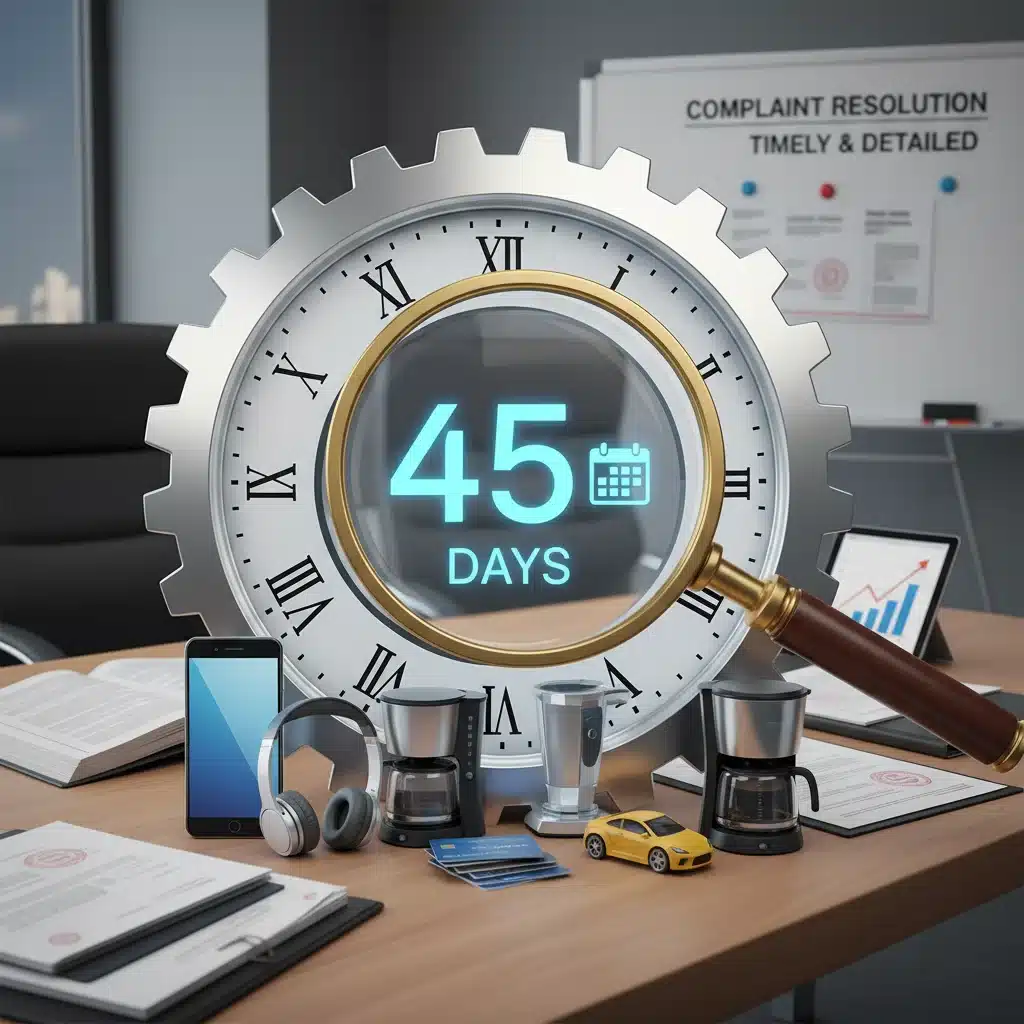
Navigating the Consumer Complaint Process: Your 45-Day Resolution Guide for 2026
Anúncios
In an increasingly complex marketplace, consumers often encounter issues with products or services. From faulty electronics to misrepresented services, knowing how to effectively navigate the consumer complaint process is crucial. This comprehensive guide is designed to empower you with the knowledge and strategies needed to resolve your consumer complaints efficiently, aiming for a resolution within 45 days in 2026. We will cover everything from initial documentation to understanding your rights and escalating your case, ensuring you’re well-equipped to tackle any challenge.
Understanding Your Rights: The Foundation of the Consumer Complaint Process
Before initiating any action within the consumer complaint process, it’s essential to be aware of your fundamental consumer rights. These rights form the bedrock of your ability to seek redress. Generally, these include the right to safety, the right to be informed, the right to choose, the right to be heard, the right to redress, and the right to consumer education. Specific regulations and laws, such as those enforced by the Federal Trade Commission (FTC) in the United States, or similar bodies internationally, protect these rights. Familiarizing yourself with these protections will strengthen your position significantly.
Key Consumer Rights to Remember:
- Right to Safety: Products and services should not pose a threat to your health or life.
- Right to Be Informed: You should be provided with accurate and complete information to make informed choices.
- Right to Choose: Access to a variety of products and services at competitive prices.
- Right to Be Heard: Your interests will receive full and sympathetic consideration in the formulation of government policy, and in the development of products and services.
- Right to Redress: The right to receive a fair settlement of just claims, including compensation for misrepresentation, shoddy goods, or unsatisfactory services.
- Right to Consumer Education: The right to acquire the knowledge and skills necessary to make informed, confident choices about goods and services, while being aware of basic consumer rights and responsibilities and how to act on them.
Understanding these rights is the first critical step in successfully navigating the consumer complaint process. It allows you to identify when a company has failed to uphold its end of the bargain and provides a legal and ethical framework for your complaint.
Anúncios
Step 1: Meticulous Documentation – The Cornerstone of Your Case (Days 1-5)
The most critical component of a successful consumer complaint process is thorough documentation. Without solid evidence, your claims may be difficult to prove. Begin gathering all relevant information as soon as an issue arises. This initial phase, ideally completed within the first five days, will set the stage for your entire resolution journey.
What to Document:
- Purchase Records: Keep all receipts, invoices, order confirmations, and contracts. These prove you bought the item or service and provide essential details like date, price, and terms.
- Product/Service Details: Note down model numbers, serial numbers, service dates, and any specific features or specifications that are relevant to your complaint.
- Communication Logs: Record every interaction you have with the company. This includes dates, times, names of representatives, a summary of the conversation, and any reference numbers provided. If communicating via email or chat, save copies of the entire conversation. For phone calls, note the duration and key points discussed.
- Photographic/Video Evidence: If the complaint involves a physical defect, damage, or unsatisfactory service outcome, take clear photos or videos. Date and time stamp these if possible.
- Witness Statements: If anyone else witnessed the issue or relevant events, obtain their contact information and, if possible, a written statement.
- Advertisements/Promises: Keep copies of any advertisements, brochures, or written promises made by the company that relate to your complaint, especially if misrepresentation is an issue.
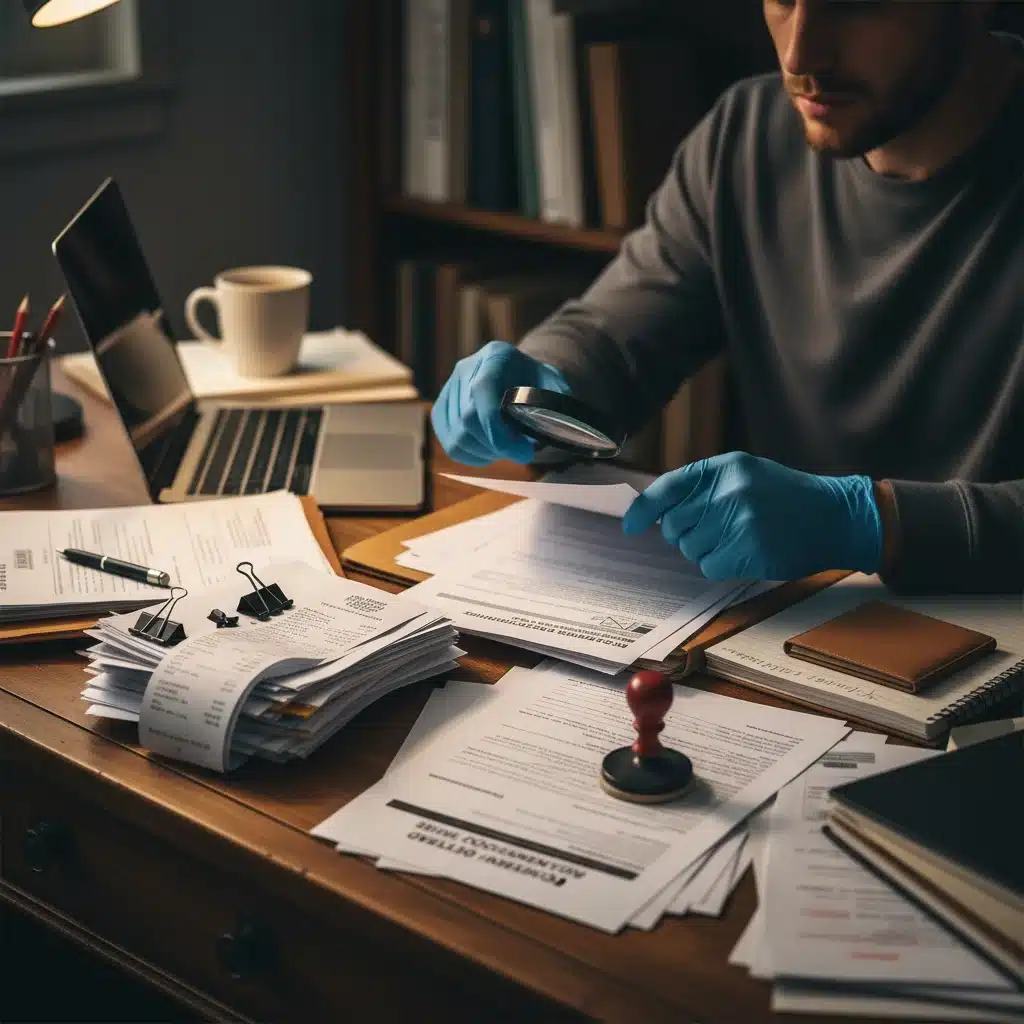
This detailed record-keeping not only strengthens your case but also helps you recall specifics accurately, which can be invaluable during negotiations or formal proceedings within the consumer complaint process. Organize these documents systematically, perhaps in a dedicated folder, both physically and digitally.
Step 2: Direct Communication with the Business (Days 6-15)
Once you have your documentation in order, the next step in the consumer complaint process is to directly contact the business. This is often the quickest and most effective way to resolve an issue. Aim to complete this stage within ten days of your initial documentation phase.
Initial Contact Strategy:
- Identify the Right Department: Start with customer service, but be prepared to ask for a supervisor or a specific department (e.g., warranty, technical support) if your initial contact cannot resolve the issue.
- Prepare Your Complaint: Clearly and concisely state the problem, what happened, when it happened, and what resolution you are seeking (e.g., refund, repair, replacement, compensation). Refer to your documentation.
- Maintain a Professional Tone: Even if you are frustrated, remaining calm and polite can lead to a more constructive conversation and a quicker resolution.
- Communicate in Writing (Preferably): While phone calls can be quick, a written complaint (email or letter) provides a clear record of your communication. If you call, follow up with an email summarizing the conversation and any agreed-upon next steps.
- Set a Reasonable Deadline: Politely state that you expect a response or resolution within a specific timeframe (e.g., 7-10 business days). This demonstrates your seriousness and helps move the consumer complaint process forward.
Remember to keep copies of all written communications and detailed notes of phone calls. If the company offers a resolution, ensure you understand the terms and get them in writing. If they refuse to resolve the issue or do not respond within your specified timeframe, it’s time to escalate.
Step 3: Escalation and Internal Resolution (Days 16-30)
If your direct communication with the initial contact points of the business doesn’t yield a satisfactory outcome, the next phase of the consumer complaint process involves escalating the issue within the company. This typically involves reaching out to higher-level management or dedicated complaint departments. This stage should ideally be completed within two weeks.
Methods of Escalation:
- Supervisor or Manager: If your initial customer service representative couldn’t help, ask to speak with a supervisor or manager. They often have more authority to make decisions or offer solutions.
- Company’s Executive Office: Many larger companies have an executive customer relations department or a direct line to executive offices for serious complaints. A quick search on the company’s website or a general internet search can often reveal this contact information.
- Social Media: Publicly posting your complaint on the company’s social media channels can sometimes prompt a quicker response, as companies are often sensitive to their public image. Be factual and professional in your posts.
- Formal Complaint Letter: Send a formal letter (certified mail with return receipt requested) to the company’s corporate headquarters. This letter should detail your complaint, the steps you’ve already taken, the desired resolution, and a firm but reasonable deadline for their response. Attach copies (not originals) of your supporting documentation.
Throughout this escalation, continue to meticulously document every interaction. Note down who you spoke with, when, what was discussed, and any new promises or refusals. This diligence is paramount in the consumer complaint process, especially if you need to take further action.
Step 4: External Assistance and Regulatory Bodies (Days 31-45)
If internal company escalation fails to resolve your issue within the first 30 days, it’s time to seek external assistance. This is where various regulatory bodies and consumer protection agencies become vital components of the consumer complaint process. This phase aims to bring your complaint to the attention of entities that can mediate or enforce consumer rights, ideally leading to a resolution within the 45-day target.
Key External Resources:
- Better Business Bureau (BBB): The BBB mediates disputes between consumers and businesses. While they don’t have enforcement power, their public ratings can motivate businesses to resolve complaints. Filing a complaint with the BBB is often a strong next step in the consumer complaint process.
- Federal Trade Commission (FTC): The FTC collects consumer complaints about deceptive, unfair, or fraudulent business practices. While they generally don’t resolve individual complaints, they use these reports to identify patterns and take legal action against companies. Reporting to the FTC is crucial for broader consumer protection.
- State Attorney General’s Office/Consumer Protection Agencies: Most states have an Attorney General’s office or a dedicated consumer protection division that handles consumer complaints. They often have mediation services and can investigate businesses for violations of state consumer protection laws.
- Industry-Specific Regulators: Depending on the nature of your complaint, there might be specific regulatory bodies. For example, the Department of Transportation for airline complaints, the Federal Communications Commission (FCC) for telecommunication issues, or state insurance departments for insurance disputes. Researching the relevant regulator for your specific issue can be highly effective in the consumer complaint process.
- Consumer Financial Protection Bureau (CFPB): For complaints related to financial products and services (e.g., credit cards, mortgages, bank accounts), the CFPB is the primary federal agency. They actively work to resolve individual complaints and hold financial institutions accountable.
When contacting these agencies, provide them with all your meticulously gathered documentation. Clearly explain the issue, the steps you’ve taken, and the company’s response (or lack thereof). These agencies play a crucial role in upholding consumer rights and can significantly expedite the consumer complaint process.
Step 5: Alternative Dispute Resolution (ADR) and Legal Action (Beyond 45 Days, If Necessary)
While our goal is a 45-day resolution, some complex cases may require further action. If external agencies haven’t yielded a satisfactory outcome, consider alternative dispute resolution (ADR) or, as a last resort, legal action. This phase extends beyond the initial 45-day target but is a vital part of the comprehensive consumer complaint process.
Alternative Dispute Resolution (ADR):
ADR methods offer structured ways to resolve disputes outside of court. They are generally less formal, less expensive, and quicker than litigation.
- Mediation: A neutral third party (mediator) facilitates communication and negotiation between you and the business, helping you reach a mutually agreeable solution. The mediator does not make decisions but guides the process.
- Arbitration: In arbitration, a neutral third party (arbitrator) hears both sides of the argument and makes a decision. This decision can be binding (meaning both parties must adhere to it) or non-binding. Many contracts, especially for services, include arbitration clauses, so check your original agreement.

ADR can be a highly effective step in the consumer complaint process, offering a final opportunity for resolution before resorting to the courts.
Legal Action:
- Small Claims Court: For disputes involving relatively small monetary amounts (the limit varies by state/jurisdiction), small claims court is often an accessible and affordable option. You typically don’t need an attorney, and the process is designed to be straightforward.
- Attorney Consultation: For larger or more complex cases, consulting with an attorney specializing in consumer law is advisable. They can assess the strength of your case, advise you on your legal options, and represent you in court if necessary.
- Class Action Lawsuits: If many consumers have been affected by the same issue, a class-action lawsuit might be an option. This is usually initiated by a law firm representing a group of affected individuals.
Pursuing legal action can be time-consuming and costly, so it should be considered carefully and often as a last resort within the consumer complaint process. However, it provides a powerful mechanism for justice when other methods fail.
Tips for a Successful Consumer Complaint Process
Beyond the step-by-step guide, certain strategies can significantly enhance your chances of a positive outcome within the consumer complaint process:
- Be Persistent, But Polite: Persistence is key, but always maintain a respectful tone. Aggression rarely yields positive results.
- Know Your Desired Outcome: Clearly define what you want before you begin. Is it a refund, a replacement, a repair, or compensation?
- Be Realistic: While you deserve a fair resolution, understand that not every complaint will result in your ideal outcome. Be open to compromise.
- Cite Specifics: Refer to dates, times, names, product numbers, and policy clauses. This demonstrates you’ve done your homework.
- Understand Company Policies: Familiarize yourself with the company’s return, warranty, and complaint policies. This can help you argue your case within their established framework.
- Use Social Media Wisely: As mentioned, social media can be powerful. However, avoid emotional rants. Stick to facts and professional language.
- Don’t Give Up: The consumer complaint process can be frustrating, but many resolutions come from sheer persistence.
Preventive Measures: Avoiding Future Consumer Complaints
While knowing the consumer complaint process is vital, preventing issues in the first place is even better. Here are some proactive steps:
- Research Before You Buy: Read reviews, check product specifications, and compare prices from reputable sources.
- Understand Terms and Conditions: Before making a significant purchase or signing a contract, thoroughly read and understand the fine print, especially regarding warranties, returns, and cancellation policies.
- Keep Records: Even for routine purchases, retain receipts and important emails.
- Use Secure Payment Methods: Credit cards often offer more consumer protection against fraud or non-delivery than debit cards or cash.
- Be Wary of Scams: Be skeptical of unsolicited offers, too-good-to-be-true deals, or pressure tactics.
By adopting these preventive measures, you can significantly reduce the likelihood of needing to engage in the consumer complaint process in the future.
Conclusion: Empowering Your Consumer Journey in 2026
The consumer complaint process, while sometimes daunting, is an essential mechanism for ensuring fairness and accountability in the marketplace. By meticulously documenting your case, communicating effectively, escalating appropriately, and utilizing external resources, you significantly increase your chances of a swift and satisfactory resolution. Our 45-day guide provides a clear roadmap for addressing issues in 2026, from initial dissatisfaction to achieving a positive outcome.
Remember, your voice as a consumer matters. Armed with knowledge and persistence, you can navigate challenges and uphold your rights, contributing to a more transparent and consumer-friendly environment for everyone. Don’t hesitate to follow these steps and advocate for yourself when necessary. The power to resolve your consumer issues effectively is well within your grasp.