Federal Agencies Confronting 2026 Cybersecurity Threats: A 15% Increase in Attacks
Anúncios
Federal Agencies Confronting 2026 Cybersecurity Threats: A 15% Increase in Attacks
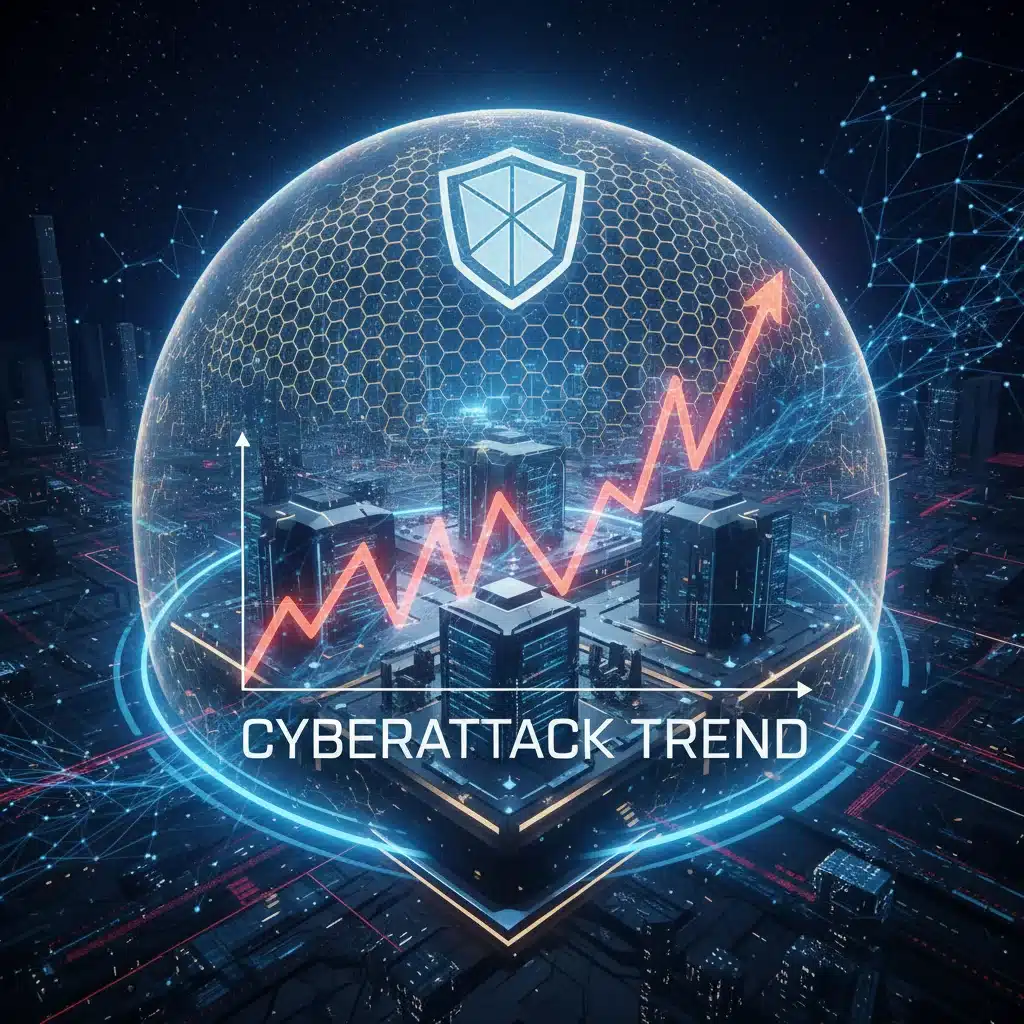
The digital landscape is evolving at an unprecedented pace, bringing with it both innovation and peril. As we look towards 2026, intelligence reports and expert analyses paint a stark picture: a projected 15% increase in cybersecurity attacks targeting federal agencies. This isn’t merely a statistic; it’s a clarion call for enhanced vigilance, strategic foresight, and robust defensive measures. The integrity of national security, economic stability, and public trust hinges on the ability of federal agencies to anticipate, adapt, and neutralize these escalating threats. This comprehensive article delves into the multifaceted challenges posed by this impending surge and, more importantly, outlines the proactive and innovative strategies federal agencies are deploying to fortify their digital perimeters.
Anúncios
The Escalating Threat Landscape: Why a 15% Increase?
Understanding the drivers behind the projected 15% increase in attacks is crucial for developing effective countermeasures. Several factors contribute to this grim forecast, creating a perfect storm for federal cybersecurity vulnerabilities.
Sophistication of Adversaries
State-sponsored actors, cybercriminal organizations, and even individual hacktivists are continuously refining their tactics, techniques, and procedures (TTPs). They leverage advanced persistent threats (APTs), zero-day exploits, and increasingly sophisticated social engineering schemes. The motivation behind these attacks varies from espionage and intellectual property theft to political disruption and financial gain. Federal agencies, with their vast repositories of sensitive data and critical infrastructure control, represent high-value targets.
Proliferation of Attack Vectors
The expansion of digital footprints across federal operations introduces new vulnerabilities. The adoption of cloud computing, the Internet of Things (IoT), and remote work environments has broadened the attack surface. Each new connection point, device, or service represents a potential entry point for malicious actors. Supply chain attacks, where adversaries compromise trusted third-party vendors, are also becoming more prevalent and difficult to detect.
Anúncios
AI and Automation in Cyber Warfare
The advent of artificial intelligence (AI) and machine learning (ML) is a double-edged sword. While these technologies offer immense potential for enhancing defensive capabilities, they are also being weaponized by attackers. AI-powered malware can adapt and evade detection, automate reconnaissance, and launch highly targeted phishing campaigns at scale, making traditional signature-based defenses less effective. This arms race in AI capabilities is a significant contributor to the escalating threat.
Geopolitical Tensions and Hybrid Warfare
Global geopolitical tensions often manifest in the cyber domain. Cyberattacks can be used as instruments of hybrid warfare, aiming to destabilize economies, disrupt critical services, or sow disinformation. Federal agencies, being integral to national governance and infrastructure, are frequently on the front lines of these digital skirmishes.
Federal Cybersecurity Response: A Multi-Layered Strategy
In the face of these formidable challenges, federal agencies are not standing idly by. They are implementing a comprehensive, multi-layered federal cybersecurity response strategy that encompasses technological advancements, policy reforms, workforce development, and enhanced collaboration.
Strengthening Foundational Security Controls
At the core of any robust defense are strong foundational security controls. Agencies are doubling down on implementing frameworks like the National Institute of Standards and Technology (NIST) Cybersecurity Framework and the Cybersecurity Maturity Model Certification (CMMC) for their supply chain. This includes:
- Identity and Access Management (IAM): Implementing multi-factor authentication (MFA) and zero-trust architectures to ensure that only authorized users and devices can access sensitive resources.
- Endpoint Detection and Response (EDR): Deploying advanced EDR solutions to continuously monitor and respond to threats on all endpoints, from servers to user workstations.
- Network Segmentation: Dividing networks into smaller, isolated segments to limit the lateral movement of attackers if a breach occurs.
- Regular Audits and Penetration Testing: Proactively identifying vulnerabilities through continuous security assessments and ethical hacking exercises.
Embracing Advanced Technologies for Defense
To combat AI-powered threats, federal agencies are increasingly turning to advanced technologies themselves.
AI and Machine Learning for Threat Detection
AI and ML are being integrated into Security Operations Centers (SOCs) to analyze vast amounts of data, identify anomalous behaviors, and detect threats that might elude human analysts. These systems can predict potential attack vectors, prioritize alerts, and automate initial responses, significantly reducing the time to detection and mitigation.
Quantum-Resistant Cryptography
The looming threat of quantum computing, capable of breaking current encryption standards, necessitates a shift towards quantum-resistant cryptography. Federal agencies are actively researching and piloting new cryptographic algorithms to secure sensitive data against future quantum attacks, ensuring long-term data confidentiality.
Blockchain for Data Integrity and Supply Chain Security
Blockchain technology, beyond cryptocurrencies, offers a decentralized and immutable ledger that can be leveraged for enhancing data integrity and securing supply chains. Federal agencies are exploring its use for verifying software provenance, tracking critical components, and ensuring the authenticity of digital records, thereby mitigating the risk of tampering and unauthorized modifications.
Policy Reforms and Regulatory Frameworks
Effective federal cybersecurity response also relies on a strong regulatory and policy foundation. The U.S. government has been proactive in issuing executive orders and directives aimed at bolstering cyber defenses.
Cybersecurity Executive Orders
Recent executive orders emphasize the importance of sharing threat intelligence, modernizing federal cybersecurity, and improving the nation’s ability to respond to incidents. These orders mandate specific actions, such as implementing zero-trust architectures and enhancing software supply chain security, pushing agencies towards a more unified and resilient posture.
Information Sharing and Analysis Centers (ISACs)
ISACs play a crucial role in fostering information sharing between government agencies and critical infrastructure sectors. By sharing real-time threat intelligence, vulnerabilities, and best practices, ISACs enable a collective defense mechanism, allowing agencies to learn from each other’s experiences and anticipate emerging threats more effectively.
Workforce Development and Talent Acquisition
Technology alone is insufficient without a skilled workforce to operate and manage it. The cybersecurity talent gap is a significant challenge, and federal agencies are implementing aggressive strategies to address it.
Training and Upskilling Programs
Extensive training programs are being rolled out to upskill existing federal employees in advanced cybersecurity techniques, incident response, and threat hunting. These programs often include certifications and continuous professional development to keep pace with the evolving threat landscape.
Recruitment Initiatives
Federal agencies are actively recruiting top cybersecurity talent from universities, the private sector, and the military. Initiatives include scholarships, internships, and competitive compensation packages to attract and retain highly skilled professionals. Specialized units focused on offensive and defensive cyber operations are also being expanded.

Enhanced Collaboration and Public-Private Partnerships
Cybersecurity is a collective responsibility. No single agency or sector can tackle the challenge in isolation. Collaboration is a cornerstone of the federal cybersecurity response.
Inter-Agency Cooperation
Agencies are breaking down silos and fostering greater collaboration through joint task forces, shared intelligence platforms, and coordinated incident response exercises. This ensures a unified front against common adversaries and facilitates the rapid dissemination of critical information.
Partnerships with the Private Sector
The private sector often leads in cybersecurity innovation and possesses deep expertise in specific threat areas. Federal agencies are forging stronger partnerships with technology companies, cybersecurity vendors, and academic institutions to leverage their expertise, share research, and co-develop advanced defensive solutions. These partnerships are vital for staying ahead of sophisticated threats.
International Cooperation
Given the global nature of cyber threats, international cooperation is paramount. Federal agencies are collaborating with allied nations to share threat intelligence, coordinate responses to cross-border attacks, and establish norms of responsible state behavior in cyberspace. This collective approach strengthens global cyber resilience.
Proactive Measures and Future Outlook
Beyond reactive defense, federal agencies are increasingly focusing on proactive measures to disrupt adversaries and build long-term resilience.
Threat Hunting and Adversary Emulation
Instead of waiting for an attack to occur, federal cybersecurity teams are actively engaging in threat hunting – proactively searching for hidden threats within their networks. Adversary emulation exercises simulate real-world attack scenarios to test defenses, identify weaknesses, and train response teams under realistic conditions.
Cyber Resilience and Recovery Planning
Recognizing that breaches are, to some extent, inevitable, agencies are prioritizing cyber resilience. This involves developing comprehensive incident response plans, robust backup and recovery strategies, and capabilities for rapid system restoration. The goal is not just to prevent attacks but to minimize their impact and ensure continuity of essential services even in the event of a successful breach.
Investing in Research and Development
Continuous investment in cybersecurity research and development (R&D) is critical. This includes funding for projects focused on next-generation security technologies, behavioral analytics, secure hardware design, and novel approaches to threat intelligence. Federal agencies are often at the forefront of this innovation, driving advancements that benefit both government and the private sector.
Public Awareness and Education
Human error remains a significant factor in many successful cyberattacks. Federal agencies are enhancing public awareness campaigns and employee training to educate individuals about common cyber threats like phishing, social engineering, and safe online practices. A well-informed populace is an additional layer of defense against malicious actors targeting the broader ecosystem that interacts with federal systems.
Challenges on the Horizon
Despite these robust efforts, significant challenges remain. The sheer volume and velocity of attacks, the constantly evolving nature of threats, and the persistent talent gap will continue to test the limits of federal cybersecurity capabilities. Budgetary constraints, the complexity of legacy systems, and the need for seamless integration across diverse agency environments also present ongoing hurdles. Furthermore, the ethical implications of AI in cybersecurity, balancing surveillance with privacy, and the potential for unintended consequences of advanced defensive tools require careful consideration and continuous policy refinement.
Conclusion
The projected 15% increase in cybersecurity attacks by 2026 underscores the critical importance of a proactive and adaptable federal cybersecurity response. Federal agencies are rising to this challenge with a comprehensive strategy that integrates cutting-edge technology, robust policy frameworks, continuous workforce development, and extensive collaboration. While the digital battlefield will undoubtedly become more complex, the commitment to safeguarding national assets and maintaining public trust remains unwavering. By staying ahead of adversaries, fostering innovation, and building a collective defense, federal agencies are not just preparing for the future; they are actively shaping a more secure digital landscape for the nation.
The journey towards absolute cyber resilience is continuous, requiring perpetual vigilance and adaptation. The strategies outlined herein represent a dynamic and evolving commitment to protecting the digital foundations of our federal government against an ever-more sophisticated array of threats.
Autor