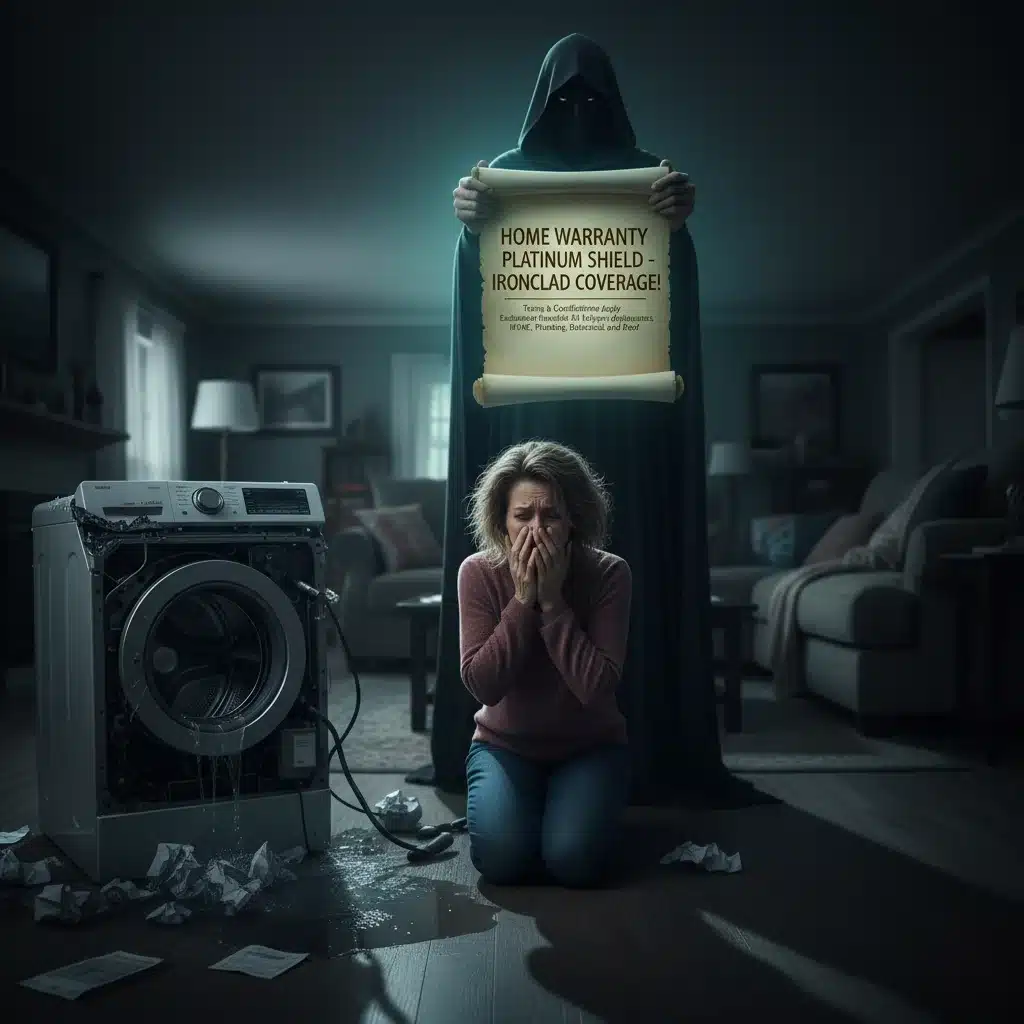
In the dynamic world of homeownership, a home warranty can seem like a beacon of financial security, offering peace of mind against unexpected appliance breakdowns and system failures. However, as with any industry involving significant financial commitments, the home warranty sector is not immune to fraudulent practices. As we navigate 2026, understanding how to identify and avoid home warranty scams is more crucial than ever. This comprehensive guide will equip you with the knowledge to protect your investment and ensure you choose a legitimate and reliable home warranty provider.
Anúncios
The promise of a home warranty is enticing: a single annual fee covers the repair or replacement of major home systems and appliances that fail due to normal wear and tear. This can be a significant advantage, especially for new homeowners or those with older homes. Yet, the very appeal of these policies makes them a fertile ground for unscrupulous companies. These entities often prey on homeowners’ desire for security, using deceptive marketing, opaque contracts, and outright fraudulent practices to extract money without delivering on their promises.
The landscape of home warranty scams is constantly evolving, with fraudsters employing increasingly sophisticated methods. From high-pressure sales tactics to misleading advertising and convoluted claims processes, the warning signs can be subtle yet devastating. Protecting your home and your finances starts with education and vigilance. By understanding the common red flags and proactive steps you can take, you can confidently navigate the home warranty market and make an informed decision.
Understanding the Home Warranty Landscape in 2026
Before diving into the specifics of home warranty scams, it’s essential to grasp the fundamental nature of legitimate home warranties. A home warranty is a service contract that covers the repair or replacement of major home systems and appliances for a specific period, typically one year. It’s distinct from homeowners’ insurance, which covers damage from perils like fire, theft, or natural disasters. Home warranties, conversely, focus on the functional aspects of your home due to everyday use.
Anúncios
In 2026, the home warranty market is characterized by a wide array of providers, offering various plans with different coverage levels, deductibles (or service call fees), and annual premiums. The industry is largely unregulated at the federal level, with oversight primarily falling to state insurance departments or consumer protection agencies. This fragmented regulatory environment can create loopholes that fraudulent companies exploit, making it imperative for consumers to exercise due diligence.
Legitimate home warranty companies operate transparently, clearly outlining what is covered, what is excluded, and the process for filing claims. They have established networks of qualified service technicians and a track record of fulfilling their contractual obligations. Unfortunately, the presence of these reputable companies often provides a veneer of legitimacy that scammers try to mimic, making the distinction challenging for an unsuspecting homeowner.
The digital age has also transformed how these services are marketed. While it offers convenience, it also provides avenues for deceptive practices. Online advertisements, unsolicited emails, and aggressive telemarketing calls are common channels through which both legitimate and fraudulent companies reach out to potential customers. Therefore, a critical first step in avoiding home warranty scams is to approach all unsolicited offers with a healthy dose of skepticism.
Common Red Flags of Home Warranty Scams
Identifying a scam often comes down to recognizing specific warning signs. Here are some of the most common red flags associated with home warranty scams that homeowners should be acutely aware of in 2026:
1. Unsolicited and Aggressive Marketing
Legitimate companies market their services, but scammers often rely on high-pressure, unsolicited tactics. Beware of:
- Robocalls and Spam Emails: If you receive numerous unsolicited calls or emails, especially if they sound urgent or threatening (e.g., claiming your existing warranty is expiring when you don’t have one), it’s a major red flag.
- Door-to-Door Sales: While less common for home warranties, any uninvited salesperson pushing for an immediate decision should raise suspicion.
- Misleading Mailers: Some scams involve official-looking mailers that mimic government agencies or your current mortgage lender, designed to trick you into thinking you have an expiring warranty that needs renewal.
2. Promises That Seem Too Good to Be True
Scammers often lure victims with unbelievably generous offers:
- All-Inclusive Coverage for a Low Price: Be wary of policies that claim to cover everything with no exclusions for a price significantly lower than competitors. Comprehensive coverage typically comes with a higher premium.
- Guaranteed Approvals Without Inspection: While most home warranties don’t require an initial home inspection, legitimate companies still have terms regarding pre-existing conditions. Scammers might promise coverage for anything and everything, regardless of condition.
- Lifetime Warranties: A “lifetime warranty” for a home system or appliance from a third-party provider is highly unusual and often a deceptive marketing ploy.
3. Lack of Transparency and Vague Contract Terms
A legitimate home warranty contract should be clear, detailed, and easy to understand. Scammers, however, thrive on ambiguity:
- Vague Coverage Details: The contract might use broad language without specifying what exactly is covered or, more importantly, what is excluded.
- Hidden Fees: Look for clauses about excessive service call fees, cancellation fees, or administrative charges that aren’t clearly disclosed upfront.
- No Sample Contract Available: Reputable companies will provide a sample contract for review before you commit. If a company refuses or makes it difficult to obtain, proceed with extreme caution.
4. Pressure to Act Immediately
Scammers often create a false sense of urgency to prevent you from doing your research:
- Limited-Time Offers: Phrases like “Act now or lose this incredible deal!” are classic scammer tactics.
- Demanding Immediate Payment: Be suspicious if they push you to pay over the phone with unconventional methods or refuse to send a detailed invoice.
5. Poor Online Reviews and Regulatory Complaints
The internet is a powerful tool for consumer protection:
- Numerous Negative Reviews: Check independent review sites (BBB, Trustpilot, Google Reviews) for patterns of complaints regarding denied claims, slow service, or difficulty contacting customer support.
- Government Warnings: Look for alerts or warnings from state Attorney Generals’ offices or consumer protection agencies.
- Lack of Online Presence: While not always a scam indicator, a legitimate company typically has a professional website, clear contact information, and an online presence.
6. Unusual Payment Methods
Legitimate companies use standard payment processing. Be suspicious of requests for:
- Wire Transfers or Gift Cards: These are almost always signs of a scam, as they are untraceable.
- Cash Payments: Avoid any company that insists on cash payments without a clear, verifiable receipt.
How Home Warranty Scams Operate: Deceptive Tactics Explained
Understanding the specific tactics employed by fraudsters can further fortify your defenses against home warranty scams. These tactics often exploit common consumer vulnerabilities:
The “Expired Warranty” Ploy
This is one of the most prevalent home warranty scams. You receive a mailer, email, or phone call stating that your home warranty is about to expire, urging you to renew immediately. The catch? You never had a warranty with them in the first place, or the notice is designed to look like it’s from your mortgage company or a legitimate provider when it isn’t. The goal is to panic you into signing up for a new, often overpriced and inadequate, plan.
The “Too Good to Be True” Coverage
Scammers will advertise incredibly broad coverage at an unbelievably low price. They might promise to cover everything from your roof to your foundation, all major appliances, and systems, with no deductibles or service fees. Once you’ve paid, you’ll find the contract is riddled with exclusions, limitations, and loopholes that make it nearly impossible to get a claim approved. The low upfront cost is a bait to get you to sign on the dotted line.
The “Phantom Company” or “Shell Company”
Some home warranty scams involve companies that have a minimal or non-existent operational structure. They collect your premiums but have no network of technicians or intention of fulfilling claims. When you try to file a claim, you’ll encounter endless delays, unreturned calls, or discover the company has vanished entirely. These companies often operate under multiple names, making them hard to track.
The “Never-Ending Repair” Loop
In this scenario, a scammer might approve a claim but then send unqualified technicians who repeatedly attempt to fix an issue without success, or worse, cause further damage. Each visit might incur a service fee, racking up costs while your appliance or system remains broken. The goal is to exhaust your patience and your funds, ultimately forcing you to give up on the claim or pay for a new repair out of pocket.
The “Pre-Existing Condition” Excuse
While legitimate home warranty companies have clauses about pre-existing conditions, scammers use this as a blanket excuse to deny almost all claims. Even if the issue wasn’t apparent when the policy started, they will retroactively claim it was a pre-existing condition, leaving you without coverage. They might also require extensive documentation that is difficult or impossible to provide.
Protecting Your Investment: Proactive Steps Against Home Warranty Scams
Armed with the knowledge of red flags and scam tactics, you can take several proactive steps to safeguard your investment and avoid falling victim to home warranty scams.
1. Do Thorough Research
This is perhaps the most critical step. Never sign up for a home warranty without comprehensive research:
- Check Reputable Review Sites: Consult the Better Business Bureau (BBB), Trustpilot, Consumer Reports, and other independent review platforms. Pay attention to complaint patterns and how companies respond.
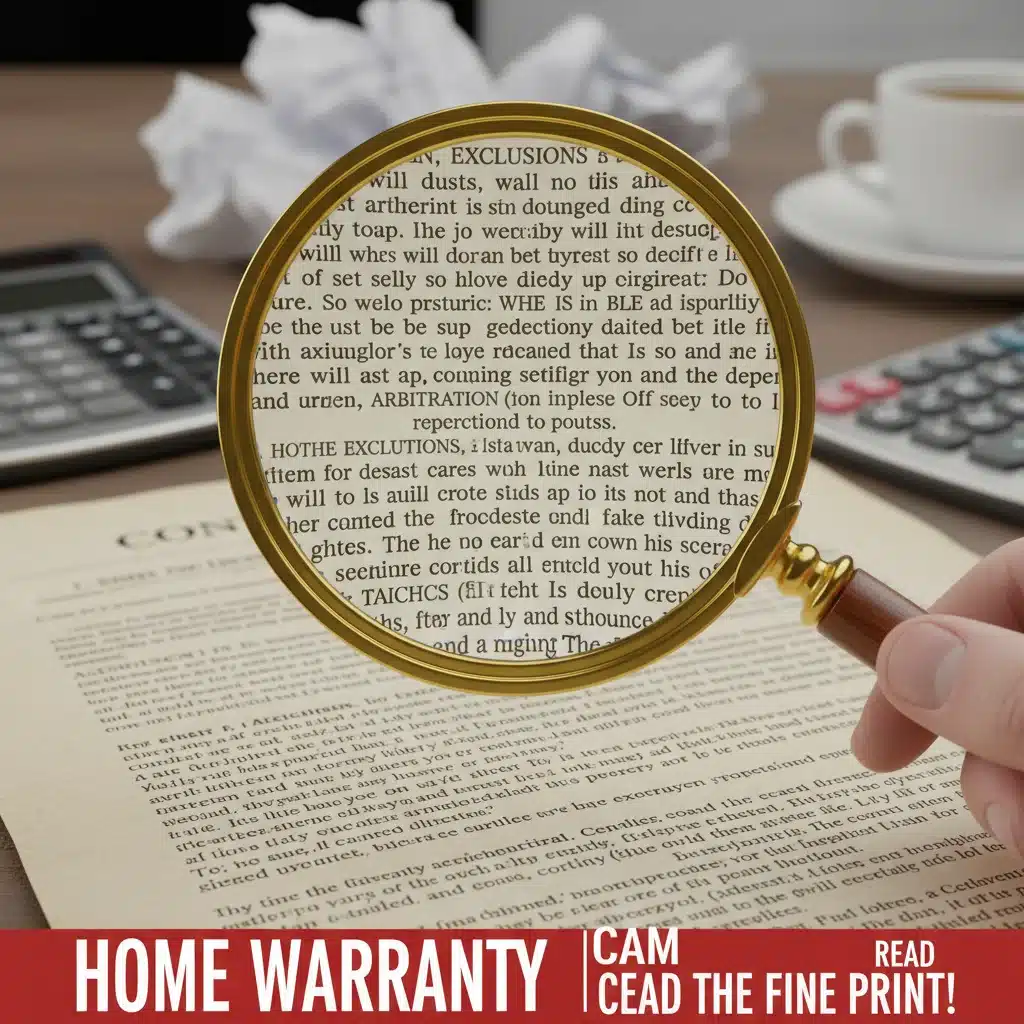
- Read the Fine Print: Request a sample contract and read every word. Understand what is covered, what is excluded, the service call fee, cancellation policy, and claim limits. Don’t be afraid to ask questions.
- Verify Licensing and Registration: Check with your state’s Attorney General’s office or consumer protection agency to see if the company is properly registered and if there are any complaints or enforcement actions against them.
- Compare Multiple Providers: Get quotes and compare coverage from at least three different reputable home warranty companies. This helps you understand market rates and typical coverage.
2. Be Wary of Unsolicited Communications
Treat any unsolicited calls, emails, or mailers with extreme caution. If you receive a notice about an expiring warranty you don’t recognize, don’t call the number provided. Instead, directly contact your mortgage lender or known home warranty provider using their official contact information to verify. Never give out personal or financial information to unknown callers.
3. Understand What a Home Warranty Covers (and Doesn’t)
Educate yourself on the general scope of home warranties. Most cover systems like HVAC, plumbing, electrical, and appliances like refrigerators, dishwashers, and ovens. They typically do NOT cover pre-existing conditions (unless explicitly stated and verified), structural issues, cosmetic damage, or items already covered by manufacturer warranties. Knowing these basics helps you spot exaggerated claims by scammers.
4. Prioritize Transparency and Clear Communication
A reputable company will be transparent about its terms, conditions, and processes. They should be able to clearly answer all your questions without hesitation or evasiveness. Be wary of companies that use overly complex jargon without explanation or seem reluctant to provide detailed information in writing.
5. Document Everything
Keep meticulous records of all communications, contracts, payments, and claim filings. If you do proceed with a home warranty, ensure you have a copy of the signed contract and any amendments. This documentation will be invaluable if you need to dispute a claim or report a fraudulent company.
6. Review Payment Practices
Always pay by credit card if possible, as credit card companies often offer more robust fraud protection than debit cards or other payment methods. Be suspicious of requests for wire transfers, gift cards, or cash. Ensure that the payment process is secure and that you receive a clear receipt.
7. Trust Your Gut
If something feels off, it probably is. If a deal seems too good to be true, if the salesperson is overly aggressive, or if the company’s online presence is minimal or suspicious, it’s best to walk away. Your intuition can be a powerful tool in avoiding home warranty scams.
What to Do if You Suspect a Home Warranty Scam
Even with the best precautions, it’s possible to encounter or fall victim to a home warranty scam. If you suspect you’ve been targeted or defrauded, take immediate action:
1. Gather All Documentation
Collect all relevant information: contract copies, emails, call logs, payment receipts, and any other communication with the company.
2. Contact Your Bank or Credit Card Company
If you’ve made a payment, contact your financial institution immediately to report the fraudulent charge and inquire about dispute options. Time is often of the essence for chargebacks.
3. File a Complaint
- Federal Trade Commission (FTC): The FTC collects complaints about deceptive business practices. File a complaint at reportfraud.ftc.gov.
- State Attorney General’s Office: Your state’s Attorney General is responsible for consumer protection. File a complaint with their office.
- Better Business Bureau (BBB): File a complaint with the BBB. While not a regulatory body, the BBB can help mediate disputes and publicly document complaints, warning other consumers.
- Consumer Financial Protection Bureau (CFPB): If the scam involves financial products or services, the CFPB might be another avenue for complaint.
4. Warn Others
Share your experience on trusted review sites and social media platforms to alert other potential victims. This can be a powerful way to prevent others from falling for the same scam.
5. Seek Legal Advice (If Necessary)
For significant financial losses, consider consulting with an attorney specializing in consumer protection law. They can advise you on your legal options.
The Future of Home Warranty Protection and Scams in 2026 and Beyond
As technology advances, so too do the methods of scammers. In 2026 and the years to come, we can expect home warranty scams to become even more sophisticated. Artificial intelligence (AI) could be used to generate highly personalized and convincing deceptive communications, making it harder to distinguish between legitimate offers and fraudulent ones. Deepfake technology might even be employed to create fake testimonials or representative videos.
However, the tools for consumer protection are also evolving. Enhanced AI-powered spam filters, more robust online review verification systems, and improved collaboration between consumer protection agencies will play crucial roles. Homeowners will need to remain vigilant, continuously educating themselves on emerging threats and best practices for online safety and financial security.
The emphasis will continue to be on proactive education. Industry leaders, consumer advocacy groups, and governmental bodies will need to work together to disseminate information effectively, helping homeowners make informed choices. The goal is to create a market where legitimate providers can thrive, and fraudulent actors are quickly identified and shut down.
For homeowners, this means cultivating a habit of critical thinking and skepticism, especially when dealing with unsolicited offers. It also means relying on trusted sources for information and taking the time to thoroughly vet any company before committing to a contract. Investing in a home warranty should bring peace of mind, not financial distress, and by staying informed, you can ensure your investment is truly protected.
Conclusion: Safeguarding Your Home from Home Warranty Scams
A home warranty can be a valuable asset for homeowners, providing essential protection against the high costs of unexpected repairs. However, the presence of home warranty scams necessitates a cautious and informed approach. In 2026, recognizing the red flags of aggressive marketing, vague contracts, and unrealistic promises is paramount.

By conducting thorough research, understanding the terms of your contract, and being wary of unsolicited communications, you can significantly reduce your risk of falling victim to deceptive practices. Remember, a legitimate company will always prioritize transparency and allow you ample time to make an informed decision. If you encounter what you suspect to be a scam, report it to the relevant authorities to protect yourself and others.
Ultimately, safeguarding your home and your financial well-being from home warranty scams boils down to empowerment through knowledge. Be informed, be vigilant, and choose wisely. Your peace of mind, and your investment, depend on it.