Identity Theft Protection: 4 Essential Steps to Take Immediately in 2026
Anúncios
Identity Theft Protection: 4 Essential Steps to Take Immediately in 2026
In an increasingly digital world, the threat of identity theft looms larger than ever. As we navigate 2026, cybercriminals are becoming more sophisticated, employing advanced tactics to compromise personal information. The consequences of identity theft can be devastating, ranging from financial ruin and damaged credit scores to emotional distress and a lengthy recovery process. This is why proactive identity theft protection is not just recommended; it’s absolutely essential. This comprehensive guide will walk you through four critical steps you must take immediately to safeguard your identity in 2026.
Understanding the landscape of identity theft is the first step towards effective protection. Identity theft occurs when someone uses your personal identifying information, like your name, Social Security number, or credit card number, without your permission, to commit fraud or other crimes. This can manifest in various forms: financial identity theft, medical identity theft, child identity theft, and even criminal identity theft. The digital age, with its interconnectedness and vast data repositories, provides ample opportunities for these criminals. Therefore, implementing robust identity theft protection strategies is paramount.
Anúncios
The year 2026 brings with it new technological advancements, and unfortunately, new vulnerabilities. Artificial intelligence (AI) and machine learning (ML) are being leveraged by both cybersecurity professionals and malicious actors. Deepfakes, advanced phishing schemes, and sophisticated malware are just a few examples of the evolving threats. This article is designed to equip you with the knowledge and actionable steps to build a formidable defense against these modern challenges. Let’s dive into the four essential steps for immediate identity theft protection.
Step 1: Fortify Your Digital Defenses with Strong Passwords and Multi-Factor Authentication (MFA)
Your online accounts are the gateways to your personal information. Weak or reused passwords are an open invitation for cybercriminals. In 2026, it’s no longer enough to have a complex password; you need a strategy for managing them and an additional layer of security. This is the cornerstone of effective identity theft protection.
Anúncios
The Power of Strong, Unique Passwords
A strong password is at least 12 characters long, a mix of uppercase and lowercase letters, numbers, and symbols. Avoid using easily guessable information like birthdays, pet names, or common phrases. The biggest mistake people make is reusing the same password across multiple accounts. If one service is breached, all your accounts become vulnerable. Imagine having one key that opens your house, your car, your office, and your safe deposit box – if that key is compromised, everything is at risk. The same principle applies to your digital life.
To manage numerous strong, unique passwords, a reputable password manager is indispensable. Password managers encrypt and store your passwords securely, allowing you to access them with a single master password. Many also offer features like password generation and automatic filling, making your online experience both secure and convenient. Popular options include LastPass, 1Password, Bitwarden, and Dashlane. Investing in a good password manager is a critical component of your identity theft protection toolkit.
Embrace Multi-Factor Authentication (MFA)
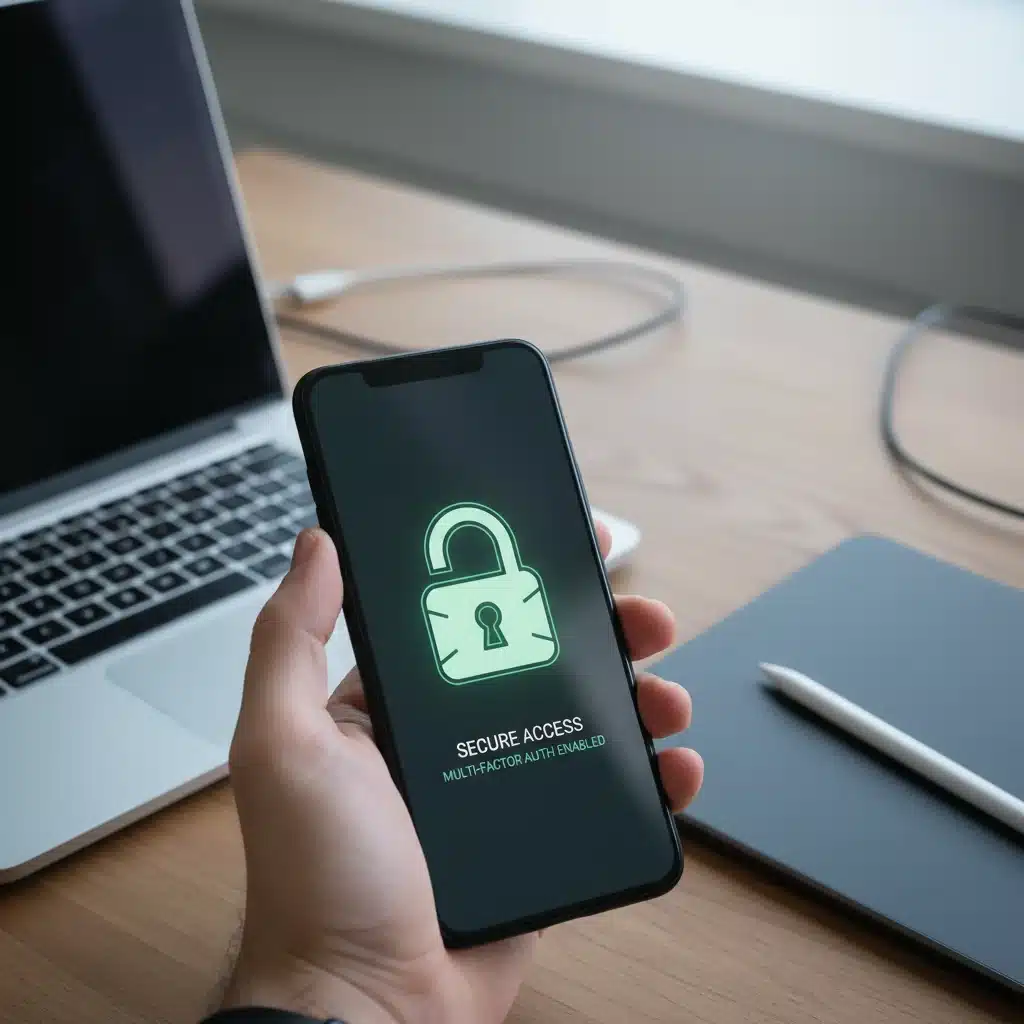
Even the strongest password can be compromised through phishing or data breaches. Multi-Factor Authentication (MFA), sometimes referred to as two-factor authentication (2FA), adds a crucial second layer of security. MFA requires you to provide two or more verification factors to gain access to an account. These factors typically fall into three categories:
- Something you know: A password or PIN.
- Something you have: A physical token, a smartphone (for a code via SMS or an authenticator app), or a security key.
- Something you are: A biometric scan, like a fingerprint or facial recognition.
For optimal identity theft protection, prioritize authenticator apps (e.g., Google Authenticator, Authy) or physical security keys (e.g., YubiKey) over SMS-based MFA. SMS codes can be intercepted through SIM-swapping attacks. Whenever an online service offers MFA, enable it without hesitation. It’s an inconvenience that pays dividends in security.
Regularly Update Software and Operating Systems
Software vulnerabilities are a primary target for cybercriminals. Developers constantly release updates and patches to fix security flaws. By keeping your operating systems, web browsers, antivirus software, and all other applications up to date, you ensure you have the latest security protections. Enable automatic updates whenever possible to avoid missing critical patches. This seemingly simple act is a powerful form of identity theft protection.
Step 2: Vigilantly Monitor Your Financial Accounts and Credit Reports
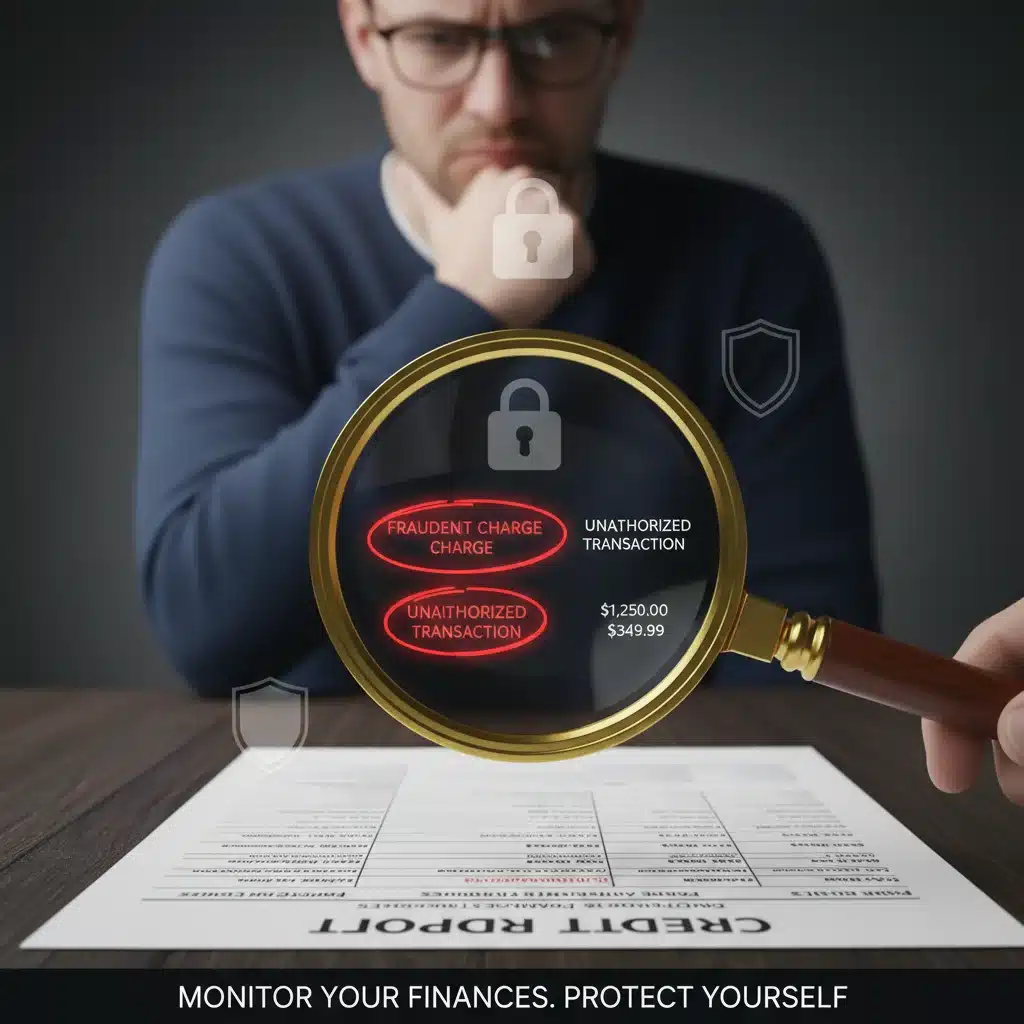
Early detection is key to minimizing the damage of identity theft. Many victims only discover they’ve been compromised months after the fact, when fraudulent charges or new accounts have already accumulated. Regular and thorough monitoring of your financial activities and credit reports is an indispensable aspect of identity theft protection.
Daily Scrutiny of Bank and Credit Card Statements
Make it a habit to check your bank and credit card statements frequently, ideally daily or every few days, through online banking portals or mobile apps. Look for any unfamiliar transactions, no matter how small. Even a tiny, unauthorized charge could be a test run by a thief to see if an account is active before making larger purchases. Report any suspicious activity to your financial institution immediately. Prompt action can often prevent further fraud and ensures you’re not held liable for unauthorized charges. This proactive approach significantly strengthens your identity theft protection.
Regular Credit Report Reviews
Your credit report is a comprehensive record of your borrowing history, including all your credit accounts, payment history, and public records like bankruptcies. Identity thieves often open new lines of credit in your name. By regularly reviewing your credit reports, you can spot these fraudulent accounts. In the United States, you are entitled to a free credit report from each of the three major credit bureaus (Equifax, Experian, and TransUnion) once every 12 months via AnnualCreditReport.com. In 2026, consider staggering your requests so you can review one report every four months, providing continuous oversight. Look for:
- Accounts you didn’t open.
- Inquiries you didn’t authorize.
- Incorrect personal information.
- Unfamiliar addresses or employers.
If you find any discrepancies, dispute them with the credit bureau and the creditor immediately. This is a critical step in effective identity theft protection.
Consider Credit Monitoring and Freezing
For enhanced identity theft protection, consider subscribing to a credit monitoring service. These services alert you to significant changes in your credit report, such as new accounts being opened, changes in personal information, or large inquiries. While not a replacement for your own vigilance, they provide an extra layer of security and convenience.
Even more robust is a credit freeze (also known as a security freeze). A credit freeze restricts access to your credit report, making it difficult for identity thieves to open new accounts in your name. While you’ll need to temporarily lift the freeze when applying for new credit, it’s a powerful tool for preventing new account fraud. In many countries, placing and lifting a credit freeze is free of charge. This is a highly recommended measure for comprehensive identity theft protection.
Step 3: Be Wary of Phishing, Scams, and Public Wi-Fi
Human error remains one of the weakest links in the security chain. Identity thieves exploit trust, fear, and curiosity through various social engineering tactics. Being aware of common scams and practicing safe online habits are crucial elements of identity theft protection.
Recognize and Avoid Phishing Attempts
Phishing is a deceptive practice where criminals attempt to trick you into revealing sensitive information by impersonating legitimate entities (banks, government agencies, popular websites, etc.) through emails, text messages (smishing), or phone calls (vishing). In 2026, phishing attacks are increasingly sophisticated, often using personalized details to appear more credible. Always be skeptical of unsolicited communications that:
- Request personal information (passwords, Social Security numbers, credit card details). Legitimate organizations will rarely ask for this via email or text.
- Contain urgent or threatening language, demanding immediate action.
- Have grammatical errors, typos, or unusual formatting.
- Include suspicious links or attachments. Hover over links to see the actual URL before clicking, and never open attachments from unknown senders.
If you suspect a phishing attempt, do not click, reply, or call any numbers provided. Instead, directly contact the organization using a verified phone number or website. This vigilance is a key behavior for strong identity theft protection.
Exercise Caution with Public Wi-Fi
Public Wi-Fi networks in cafes, airports, and hotels are convenient, but they are often unsecured and can be easily exploited by cybercriminals. An attacker on the same network can intercept your data, including login credentials and personal information, through a ‘man-in-the-middle’ attack. To protect your identity theft protection while using public Wi-Fi:
- Use a Virtual Private Network (VPN): A VPN encrypts your internet connection, creating a secure tunnel for your data, even on an unsecured public network.
- Avoid sensitive transactions: Refrain from online banking, shopping, or accessing personal accounts that require login credentials when connected to public Wi-Fi.
- Ensure websites use HTTPS: Always look for ‘https://’ in the URL and a padlock icon in your browser, indicating a secure, encrypted connection.
Be Mindful of Information Sharing
In the age of social media, it’s easy to overshare. Be cautious about the personal information you post online. Birth dates, addresses, pet names, and even vacation plans can be used by identity thieves to answer security questions or determine when your home might be empty. Adjust privacy settings on all your social media accounts to limit who can see your information. Remember, every piece of information you share online can potentially be used against you, making careful sharing a vital part of identity theft protection.
Step 4: Secure Your Physical Documents and Devices
While digital threats dominate headlines, physical identity theft remains a significant concern. Your offline habits and the security of your physical possessions are just as important for comprehensive identity theft protection.
Shred Sensitive Documents
Don’t just throw away documents containing personal information like bank statements, credit card offers, utility bills, or medical records. Invest in a cross-cut shredder and destroy these documents before discarding them. Identity thieves often ‘dumpster dive’ for this information. Even seemingly innocuous documents can provide clues that help criminals piece together your identity. Proper disposal of physical documents is a fundamental, yet often overlooked, aspect of identity theft protection.
Protect Your Mail
Your mailbox can be a goldmine for identity thieves. If possible, use a locked mailbox. Collect your mail promptly, and if you’re going away, arrange for a mail hold with the postal service or have a trusted neighbor collect it. Be particularly vigilant around tax season when sensitive financial documents are often mailed. Consider opting for paperless statements and bills whenever possible to reduce the risk of mail theft.
Secure Your Devices
Your smartphone, laptop, and tablet are repositories of vast amounts of personal data. Losing one of these devices, or having it stolen, can lead to severe identity theft if not properly secured. Always:
- Use screen locks: Enable strong PINs, passwords, fingerprints, or facial recognition for immediate screen locking on all your devices.
- Encrypt your data: Many modern devices offer full-disk encryption. Enable this feature to protect your data if the device falls into the wrong hands.
- Enable remote wipe/locate features: Services like Apple’s Find My or Google’s Find My Device allow you to locate, lock, or even remotely wipe your device if it’s lost or stolen, preventing data access.
- Back up your data: Regularly back up your important data to a secure cloud service or external hard drive. This won’t prevent identity theft, but it will help you recover lost information if a device is compromised.
These physical security measures are just as vital as digital ones for complete identity theft protection.
What to Do If You Suspect Identity Theft
Despite your best efforts, identity theft can still occur. Knowing what to do immediately can significantly mitigate the damage. This rapid response is another layer of your identity theft protection strategy.
- Place a Fraud Alert: Contact one of the three major credit bureaus (Equifax, Experian, or TransUnion) to place an initial 90-day fraud alert on your credit file. This alert requires businesses to verify your identity before extending credit, making it harder for thieves to open new accounts. The bureau you contact is required to notify the other two.
- Contact Creditors and Banks: Immediately inform any financial institutions where fraudulent activity has occurred. Close affected accounts and open new ones.
- File a Police Report: File a police report with your local law enforcement agency. This report can be crucial for disputing fraudulent charges and proving to creditors that you are a victim, not a perpetrator.
- Report to the FTC: In the U.S., report the identity theft to the Federal Trade Commission (FTC) at IdentityTheft.gov. They will provide you with a personalized recovery plan and an Identity Theft Report, which is an official document you can use with creditors and credit bureaus.
- Change All Affected Passwords: Change passwords for all compromised accounts and any accounts that share the same password.
The Future of Identity Theft Protection in 2026 and Beyond
As technology evolves, so too do the methods of identity theft. Looking ahead, we can expect a greater emphasis on biometric authentication, blockchain-based identity solutions, and AI-driven threat detection systems. While these technologies promise enhanced security, they also introduce new challenges and require continuous adaptation of our identity theft protection strategies.
Staying informed about the latest threats and protection methods is not a one-time task but an ongoing commitment. Regularly review and update your security practices. Educate your family members, especially children and elderly relatives, who may be more vulnerable to scams. The collective effort to build a more secure digital environment benefits everyone.
Conclusion: Your Proactive Shield Against Identity Theft
Identity theft is a persistent and evolving threat in 2026. However, by taking these four essential steps immediately – fortifying your digital defenses, vigilantly monitoring your financial accounts and credit reports, being wary of phishing and public Wi-Fi, and securing your physical documents and devices – you can significantly reduce your risk. Proactive identity theft protection is your most powerful weapon against cybercriminals.
Don’t wait until you become a victim. Implement these strategies today to safeguard your personal information, protect your financial well-being, and maintain your peace of mind in an increasingly complex digital world. Your identity is invaluable; protect it fiercely.
Autor