Immigration Reform 2026: Legislative Proposals & Outcomes

Anúncios
Immigration Reform in 2026: Analyzing the Latest Legislative Proposals and Their Potential Outcomes
The landscape of immigration policy is perpetually shifting, a complex tapestry woven from economic imperatives, humanitarian concerns, political ideologies, and societal needs. As we look towards 2026, the discussion around immigration reform 2026 is already gaining momentum, with various legislative proposals beginning to take shape. Understanding these potential changes is crucial for policymakers, immigrants, businesses, and communities alike. This comprehensive analysis delves into the anticipated legislative proposals, their underlying motivations, and the far-reaching potential outcomes that could redefine the future of immigration.
Anúncios
For decades, the United States immigration system has been described as outdated and in need of significant overhaul. The last major legislative effort, the Immigration and Nationality Act of 1965, while transformative, could not foresee the complexities of the 21st century globalized world. Subsequent attempts at comprehensive reform have often faltered due to political polarization, leading to a patchwork of executive actions and incremental legislative adjustments. However, the pressing challenges—ranging from border security and undocumented populations to labor shortages and economic competitiveness—continue to fuel calls for a durable and comprehensive immigration reform 2026 agenda.
The Current State of Immigration and the Impetus for Change
Before examining future proposals, it’s essential to grasp the current state of affairs. The U.S. immigration system is characterized by:
Anúncios
- Backlogs: Millions of individuals, particularly in family-sponsored and employment-based categories, face decades-long waits for visas.
- Undocumented Population: An estimated 11 million undocumented immigrants reside in the U.S., many of whom have been in the country for years, contributing to the economy and society.
- Border Challenges: The southern border continues to be a focal point of debate, with ongoing issues related to migrant flows, asylum processing, and enforcement strategies.
- Labor Needs: Various sectors, from agriculture and construction to healthcare and technology, report significant labor shortages that could be addressed, in part, through a more efficient immigration system.
- Economic Contributions: Immigrants are vital to the U.S. economy, starting businesses at higher rates, filling critical jobs, and contributing to tax revenues.
These persistent issues underscore the urgent need for comprehensive immigration reform 2026. The discussions are not merely about policy tweaks but about fundamental structural changes that address these multifaceted challenges head-on.
Key Pillars of Anticipated Legislative Proposals for Immigration Reform 2026
While specific bills are still in their nascent stages, several core themes and policy areas are expected to form the bedrock of legislative proposals for immigration reform 2026. These include:
1. Border Security and Management
A perennial focus, proposals will likely include a multi-pronged approach to border security. This could involve increased funding for border patrol technologies, personnel, and infrastructure. However, a significant shift is anticipated towards more efficient and humane processing of asylum claims at the border, potentially including expanded regional processing centers and streamlined legal pathways. The goal is to balance enforcement with due process and humanitarian considerations, moving away from crisis management to a more sustainable system.
2. Pathways to Legal Status for Undocumented Immigrants
This is arguably the most contentious aspect of immigration reform 2026. There is growing recognition of the economic and social integration of many long-term undocumented residents. Proposals could range from targeted legalization programs for specific groups (e.g., Dreamers, agricultural workers, essential workers) to broader pathways to citizenship for those who meet certain criteria, such as continuous residence, tax payments, and clean criminal records. The debate will center on eligibility requirements, the scope of such programs, and whether they are tied to increased enforcement.
3. Reforming Legal Immigration Channels
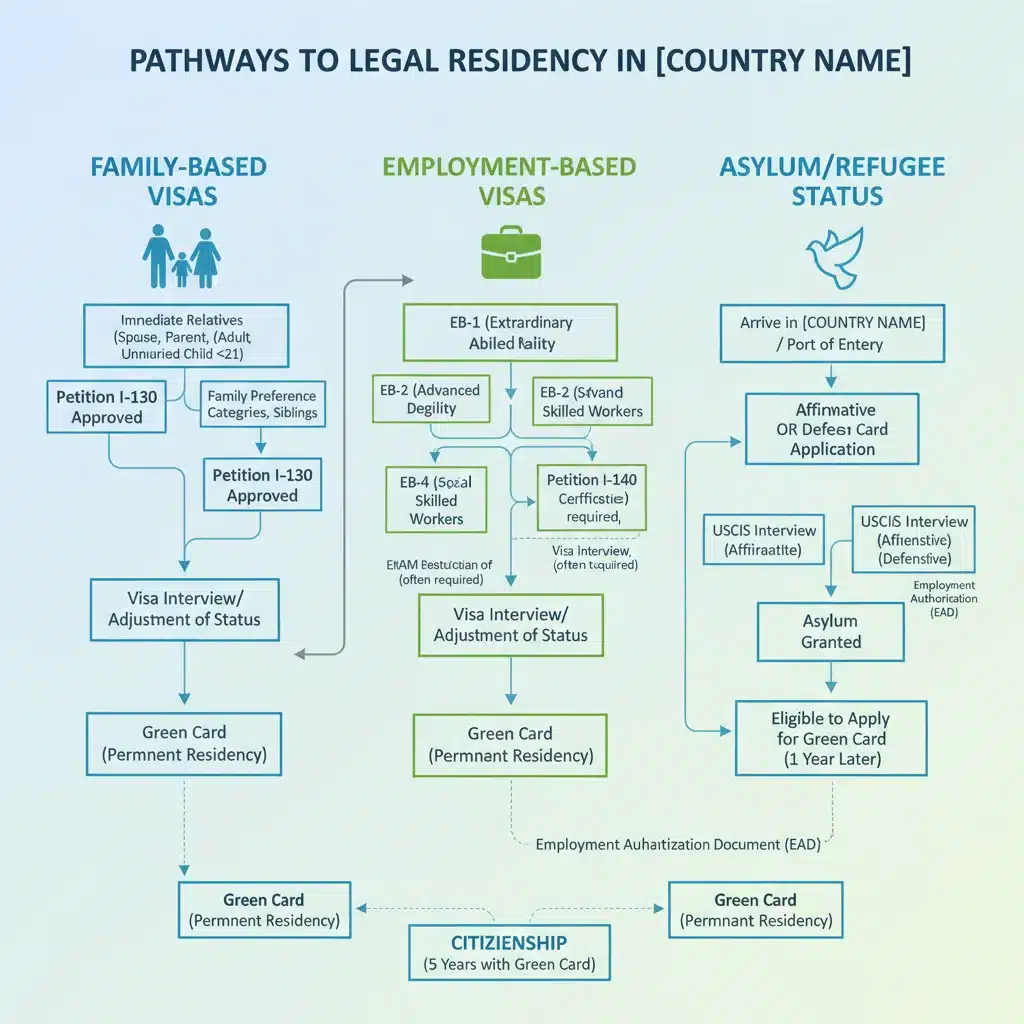
Many experts agree that the current legal immigration system is cumbersome and does not adequately meet the nation’s economic and social needs. Expected reforms include:
- Employment-Based Visas: Increasing the number of available visas, particularly for high-skilled workers (H-1B, O-1), and potentially creating new categories for essential workers in sectors facing shortages. There might also be efforts to ‘staple a green card’ to advanced STEM degrees from U.S. universities.
- Family-Based Visas: Addressing the extensive backlogs in family reunification categories, possibly by recalibrating per-country caps or increasing overall visa numbers.
- Diversity Visa Program: While sometimes debated, the Diversity Visa program is likely to remain, perhaps with modifications to ensure its effectiveness and fairness.
- Streamlining Processes: Modernizing visa application processes, reducing bureaucratic hurdles, and improving efficiency at consulates and immigration services.
4. Asylum and Refugee System Modernization
The current asylum system is under immense strain. Proposals for immigration reform 2026 will likely focus on creating a more efficient and equitable system for processing asylum claims. This could involve increasing the number of asylum officers, expanding legal aid services, and establishing clearer guidelines for eligibility. There’s also a strong push to enhance humanitarian protections and ensure timely processing for refugees fleeing persecution and conflict.
5. Interior Enforcement and Immigration Courts
Beyond border enforcement, legislative efforts may address interior enforcement strategies, moving towards more targeted approaches that prioritize national security threats and serious criminals, rather than broad-based deportations. Reforms to the immigration court system are also anticipated, aimed at reducing backlogs, ensuring judicial independence, and providing adequate resources for judges and legal representation.
Potential Outcomes and Impacts of Immigration Reform 2026
The outcomes of any significant immigration reform 2026 package will be profound and far-reaching, touching various facets of American life.
Economic Impacts
- GDP Growth: Legalizing undocumented workers and streamlining legal immigration can lead to significant increases in GDP. Immigrants are often entrepreneurial, filling labor gaps, and contributing to consumer demand.
- Fiscal Contributions: Increased tax revenues from newly legalized workers and a larger tax base.
- Labor Market Adjustments: Addressing labor shortages in key sectors, potentially leading to increased productivity and competitiveness. However, concerns about wage depression in some sectors will also need to be addressed through complementary policies.
- Innovation and Entrepreneurship: Immigrants disproportionately contribute to innovation and business creation, driving economic dynamism.
Social and Demographic Shifts
- Community Integration: Pathways to legal status can lead to greater social cohesion and integration of immigrant communities, reducing fear and fostering participation in civic life.
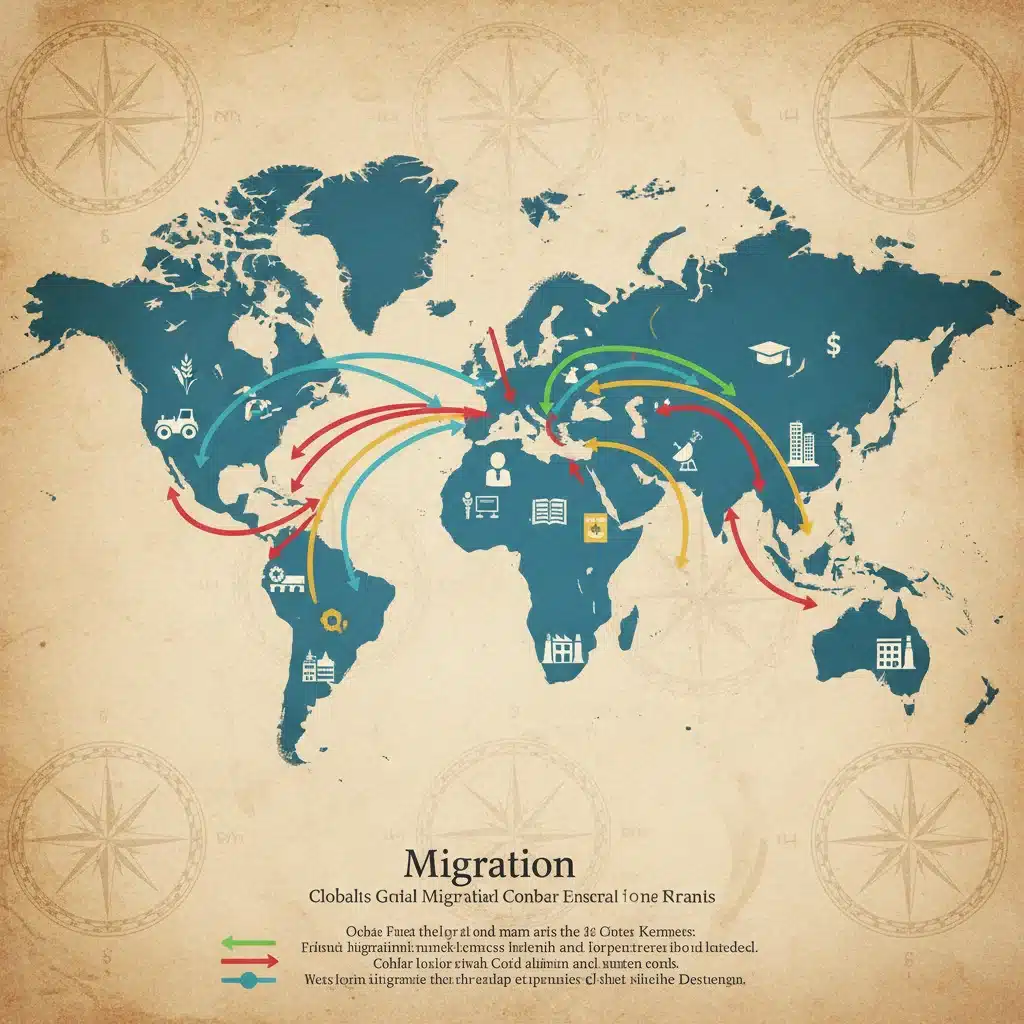
- Demographic Trends: Immigration is a critical factor in offsetting declining birth rates and an aging population, ensuring a younger workforce and a more dynamic society.
- Cultural Enrichment: Continued diversification of American culture through the contributions of new immigrant groups.
Political and Geopolitical Consequences
- Political Realignment: Immigration reform can significantly impact electoral politics, influencing voting patterns and party platforms.
- International Relations: A more stable and humane immigration system can enhance the U.S.’s standing on the global stage, particularly in its relationships with Latin American countries.
- Border Stability: Effective border management can reduce irregular migration flows and improve regional stability.
Challenges and Hurdles to Enacting Immigration Reform 2026
Despite the clear need, passing comprehensive immigration reform 2026 will be an arduous task, fraught with political and ideological challenges:
- Political Polarization: Immigration remains one of the most divisive issues in American politics. Bridging the gap between opposing viewpoints on border security versus legalization will require significant bipartisan compromise.
- Public Opinion: While there is often broad support for specific aspects of immigration reform (e.g., Dreamers), public opinion on comprehensive reform can be complex and easily swayed by rhetoric.
- Economic Concerns: Debates over the economic impact, particularly on native-born workers’ wages and employment, will persist.
- Enforcement vs. Legalization: Finding a politically palatable balance between enhanced enforcement measures and pathways to legal status is a perpetual challenge.
- Logistical Complexities: Implementing large-scale reforms, from processing millions of applications to overhauling existing bureaucracies, presents immense logistical hurdles.
To overcome these challenges, proponents of immigration reform 2026 will need to build broad coalitions, engage in extensive public education, and demonstrate the tangible benefits of a modernized immigration system for all Americans.
Case Studies and Historical Precedents
Examining past attempts at immigration reform can offer valuable lessons for immigration reform 2026. The Immigration Reform and Control Act (IRCA) of 1986, for instance, granted amnesty to nearly 3 million undocumented immigrants while also increasing border enforcement. While it aimed to solve the ‘undocumented problem’ of its time, it ultimately did not prevent the growth of the undocumented population, highlighting the need for a truly comprehensive approach that addresses both enforcement and legal pathways.
More recent efforts, such as the bipartisan ‘Gang of Eight’ bill in 2013, passed the Senate but failed in the House. This attempt included a pathway to citizenship for most undocumented immigrants, significant border security enhancements, and reforms to the legal immigration system. Its failure underscored the difficulty of achieving consensus, particularly when issues like border security become political bargaining chips rather than integrated solutions.
Learning from these historical precedents, any successful immigration reform 2026 package will likely need to be carefully crafted to address the concerns of various stakeholders, demonstrating clear benefits and compromises on all sides. The political will to move beyond incrementalism and embrace comprehensive change will be paramount.
The Role of Technology in Future Immigration Systems
Technology is poised to play an increasingly significant role in shaping immigration reform 2026. From advanced biometrics for border security to AI-powered processing of visa applications, technological innovations could streamline processes, enhance efficiency, and improve data accuracy. For example:
- Digital Application Platforms: Moving towards fully digital and integrated application systems for visas, asylum, and naturalization.
- Data Analytics: Utilizing big data to identify trends in migration, improve resource allocation, and detect potential security risks more effectively.
- Remote Processing: Expanding capabilities for remote interviews and virtual processing, particularly for humanitarian cases or those in remote locations.
- Blockchain for Credentials: Exploring blockchain technology to secure and verify educational and professional credentials of immigrants, simplifying recognition processes.
While technology offers immense potential for efficiency and security, it also raises important questions about privacy, data protection, and algorithmic bias. Any technological integration within immigration reform 2026 must be accompanied by robust ethical guidelines and oversight to ensure fairness and prevent discrimination.
Stakeholder Perspectives on Immigration Reform 2026
A successful immigration reform 2026 will require buy-in from a diverse array of stakeholders, each with their own priorities and concerns:
- Businesses: Often advocate for increased employment-based visas to address labor shortages and maintain competitiveness, particularly in STEM fields and agriculture.
- Labor Unions: Seek protections for both native-born and immigrant workers, ensuring fair wages and working conditions, and often support pathways to legal status to prevent exploitation.
- Immigrant Advocates: Focus on humanitarian concerns, family reunification, protection for vulnerable populations, and comprehensive pathways to citizenship.
- National Security Agencies: Prioritize robust border security, vetting processes, and intelligence sharing to prevent threats.
- State and Local Governments: Deal directly with the impacts of immigration, from providing social services to managing local economies, and often advocate for federal funding and clear policy guidance.
Navigating these varied interests to find common ground will be a defining feature of the legislative process for immigration reform 2026. Consensus-building, rather than partisan entrenchment, will be the key to progress.
Looking Ahead: The Path to Immigration Reform 2026
The journey to comprehensive immigration reform 2026 is complex and uncertain. It will require not only political courage and bipartisan cooperation but also a fundamental shift in how immigration is discussed and perceived. Moving beyond rhetoric to evidence-based policy, acknowledging the economic and social contributions of immigrants, and designing a system that is both secure and humane are critical steps.
While the specific contours of legislative proposals for immigration reform 2026 will continue to evolve, the underlying pressures for change remain strong. The next few years will be crucial in shaping a system that can effectively meet the challenges and harness the opportunities presented by global migration in the 21st century. Stakeholders must remain engaged, advocating for reforms that reflect national values and serve long-term interests.
In conclusion, immigration reform 2026 is not just a policy debate; it is a critical juncture for the nation’s future. The decisions made in the coming years will have lasting implications for the economy, society, and America’s role in the world. Staying informed, participating in the dialogue, and understanding the nuances of proposed legislation are essential for anyone invested in a functional and fair immigration system.
Autor