Navigating the 2026 Farm Bill: Subsidies, Conservation, and Future Agriculture

Anúncios
The agricultural landscape of the United States is perennially shaped by the comprehensive legislation known as the Farm Bill. Every five years or so, this monumental piece of policy is reauthorized, setting the stage for the nation’s food and farm policies, rural development, and natural resource conservation efforts. As we approach the horizon of the 2026 Farm Bill, stakeholders across the spectrum—from individual farmers and ranchers to large agribusinesses, environmental advocates, and consumers—are keenly anticipating its development and potential impacts. Understanding the intricacies of this forthcoming legislation is not merely an academic exercise; it is crucial for anyone involved in or affected by the agricultural sector.
Anúncios
The Farm Bill is far more than just a farming document. It is a sprawling, multi-title piece of legislation that touches upon nearly every aspect of the food and fiber supply chain. It dictates how agricultural subsidies are distributed, how land is conserved, how food assistance programs are funded, and how agricultural research is prioritized. Its reach is extensive, influencing everything from the price of groceries at your local supermarket to the ecological health of vast tracts of farmland. Therefore, preparing for the 2026 Farm Bill involves a deep dive into its historical context, current challenges, and the forward-looking proposals that will define its final form.
This article aims to provide a comprehensive overview of what to expect from the 2026 Farm Bill. We will explore the key provisions that are likely to dominate discussions, paying particular attention to agricultural subsidies and conservation programs, which are often at the heart of debates. By dissecting the potential changes and their implications, we hope to equip our readers with the knowledge necessary to navigate the evolving agricultural policy landscape and understand the profound effects this legislation will have on the future of American agriculture.
Anúncios
The Enduring Legacy and Evolution of the Farm Bill
To truly grasp the significance of the 2026 Farm Bill, one must first appreciate the historical trajectory of this legislative behemoth. Originating in the New Deal era, the first Farm Bill was enacted in 1933 as a response to the Great Depression and the devastating Dust Bowl. Its initial goals were primarily focused on stabilizing agricultural markets, ensuring a reliable food supply, and supporting farmers during times of economic hardship. Over the decades, the Farm Bill has evolved dramatically, reflecting changing societal priorities, technological advancements, and economic realities.
Early iterations were heavily focused on price supports and supply management. As the agricultural sector modernized and globalized, the focus shifted to include aspects like food aid, rural development, and environmental stewardship. The 1985 Farm Bill, for instance, introduced groundbreaking conservation provisions, linking farm program benefits to conservation compliance. Subsequent bills have continued this trend, expanding the scope of conservation programs and adapting to new challenges such as climate change and international trade agreements.
Each reauthorization of the Farm Bill is a complex dance of competing interests, regional concerns, and political negotiations. Commodity groups lobby for favorable subsidy structures, environmental organizations advocate for stronger conservation measures, and anti-hunger groups push for robust food assistance programs. The process is lengthy and often contentious, but the outcome is a policy framework that profoundly influences the lives of millions. The 2026 Farm Bill will undoubtedly continue this tradition, seeking to balance the diverse needs of a modern agricultural economy with the imperative of sustainability and food security.
Anticipated Key Provisions: Agricultural Subsidies in Focus
Agricultural subsidies are a cornerstone of the Farm Bill, providing a safety net for farmers against market volatility, natural disasters, and other unforeseen challenges. These subsidies come in various forms, including direct payments, crop insurance, and disaster assistance. As discussions for the 2026 Farm Bill begin, the structure and level of these subsidies will be a primary point of contention and reform.
Commodity Programs and Income Support
The primary commodity programs, such as Price Loss Coverage (PLC) and Agriculture Risk Coverage (ARC), are designed to protect farmers from significant drops in crop prices or revenues. These programs provide payments when market prices fall below a certain reference price or when county-level revenues dip below historical averages. Debates surrounding the 2026 Farm Bill will likely center on adjusting these reference prices to reflect current production costs and market conditions, ensuring they provide adequate support without distorting market signals excessively. There’s also a constant push and pull between maintaining a robust safety net for farmers and addressing concerns about the overall cost to taxpayers and potential impacts on international trade.
Another significant aspect will be the discussion around payment limits and eligibility criteria. Critics often argue that current payment limits allow large farms to receive disproportionately high subsidies, while small and medium-sized farms may not benefit as much. Expect proposals in the 2026 Farm Bill to re-evaluate these limits and potentially introduce more targeted support for beginning farmers, socially disadvantaged farmers, and those adopting sustainable practices.
Crop Insurance: A Critical Risk Management Tool
Federal crop insurance is arguably the most significant component of the farm safety net, protecting farmers from losses due to adverse weather, disease, and other perils. The program is heavily subsidized by the federal government, making it an affordable and indispensable tool for risk management. For the 2026 Farm Bill, discussions will likely revolve around expanding coverage options, particularly for specialty crops and diversified farming operations that currently have limited access to tailored insurance products. There will also be a focus on integrating climate change risks more effectively into actuarial models and potentially incentivizing practices that reduce risk exposure, such as cover cropping or improved irrigation efficiency.
Furthermore, the cost-sharing mechanism of crop insurance is always under scrutiny. While widely supported, the substantial federal subsidy raises questions about its long-term fiscal sustainability and whether it could be better designed to encourage more resilient farming systems. The 2026 Farm Bill will need to strike a delicate balance between affordability for farmers and fiscal responsibility for the government, while also adapting to new and emerging risks.
Disaster Assistance Programs
Beyond commodity programs and crop insurance, ad hoc disaster assistance has become an increasingly common feature of agricultural policy, particularly in recent years marked by extreme weather events. While effective in providing immediate relief, these programs can be unpredictable and are often enacted outside the regular Farm Bill process. The 2026 Farm Bill may seek to formalize and streamline disaster assistance, integrating it more comprehensively into the existing safety net to provide more consistent and predictable support for farmers facing catastrophic losses. This could involve creating more permanent frameworks for drought, flood, and hurricane relief, reducing the need for emergency legislative actions.
The goal is to move towards a more proactive and less reactive approach to disaster management within agriculture, ensuring that farmers have the resources they need to recover and rebuild without prolonged uncertainty. This will be a key area of innovation and debate within the scope of the 2026 Farm Bill.
Strengthening Conservation: Environmental Stewardship in the 2026 Farm Bill
Conservation programs are another pillar of the Farm Bill, playing a vital role in protecting natural resources, enhancing environmental quality, and promoting sustainable agricultural practices. These programs provide financial and technical assistance to farmers and ranchers who voluntarily adopt conservation measures on their land. As climate change impacts intensify and public awareness of environmental issues grows, the conservation title of the 2026 Farm Bill is expected to receive significant attention and potentially expanded funding.
The Conservation Reserve Program (CRP)
The Conservation Reserve Program (CRP) is one of the oldest and most successful conservation initiatives, paying farmers to remove environmentally sensitive land from agricultural production and plant species that improve environmental quality. This helps to reduce soil erosion, improve water quality, and create habitat for wildlife. For the 2026 Farm Bill, discussions will likely focus on adjusting CRP acreage caps, payment rates, and eligibility criteria to maximize its environmental benefits. There’s also a growing interest in enhancing the program to support climate change mitigation, perhaps by incentivizing carbon sequestration practices and the establishment of perennial native vegetation.
Balancing the environmental objectives of CRP with the needs of agricultural production, especially during periods of high commodity prices, will be a critical challenge. The 2026 Farm Bill will need to ensure that CRP remains an attractive option for landowners while also addressing concerns about its impact on local economies and food supply.
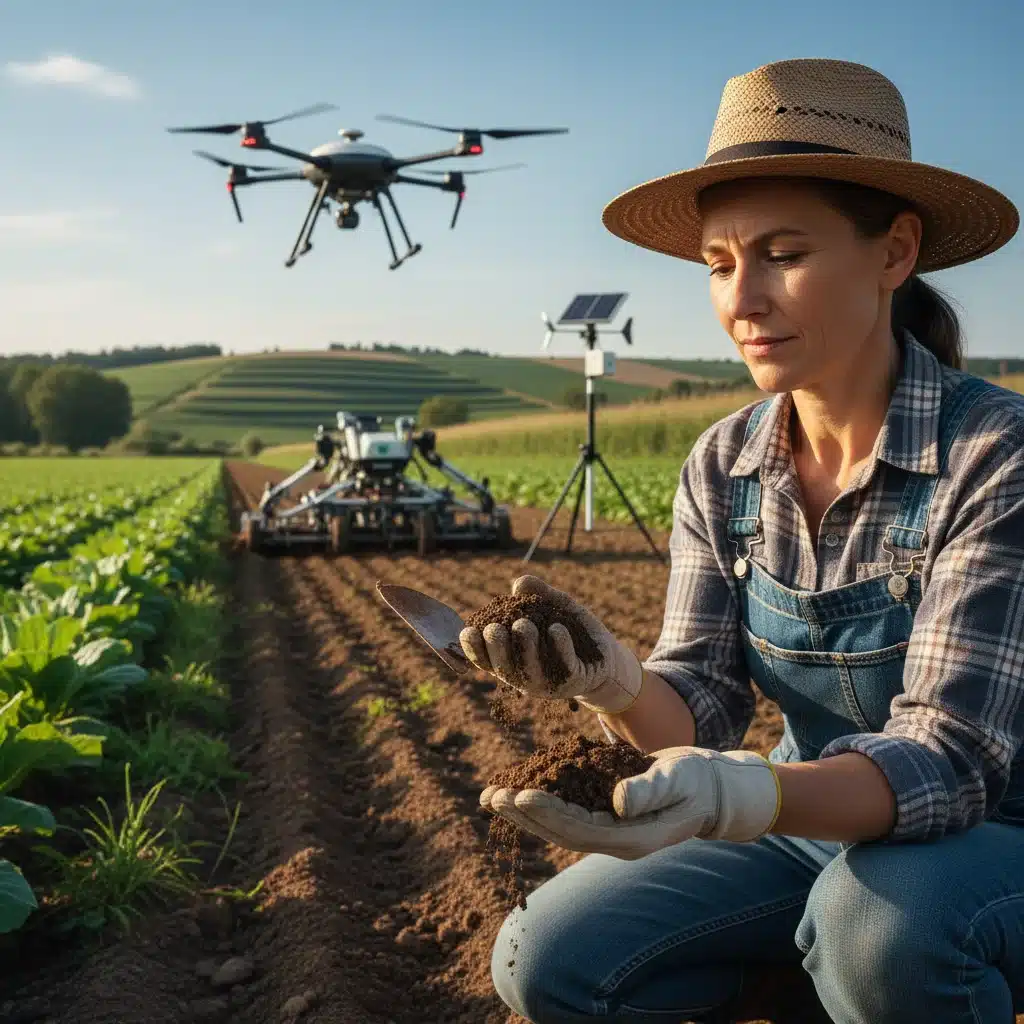
Environmental Quality Incentives Program (EQIP) and Conservation Stewardship Program (CSP)
EQIP and CSP are crucial programs that provide financial and technical assistance to implement conservation practices on working lands. EQIP helps farmers adopt specific practices like cover crops, nutrient management, and improved grazing systems. CSP, on the other hand, rewards farmers for maintaining and enhancing existing conservation systems and adopting new, higher-level conservation activities. Both programs are highly popular and often oversubscribed, indicating a strong demand for conservation support among agricultural producers.
In the context of the 2026 Farm Bill, there will be significant pressure to increase funding for EQIP and CSP to meet this demand and scale up climate-smart agricultural practices. There will also be discussions about streamlining the application process, ensuring equitable access for all types of producers, and better integrating climate change objectives into the program criteria. The goal is to make these programs even more effective in addressing pressing environmental challenges while supporting agricultural productivity and resilience.
Emerging Conservation Priorities: Climate-Smart Agriculture
Climate change is undoubtedly one of the most significant challenges facing agriculture today. The 2026 Farm Bill is expected to place a strong emphasis on climate-smart agriculture, which encompasses practices that help reduce greenhouse gas emissions, sequester carbon in soils, and enhance agricultural resilience to climate impacts. This could involve expanding funding for research into climate-resilient crops, incentivizing renewable energy adoption on farms, and promoting practices like agroforestry and precision agriculture that optimize resource use.
New programs or expanded initiatives within the 2026 Farm Bill might specifically target carbon markets or provide direct payments for ecosystem services, creating new revenue streams for farmers who adopt environmentally beneficial practices. The integration of climate objectives across all titles of the Farm Bill, not just conservation, will be a defining feature of the upcoming legislation, reflecting a broader governmental commitment to addressing climate change.
Beyond Subsidies and Conservation: Other Crucial Titles
While agricultural subsidies and conservation programs often dominate headlines, the 2026 Farm Bill encompasses many other vital titles that impact various aspects of rural America and the food system.
Nutrition Programs: A Foundation of Food Security
The nutrition title, primarily funding the Supplemental Nutrition Assistance Program (SNAP), accounts for the largest share of Farm Bill spending. SNAP provides food assistance to low-income individuals and families, playing a critical role in combating food insecurity. Debates surrounding the 2026 Farm Bill will inevitably include discussions about SNAP’s funding levels, eligibility requirements, and potential reforms to ensure it continues to meet the needs of vulnerable populations while also promoting healthy eating. There’s often a tension between those advocating for expanded access and those seeking to impose stricter work requirements or limit benefits, making this a highly politically charged aspect of the bill.
Rural Development: Investing in Communities
The rural development title supports a wide range of programs aimed at improving the quality of life and economic vitality in rural areas. This includes funding for infrastructure projects (e.g., broadband internet, water systems), business development loans, and community facilities. As rural communities continue to face challenges such as population decline and limited access to essential services, the 2026 Farm Bill is expected to prioritize investments that foster economic growth, create jobs, and enhance the resilience of rural America. Expanding access to high-speed internet, in particular, remains a critical focus for bridging the digital divide.
Agricultural Research and Extension
Innovation is key to a productive, sustainable, and resilient agricultural sector. The research and extension title of the Farm Bill funds agricultural research at universities and federal agencies, as well as extension services that disseminate this knowledge to farmers. For the 2026 Farm Bill, there will be a strong emphasis on investing in research that addresses climate change adaptation, develops new technologies for precision agriculture, enhances pest and disease management, and improves food safety. Supporting cutting-edge research is essential for ensuring American agriculture remains competitive and responsive to future challenges.
Forestry and Energy Titles
The Farm Bill also includes titles dedicated to forestry and energy. The forestry title supports sustainable forest management, wildfire prevention, and forest conservation programs, often in collaboration with private landowners. The energy title promotes the production of renewable energy from agricultural products and supports energy efficiency on farms. The 2026 Farm Bill will likely seek to strengthen these programs, recognizing the interconnectedness of agriculture, forestry, and energy in achieving broader environmental and economic goals.

Challenges and Opportunities for the 2026 Farm Bill
Crafting the 2026 Farm Bill will be a formidable undertaking, fraught with challenges but also presenting significant opportunities to shape the future of American agriculture.
Political and Economic Headwinds
The political climate in Washington D.C. often complicates the Farm Bill process. Deep partisan divides, competing regional interests, and an increasingly polarized political landscape can make consensus difficult to achieve. Furthermore, the economic context, including inflationary pressures, global market fluctuations, and the national debt, will inevitably influence budget allocations and program design. The cost of the Farm Bill is always a major point of contention, with advocates for various programs vying for limited resources. Balancing these demands while maintaining fiscal prudence will be a delicate act for lawmakers.
Addressing Climate Change
The imperative to address climate change presents both a challenge and a monumental opportunity. The 2026 Farm Bill has the potential to be a transformative piece of legislation in this regard, incentivizing widespread adoption of climate-smart practices and supporting farmers in adapting to a changing climate. However, integrating climate objectives into existing programs and developing new ones will require careful planning, significant investment, and broad stakeholder buy-in. There will be debates over the most effective approaches, the role of government incentives versus market-based solutions, and how to ensure these initiatives are equitable and accessible to all farmers.
Ensuring Equity and Inclusivity
Historical inequities in agricultural policy have disproportionately affected socially disadvantaged farmers and ranchers. The 2026 Farm Bill offers an opportunity to address these long-standing issues by improving access to programs, providing targeted assistance, and removing systemic barriers. This includes ensuring that conservation programs, credit programs, and technical assistance reach all segments of the farming community, fostering a more equitable and inclusive agricultural sector.
Technological Advancements and Innovation
Rapid technological advancements, from precision agriculture and biotechnology to artificial intelligence and automation, are transforming farming practices. The 2026 Farm Bill needs to be forward-looking, supporting research and development that leverages these innovations to enhance productivity, efficiency, and sustainability. This also includes addressing the digital divide in rural areas to ensure all farmers can access and utilize these transformative technologies.
Preparing for the 2026 Farm Bill: What Stakeholders Can Do
For farmers, ranchers, conservationists, rural communities, and anyone with a vested interest in American agriculture, engaging with the 2026 Farm Bill process is crucial. Here are some ways to prepare and participate:
- Stay Informed: Follow agricultural news, listen to podcasts, and read reports from reputable organizations that track Farm Bill developments. Understanding the key issues and proposals is the first step.
- Engage with Advocacy Groups: Join or support agricultural associations, environmental organizations, and anti-hunger groups that represent your interests. These groups play a vital role in lobbying Congress and shaping policy.
- Contact Your Representatives: Reach out to your elected officials—both in the House and Senate—to share your perspectives and concerns about the Farm Bill. Personal stories from constituents can be very impactful.
- Participate in Public Hearings and Surveys: As the Farm Bill development progresses, there will likely be opportunities for public input, such as listening sessions or online surveys. Make your voice heard.
- Network with Peers: Discuss the Farm Bill with other farmers, ranchers, and community members. Sharing experiences and forming collective opinions can strengthen advocacy efforts.
- Plan Ahead: Understand how potential changes to subsidy structures or conservation programs might impact your operation or community and begin to strategize accordingly.
Conclusion: The Future of American Agriculture Rests with the 2026 Farm Bill
The 2026 Farm Bill stands as a pivotal moment for American agriculture. It is an opportunity to address pressing challenges, from climate change and food security to rural economic development and equity, while also strengthening the safety net for farmers. The decisions made during its authorization will resonate for years to come, influencing how food is produced, how our natural resources are managed, and how rural communities thrive.
The complex interplay of agricultural subsidies, conservation programs, nutrition assistance, and rural development initiatives will require careful consideration and collaborative effort from policymakers, stakeholders, and the public. By staying informed, engaging in constructive dialogue, and advocating for policies that promote a resilient, sustainable, and equitable food and agricultural system, we can collectively ensure that the 2026 Farm Bill serves the best interests of all Americans. The future of farming, food, and environmental stewardship in the United States depends on the thoughtful and forward-looking construction of this essential legislation.
Autor