Subscription Traps: Avoid Unwanted Charges & Cancel Services Within 7 Days (2026 Guide)
Anúncios
Subscription Traps: How to Avoid Unwanted Charges and Cancel Services Within 7 Days in 2026
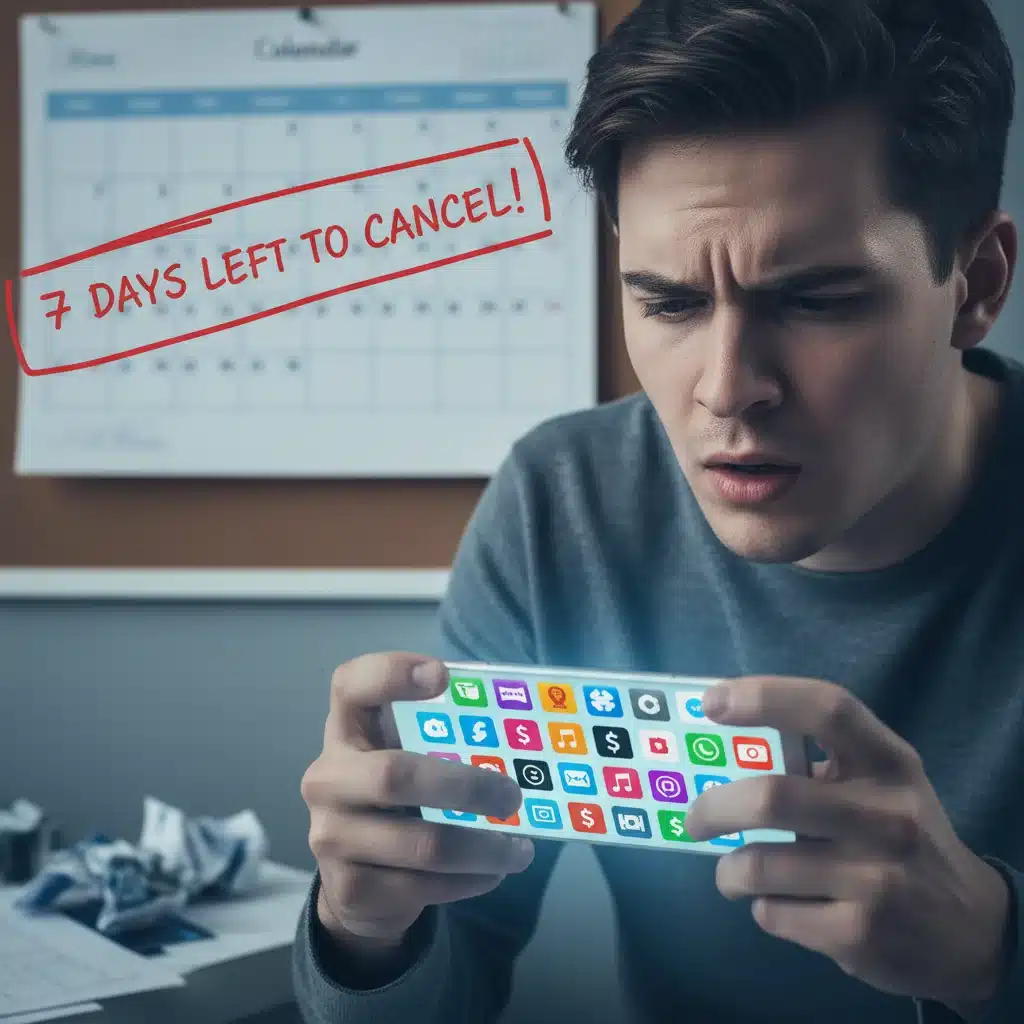
In our increasingly digital world, subscription services have become an integral part of our daily lives. From streaming entertainment and fitness apps to productivity tools and online learning platforms, the convenience they offer is undeniable. However, this convenience often comes with a hidden cost: the dreaded subscription trap. These traps can lead to unexpected charges, forgotten renewals, and a general feeling of being financially exploited. As we navigate 2026, the landscape of digital services continues to evolve, making it more crucial than ever to understand how to identify, avoid, and swiftly exit these financial pitfalls. This comprehensive guide will equip you with the knowledge and strategies to protect your wallet and cancel unwanted services within a critical 7-day window.
Anúncios
The Rising Tide of Subscription Traps in 2026
The allure of ‘free trials’ and introductory offers is powerful. Many companies strategically design their subscription models to make it easy to sign up but notoriously difficult to cancel. In 2026, with artificial intelligence and personalized marketing becoming more sophisticated, these traps are becoming even more insidious. Consumers often find themselves enrolled in services they no longer use, or worse, never intended to keep beyond the trial period. These unwanted charges can accumulate, draining your bank account without you even realizing it until it’s too late. Understanding the mechanics of these traps is the first step towards effective prevention and swift cancellation.
What Exactly Constitutes a Subscription Trap?
A subscription trap is generally defined as a situation where a consumer is enrolled in a recurring service without clear, explicit consent, or where the cancellation process is deliberately made difficult or obscure. This can manifest in several ways:
Anúncios
- Automatic Renewal Defaults: Many services automatically renew at the end of a free trial or introductory period, often at a significantly higher price, without adequate notification.
- Hidden Terms and Conditions: Crucial information about billing cycles, cancellation policies, and renewal dates is often buried deep within lengthy, convoluted terms and conditions that few people read.
- Complex Cancellation Processes: Companies might require you to call a specific number during limited hours, navigate a labyrinthine website, or even send a physical letter to cancel, making the process frustrating and time-consuming.
- Pre-checked Boxes: During sign-up, options to ‘agree to recurring charges’ or ‘auto-renew’ might be pre-checked, relying on consumer oversight.
- Vague Offerings: Some services offer a ‘free gift’ or ‘discounted item’ that automatically enrolls you in a costly recurring subscription if not canceled promptly.
The financial impact of these traps can be substantial. A recent study indicated that the average consumer underestimates their monthly subscription spending by a significant margin. By learning to identify these tactics, you can better protect your financial well-being.
Why the 7-Day Window is Crucial for Cancellation
The 7-day window is often a critical period for canceling unwanted subscriptions, especially after a free trial or an accidental sign-up. Many consumer protection laws and company policies offer a grace period, typically ranging from 3 to 14 days, during which you can cancel a service without incurring any charges or facing significant penalties. The 7-day mark is a commonly observed threshold. Acting within this timeframe can save you from:
- First Billing Cycle Charges: Missing the cancellation deadline, even by a day, can result in being charged for the entire first billing cycle, which could be monthly, quarterly, or even annually.
- Difficulty in Obtaining Refunds: While some companies might offer pro-rated refunds, many have strict ‘no refund’ policies once the trial period ends or the first billing cycle begins.
- Legal and Administrative Hassles: Disputing charges with your bank or credit card company can be a lengthy and frustrating process, often requiring substantial documentation.
- Unnecessary Financial Strain: Small, recurring charges can add up quickly, impacting your budget and potentially leading to overdrafts or other financial difficulties.
Therefore, developing a proactive approach to managing your subscriptions, particularly within this initial week, is paramount. This guide will provide actionable steps to make this process as smooth and effective as possible in 2026.
Proactive Strategies to Avoid Subscription Traps in 2026
Prevention is always better than cure, especially when it comes to financial commitments. Here are advanced strategies to help you steer clear of subscription traps:
1. Read the Fine Print – Every Single Time
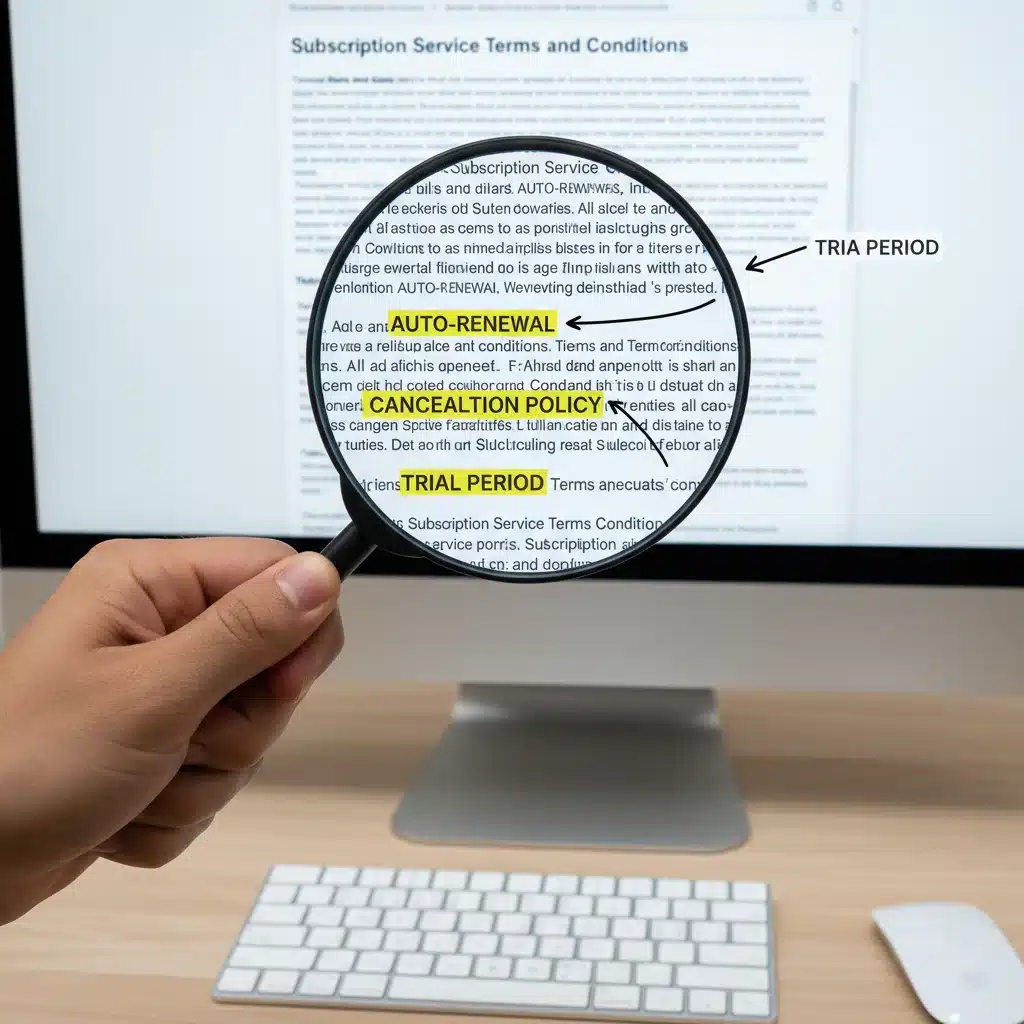
It might sound tedious, but thoroughly reading the terms and conditions (T&Cs) before agreeing to any subscription, especially free trials, is non-negotiable. Look specifically for clauses related to:
- Automatic Renewal: Does the service auto-renew? If so, when and at what cost?
- Cancellation Policy: What is the exact procedure for cancellation? Are there specific deadlines or methods required?
- Billing Cycle: When will you be charged after the free trial ends?
- Refund Policy: What are the conditions for a refund if you cancel late?
In 2026, some platforms are utilizing AI to summarize T&Cs, but always verify critical details yourself. Don’t rely solely on highlighted sections; the devil is often in the details.
2. Use Virtual Credit Cards or Prepaid Cards for Trials
Many banks and financial technology companies now offer virtual credit card numbers that can be set with spending limits or expire after a single use. Alternatively, prepaid debit cards can be loaded with a minimal amount. Using these for free trials ensures that even if you forget to cancel, the company cannot charge you beyond the available balance or after the card expires. This is an excellent firewall against unwanted charges.
3. Set Immediate Reminders and Calendar Alerts
As soon as you sign up for a free trial or a new subscription, immediately set a reminder in your digital calendar (e.g., Google Calendar, Outlook, smartphone reminders) for at least 2-3 days before the trial period is scheduled to end. This gives you ample time to evaluate the service and initiate the cancellation process if you decide it’s not for you. Be specific with your reminders, including the service name and a direct link to its cancellation page if possible.
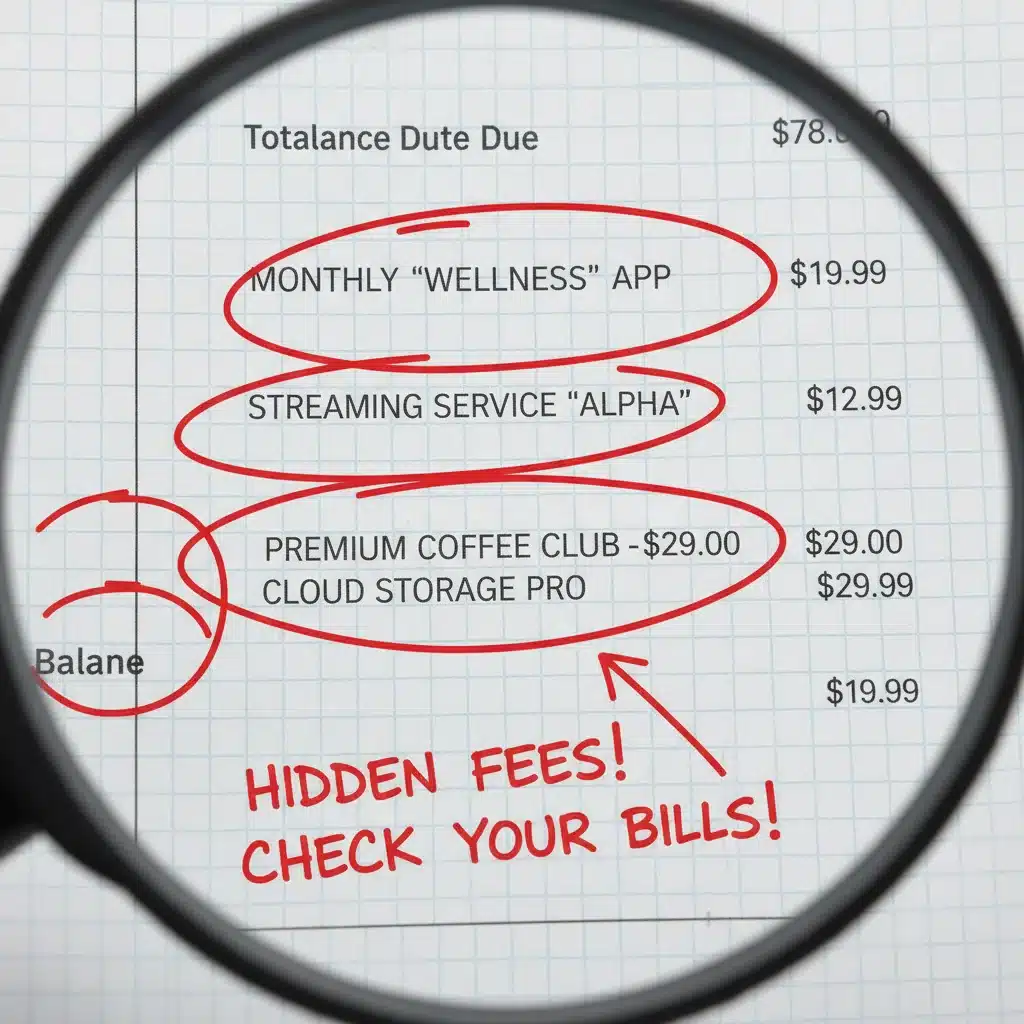
4. Review Your Bank and Credit Card Statements Regularly
This is a fundamental financial habit that becomes even more critical in managing subscriptions. Regularly (at least weekly, ideally) scrutinize your bank and credit card statements for any unfamiliar or unexpected recurring charges. Many subscription traps are only discovered months after they begin, making refunds difficult. Early detection is key.
5. Utilize Subscription Management Apps
In 2026, a growing number of apps are designed specifically to help you track and manage your subscriptions. These apps often link to your bank accounts and credit cards to automatically identify recurring payments, notify you of upcoming renewals, and even help you cancel services. Popular options include Rocket Money (formerly Truebill), Mint, and Bobby.
Actionable Steps: Canceling Services Within 7 Days (A 2026 Checklist)
If you find yourself in a subscription trap or simply decide a service isn’t worth keeping, acting swiftly within that crucial 7-day window is essential. Here’s a step-by-step guide:
Step 1: Locate Your Account Information
Gather all relevant information: your username, password, the email address used for sign-up, and any account numbers. This will expedite the cancellation process. If you used a specific email alias for trials, ensure you have access to it.
Step 2: Find the Cancellation Policy
Navigate to the service’s website. Look for sections like ‘Account Settings,’ ‘Billing,’ ‘Subscriptions,’ ‘Help,’ ‘FAQ,’ or ‘Terms and Conditions.’ The cancellation policy should be clearly outlined. Pay attention to:
- Method of Cancellation: Is it online, via phone, email, or physical mail?
- Cancellation Deadline: What is the absolute last day to cancel without being charged?
- Confirmation Requirement: Do you need to receive a confirmation email or code?
Step 3: Initiate the Cancellation Process Immediately
Do not procrastinate. As soon as you decide to cancel, follow the prescribed steps. If it’s an online process, take screenshots of each step, especially the final confirmation page. If you need to call, note down the date, time, customer service representative’s name, and a reference number for your call.
Tips for Online Cancellation:
- Look for buttons like ‘Cancel Subscription,’ ‘Manage Plan,’ or ‘Downgrade Account.’
- Be wary of ‘dark patterns’ – intentionally confusing interfaces designed to deter cancellation. These might include offering discounts or asking multiple times if you’re sure you want to cancel. Persist through these prompts.
- Clear your browser cache and cookies if you encounter issues, or try a different browser.
Tips for Phone Cancellation:
- Be polite but firm. State clearly that you wish to cancel your service.
- If offered incentives to stay, politely decline if you’ve made up your mind.
- Request a cancellation confirmation number or email.
Step 4: Confirm Cancellation
This is a critical step. After initiating the cancellation, ensure you receive a confirmation email or a confirmation number. Store this information securely. If you don’t receive confirmation within 24-48 hours, follow up with customer support.
Step 5: Revoke Payment Access (If Necessary)
If you’re concerned the company might still attempt to charge you, or if you’re struggling with a deliberately difficult cancellation process, you can take an extra step: revoke payment access. This can be done by:
- Contacting Your Bank/Credit Card Provider: Inform them that you have canceled a service and do not authorize any further charges from that specific merchant. They can often place a block on future transactions.
- Changing Payment Method: If possible, change the payment method associated with the subscription to a virtual card with no funds or a card you plan to cancel soon.
This step should be a last resort after attempting to cancel directly with the service provider, as it can sometimes lead to your account being sent to collections if there’s a legitimate outstanding balance.
Common Subscription Trap Scenarios and How to Handle Them
Being aware of common scenarios can help you anticipate and react effectively.
The “Free Trial Requires Credit Card” Trap
Many services require credit card details even for a free trial. This is a common setup for auto-renewal. Always assume it will auto-renew and set a reminder to cancel before the trial ends. Use a virtual card if you’re unsure about keeping the service.
The “Introductory Offer” That Skyrockets in Price
You might sign up for a service at a heavily discounted rate for a few months, only for the price to jump significantly without clear notification. Always check the full price after the introductory period and set a reminder to re-evaluate the service before the price increase.
The “Bundled Service” You Didn’t Know You Had
Sometimes, when signing up for one service, you might inadvertently agree to a bundle that includes other, less desirable subscriptions. Carefully review all options during sign-up and deselect any unwanted additions.
The “Difficult-to-Find Cancellation Button”
This is a classic dark pattern. If you can’t easily find the cancellation option on the website, try searching their help center for “how to cancel” or use a search engine to find direct links or instructions from other users. Consumer forums can be a valuable resource.
Legal Recourse and Consumer Protection in 2026
Despite your best efforts, you might still fall victim to a particularly egregious subscription trap. Fortunately, consumer protection laws are evolving to address these issues. In 2026, many regions have strengthened regulations around subscription practices.
Understanding Your Rights
- Clear Disclosure: Companies are increasingly required to clearly disclose all terms, especially those related to auto-renewal and cancellation, before you commit.
- Easy Cancellation: Laws are moving towards mandating that cancellation be as easy as signing up.
- Refund Rights: Depending on your location, you may have statutory rights to a refund if a service was misrepresented or if cancellation was unduly obstructed.
Where to Seek Help:
- Consumer Protection Agencies: Organizations like the Federal Trade Commission (FTC) in the US, the Competition and Markets Authority (CMA) in the UK, or similar bodies in other countries, are responsible for protecting consumers from unfair business practices. You can file a complaint with them.
- Better Business Bureau (BBB): While not a government agency, the BBB can help mediate disputes between consumers and businesses.
- Your Bank/Credit Card Company: If you’ve been charged unfairly, your financial institution can often initiate a chargeback, which can help you recover funds. Provide them with all documentation related to your attempts to cancel.
- Legal Counsel: In extreme cases, or for significant financial losses, consulting with a consumer law attorney might be an option.
Building a Sustainable Subscription Management Habit
Avoiding subscription traps isn’t a one-time event; it’s an ongoing habit. By integrating these practices into your financial routine, you can maintain control over your spending and ensure you’re only paying for services you genuinely value and use.
Quarterly Subscription Audits
Schedule a quarterly review of all your subscriptions. Use a spreadsheet, a dedicated app, or simply your bank statements to list every recurring charge. Ask yourself for each service:
- Do I still use this?
- Is it worth the cost?
- Are there cheaper alternatives?
- Can I get by without it?
This regular audit helps you identify forgotten subscriptions and make informed decisions about your spending.
Consolidate and Simplify
Where possible, try to consolidate similar services. For example, if you have multiple streaming services, consider if you truly need them all or if one or two suffice. Simplifying your subscription landscape makes it easier to manage and track.
Be Skeptical of “Limited-Time Offers”
Companies often use urgency to push subscriptions. While some offers are genuine, always approach “limited-time deals” or “exclusive discounts” with a healthy dose of skepticism. Remember, if a deal seems too good to be true, it often is, especially if it ties you into a long-term commitment or auto-renewal.
Educate Yourself and Others
Share your knowledge with friends and family. The more informed consumers are, the harder it becomes for companies to employ deceptive subscription practices. Collective awareness is a powerful tool against these traps.
The Future of Subscriptions and Consumer Protection (Beyond 2026)
As technology advances, so too will the methods used by companies to acquire and retain subscribers. However, consumer advocacy and regulatory bodies are also becoming more proactive. We can anticipate:
- Stricter Opt-in Requirements: Clearer, affirmative consent for recurring charges will likely become standard.
- Standardized Cancellation Processes: Regulations may push for simplified, universal cancellation methods across all services.
- AI-Powered Consumer Tools: More sophisticated AI tools will emerge to help consumers track, manage, and even automatically dispute unwanted charges.
- Increased Transparency: Companies will face greater pressure to be fully transparent about their pricing, renewal terms, and cancellation policies.
Staying informed about these developments will be crucial for effective subscription management in the years to come.
Conclusion
Subscription traps are a persistent and evolving challenge in the digital economy of 2026. However, by adopting a proactive, informed, and diligent approach, you can effectively avoid unwanted charges and confidently manage your digital services. Remember the critical 7-day window for cancellation, meticulously review terms, leverage technological tools, and regularly audit your financial statements. By empowering yourself with these strategies, you can ensure that your subscriptions enhance your life without unknowingly draining your wallet. Take control of your digital spending today and protect your financial future.
Autor