Stopping Robocalls: FCC Directives & 90% Blocking by 2026
Anúncios
Stopping Robocalls: The Latest FCC Directives and How to Block 90% of Unwanted Calls in 2026
Anúncios
Robocalls have become an undeniable nuisance, disrupting our daily lives, eroding trust in our communication systems, and, in many cases, leading to outright fraud. From unsolicited telemarketing pitches to sophisticated phishing attempts, the sheer volume and persistence of these automated calls have reached epidemic proportions. If you’re reading this, chances are you’ve been a victim of this relentless assault on your peace of mind. The good news is that regulatory bodies like the Federal Communications Commission (FCC) are continually evolving their strategies, and technological advancements are making it increasingly possible to significantly curb this problem. Our goal today is to equip you with the knowledge and tools to effectively block robocalls 2026, aiming for an impressive 90% reduction in unwanted interruptions.
Understanding the landscape of robocalls and the efforts being made to combat them is the first step towards reclaiming your phone line. This comprehensive guide will delve into the latest FCC directives, explore the technologies designed to fight back, and provide actionable steps you can take right now to protect yourself and your loved ones. By the end of this article, you’ll have a clear roadmap to navigate the complexities of call blocking and achieve a much quieter, safer phone experience.
The Escalating Robocall Problem: A Persistent Threat
Before we dive into solutions, it’s crucial to understand the scale of the problem. Robocalls aren’t just annoying; they’re a multi-billion dollar industry for scammers. They cost consumers billions annually through fraud and waste countless hours of productivity. The technology behind robocalls is cheap and easy to deploy, allowing bad actors to make millions of calls in a short period, often spoofing legitimate phone numbers to trick recipients into answering. This practice, known as ‘spoofing,’ makes it incredibly difficult to identify and block the true source of these calls, contributing to the widespread distrust of unknown numbers.
Anúncios
The types of robocalls vary widely: from legitimate (though often unwanted) informational calls like school closures or prescription reminders, to illegal telemarketing calls trying to sell you something you don’t need, to outright scams designed to steal your personal information or money. These scams often impersonate government agencies, banks, or well-known companies, preying on fear or urgency. The FCC receives hundreds of thousands of complaints about robocalls every year, highlighting the urgent need for effective solutions to block robocalls 2026 and beyond.
FCC Directives: A Regulatory Offensive Against Robocalls
The Federal Communications Commission has been at the forefront of the fight against robocalls, implementing a series of directives and regulations aimed at empowering consumers and holding carriers accountable. These efforts have intensified significantly in recent years, recognizing the growing threat posed by these unwanted calls. Understanding these directives is key to appreciating the broader strategy to block robocalls 2026.
STIR/SHAKEN: The Cornerstone of Call Authentication
Perhaps the most significant regulatory push from the FCC is the implementation of STIR/SHAKEN (Secure Telephone Identity Revisited/Signature-based Handling of Asserted information using Tokens). This framework is designed to combat illegal caller ID spoofing by authenticating calls as they pass through the network. In essence, it’s a digital signature system that verifies the caller’s identity and confirms that the number displayed on your caller ID is legitimate and hasn’t been tampered with. This makes it much harder for scammers to hide behind spoofed numbers.
The FCC mandated that all voice service providers implement STIR/SHAKEN in the IP portions of their networks. The deadline for larger carriers was June 30, 2021, with smaller and rural carriers receiving extensions. This phased rollout has been critical in building a more secure calling ecosystem. As STIR/SHAKEN becomes more widely adopted and fully implemented across all networks, it will significantly reduce the effectiveness of spoofed robocalls, making it easier for consumers and call-blocking apps to identify and block robocalls 2026 that are illegitimate.
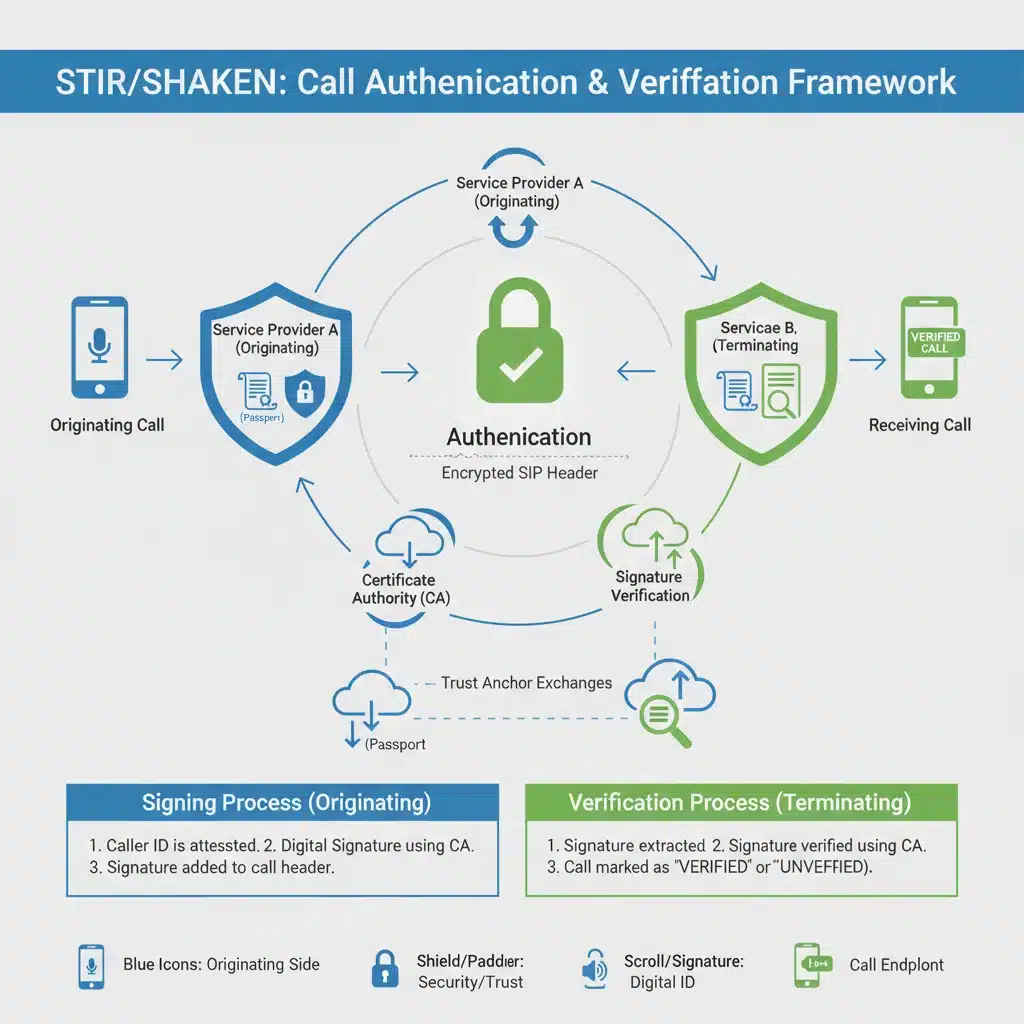
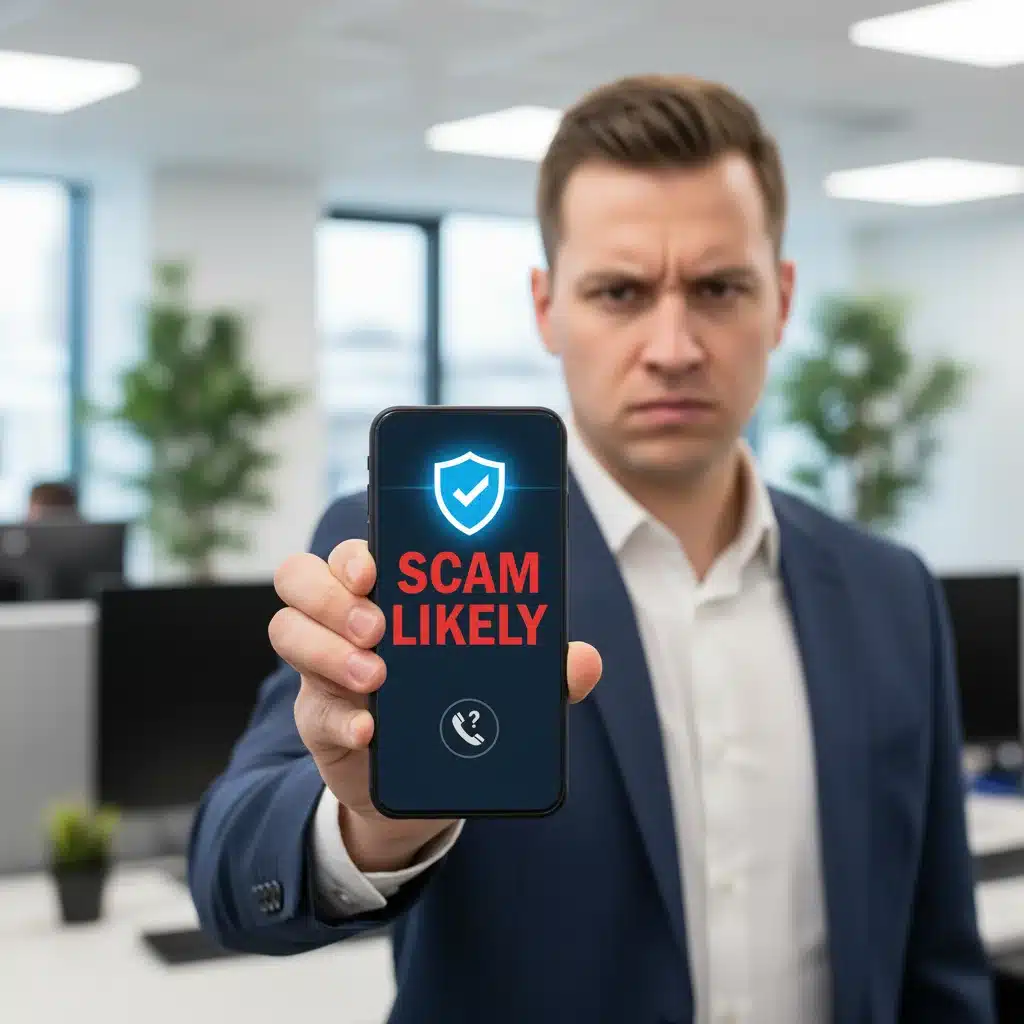
The impact of STIR/SHAKEN is already being felt. When a call comes in, your phone company can now verify its authenticity. If a call lacks the proper STIR/SHAKEN attestation, it can be flagged as potentially fraudulent, allowing carriers to block it or label it with warnings like ‘Spam Likely’ or ‘Scam Risk.’ This transparency is a game-changer for consumers.
Enhanced Enforcement and Fines
Beyond technological solutions, the FCC has also ramped up its enforcement actions against robocallers. This includes issuing substantial fines to individuals and companies responsible for illegal robocall campaigns. These fines can run into millions of dollars, serving as a deterrent to those who seek to profit from illicit calling practices. The FCC works in conjunction with other federal agencies, such as the Federal Trade Commission (FTC), and state attorneys general to investigate and prosecute robocall operations.
Recent FCC actions have targeted ‘gateway’ providers – smaller carriers that often act as entry points for international robocalls into U.S. networks. By requiring these gateway providers to implement STIR/SHAKEN and take proactive steps to block illegal traffic, the FCC is closing loopholes that robocallers have exploited. This aggressive enforcement is a vital component of the strategy to block robocalls 2026.
Reassigned Number Database
Another clever tactic employed by robocallers is to target numbers that have been reassigned to new users. If you get a new phone number, it might have previously belonged to someone else who opted into various marketing lists. Scammers often don’t update their lists, leading to a barrage of calls for the previous owner. To combat this, the FCC established a Reassigned Number Database. This database allows legitimate callers to check if a phone number has been reassigned before making a call, thereby reducing unwanted calls to new subscribers and helping to block robocalls 2026 that are simply misdirected.
This initiative helps legitimate businesses avoid annoying new customers, while simultaneously making it harder for illegal robocallers to claim they were calling a valid subscriber. It’s a small but significant piece of the puzzle in creating a cleaner calling environment.
How to Block Robocalls 2026: Your Actionable Guide
While the FCC’s efforts lay the groundwork, consumers also have a crucial role to play in protecting themselves. Combining regulatory advancements with personal vigilance and available tools can dramatically reduce the number of unwanted calls you receive. Here’s how you can actively work to block robocalls 2026:
1. Leverage Carrier-Provided Call Blocking Tools
Your mobile and landline carriers are increasingly offering their own robocall blocking and filtering services, often for free or a small monthly fee. These services utilize advanced analytics and STIR/SHAKEN data to identify and block suspicious calls before they even reach your phone. Check with your provider (e.g., AT&T Call Protect, T-Mobile Scam Shield, Verizon Call Filter, Xfinity Voice, etc.) to see what options are available.
- Automatic Blocking/Filtering: Many carriers automatically block known spam numbers or flag them as ‘Spam Risk.’
- Call Blocking Apps: Some carriers offer dedicated apps that give you more control, allowing you to customize blocking preferences, report spam, and see details about blocked calls.
- Number Lookup: Some services allow you to look up numbers to see if they’ve been reported as spam.
2. Utilize Third-Party Call Blocking Apps
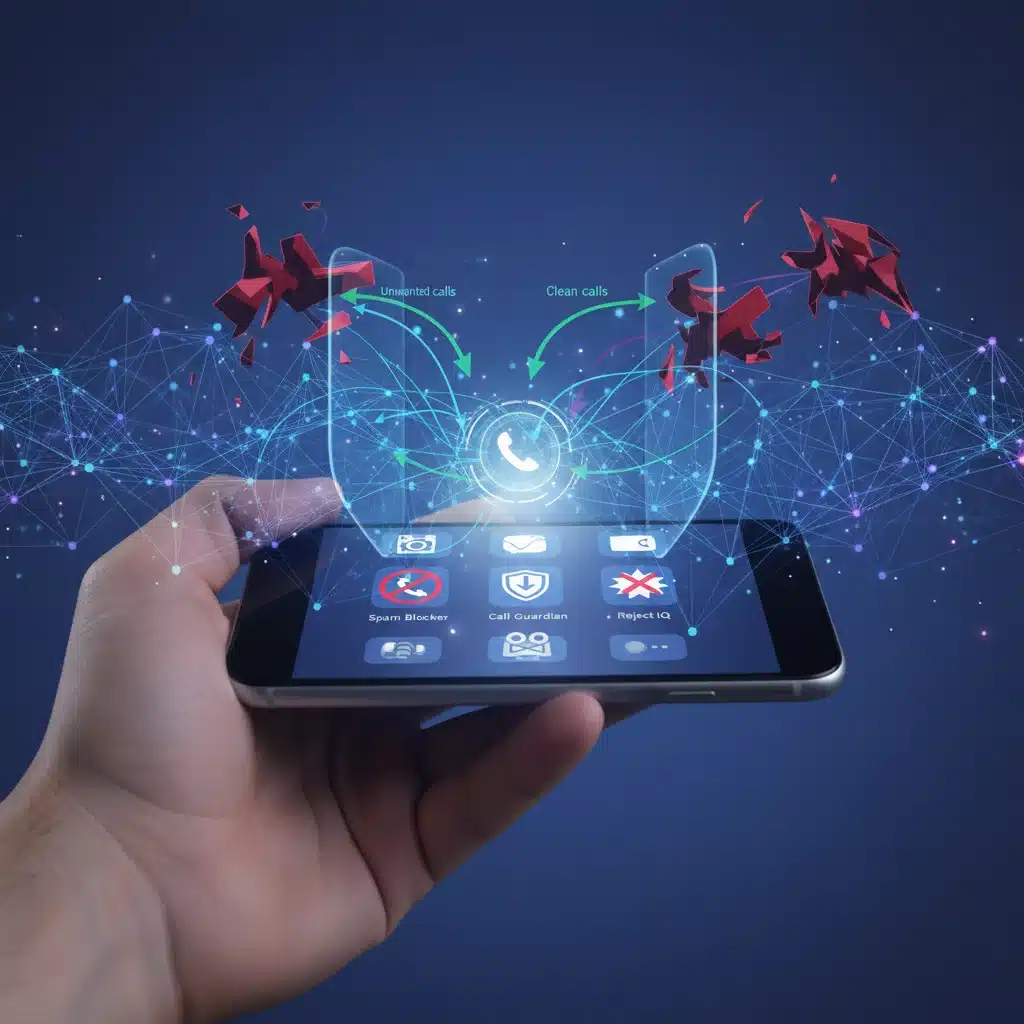
Beyond carrier offerings, a robust ecosystem of third-party apps is available for smartphones, designed specifically to block robocalls 2026. These apps often boast sophisticated algorithms, regularly updated spam databases, and community-driven reporting to identify and block unwanted calls. Popular options include:
- Nomorobo: Blocks robocalls on both mobile and landline phones. It works by ringing your phone once, then disconnecting the call if it’s a known robocaller.
- Truecaller: Identifies unknown numbers, blocks unwanted calls, and provides caller ID for millions of numbers worldwide.
- Hiya: Offers spam and fraud protection, caller ID, and reverse phone lookup. It’s often integrated directly into smartphone operating systems or carrier services.
- YouMail: Provides smart voicemail, robocall blocking, and spam call warnings.
When choosing an app, consider its privacy policy, as some may require access to your contacts or call history. Read reviews and compare features to find the best fit for your needs and to effectively block robocalls 2026.
3. Register Your Number on the National Do Not Call Registry
While not a silver bullet for illegal robocalls, the National Do Not Call Registry (donotcall.gov) is still an important tool. Legitimate telemarketers are legally required to respect this list. If you’re on the registry and still receive telemarketing calls from a legitimate business, you can report them to the FTC. Illegal robocallers, of course, disregard this list, but it’s a foundational step in reducing unwanted calls and supporting your efforts to block robocalls 2026.
It’s important to note that registering your number doesn’t block all unwanted calls. Calls from political organizations, charities, or companies with whom you have an existing business relationship are generally exempt. However, it significantly cuts down on legal telemarketing calls.
4. Be Wary of Answering Unknown Numbers
One of the simplest yet most effective strategies is to be cautious about answering calls from unknown numbers. If a call is important, the caller will likely leave a voicemail. Scammers often rely on you answering to verify your number is active, which can lead to more calls. Train yourself to screen calls and let unknown numbers go to voicemail. This habit alone can help you to block robocalls 2026 from reaching you directly.
5. Block Numbers Manually
Most smartphones allow you to block individual numbers directly from your call history. While this is a reactive measure and won’t stop determined robocallers who frequently switch numbers, it’s effective for persistent offenders or specific numbers that manage to slip through other filters. Make it a habit to block any number that delivers an unwanted robocall. Over time, this can help reduce the volume of calls from specific sources.
6. Report Robocalls
Reporting robocalls is crucial for helping authorities track and prosecute offenders. The more data the FCC and FTC receive, the better equipped they are to identify patterns and take action. You can report robocalls to:
- FCC Complaint Center: consumercomplaints.fcc.gov
- FTC Complaint Assistant: reportfraud.ftc.gov
When reporting, provide as much detail as possible, including the date and time of the call, the number that called you, and a brief description of the call’s content. This information is invaluable in the fight to block robocalls 2026.
7. Protect Your Phone Number
Be judicious about where you share your phone number. When signing up for services, filling out online forms, or participating in contests, consider whether providing your primary phone number is absolutely necessary. Some services offer alternative contact methods, or you might consider using a secondary number for non-essential registrations. The less your number is exposed, the less likely it is to end up on robocaller lists, further aiding your efforts to block robocalls 2026.
The Future Outlook: Achieving 90% Robocall Blocking by 2026
The ambitious goal of blocking 90% of unwanted calls by 2026 is becoming increasingly feasible due to the convergence of several factors:
- Full STIR/SHAKEN Implementation: As all carriers, including smaller and rural providers, fully implement STIR/SHAKEN, the ability to authenticate calls will become near-universal. This will drastically reduce the effectiveness of caller ID spoofing, which is a primary tool for robocallers. The FCC’s continued pressure and deadlines ensure this rollout progresses.
- Advanced AI and Machine Learning: Call blocking services and carrier filters are continually improving their algorithms with AI and machine learning. These technologies can analyze call patterns, identify emerging spam campaigns faster, and predict potential threats with greater accuracy. This proactive approach will be key to staying ahead of robocallers.
- Cross-Industry Collaboration: Increased collaboration between government agencies, telecommunications companies, and tech developers is fostering a more unified front against robocalls. Sharing threat intelligence and best practices accelerates the development of more effective blocking solutions.
- Consumer Awareness and Engagement: A well-informed public that actively uses blocking tools, reports unwanted calls, and understands how to protect their information is a powerful deterrent. The more consumers participate, the more data is available to refine blocking mechanisms and enforce regulations.
- Targeted Enforcement: The FCC’s focus on gateway providers and its willingness to issue significant fines will continue to dismantle the infrastructure that supports large-scale robocalling operations. By cutting off the supply chain for these calls, the overall volume will decrease.
While achieving a 100% block rate might be an unrealistic expectation given the adaptability of scammers, a 90% reduction is an attainable and transformative goal. It means significantly fewer disruptions, less exposure to fraud, and a restoration of trust in our phone lines. The ongoing efforts to block robocalls 2026 represent a concerted push towards a more secure and peaceful communication environment.
Conclusion: Reclaiming Your Phone Line
The fight against robocalls is an ongoing battle, but it’s one where consumers are increasingly empowered. By understanding the latest FCC directives, actively utilizing carrier-provided and third-party blocking tools, practicing smart call screening habits, and reporting persistent offenders, you can make a substantial difference in your daily call experience. The collective efforts of regulators, industry, and informed individuals are paving the way for a future where the incessant ringing of unwanted robocalls becomes a distant memory. By taking these steps now, you are actively contributing to the goal of significantly reducing unwanted calls and helping to block robocalls 2026, creating a more peaceful and secure digital life for everyone.
Stay vigilant, stay informed, and most importantly, take action. Your phone line deserves to be free from harassment, and with the tools and knowledge available today, that future is well within reach.
Autor