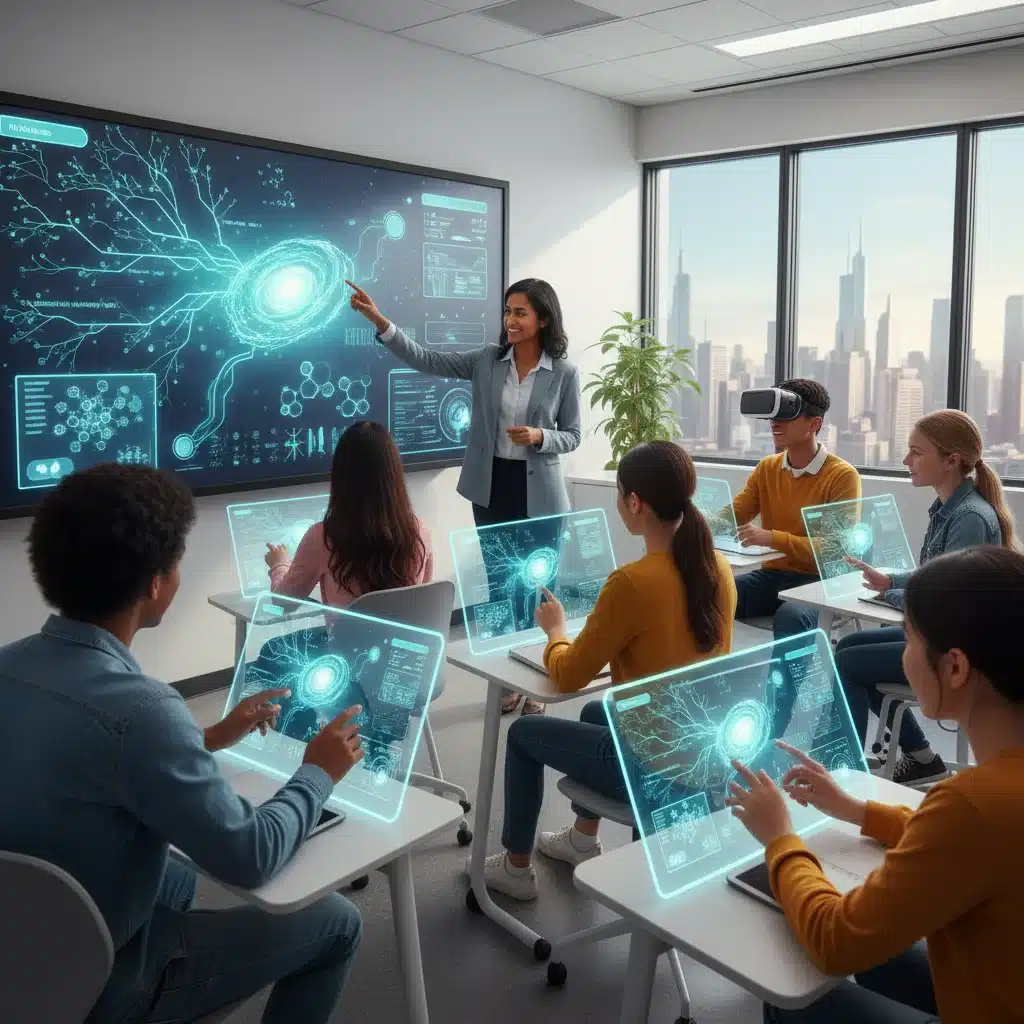
Incorporating AI into the Classroom: A 3-Step Practical Guide for Educators by Spring 2026
The landscape of education is continuously evolving, and at the forefront of this transformation is Artificial Intelligence (AI). Far from being a futuristic concept, AI is rapidly becoming an indispensable tool that promises to revolutionize teaching and learning. As educators, the challenge and opportunity lie in understanding how to effectively integrate AI into the classroom to enhance student engagement, personalize learning experiences, and prepare students for a world increasingly shaped by AI. This comprehensive guide provides a practical, 3-step framework for educators to confidently incorporate AI in the classroom by Spring 2026.
Anúncios
The goal is not to replace human teachers with machines, but rather to empower educators with intelligent tools that can amplify their impact, streamline administrative tasks, and provide unprecedented insights into student progress. By embracing AI, we can foster a more dynamic, inclusive, and effective learning environment. Let’s delve into how you can make this a reality.
Step 1: Understand and Explore AI Tools for the Classroom
The first crucial step in successfully incorporating AI in the classroom is to build a foundational understanding of what AI is, its capabilities, and the specific tools available for educational settings. This involves moving beyond the hype and focusing on practical applications that can genuinely benefit both teachers and students.
Anúncios
What is Educational AI?
At its core, educational AI refers to artificial intelligence technologies designed to assist in teaching, learning, and administrative tasks within an educational context. This can range from intelligent tutoring systems and personalized learning platforms to AI-powered assessment tools and content creation aids. The key is that these tools learn from data, adapt to user needs, and automate processes that would typically require human intelligence.
Exploring the Landscape of AI Tools for Educators
The market for educational AI tools is booming. To effectively integrate AI in the classroom, educators need to explore and identify tools that align with their pedagogical goals and curriculum requirements. Here are some categories and examples to consider:
- Personalized Learning Platforms: These platforms use AI algorithms to adapt content, pace, and teaching methods to individual student needs. They can identify learning gaps, recommend resources, and provide targeted feedback. Examples include Khan Academy’s AI initiatives, Carnegie Learning’s MATHia, and Brainly.
- Intelligent Tutoring Systems (ITS): ITS go beyond simple adaptive learning by providing real-time, one-on-one tutoring experiences. They can engage students in dialogue, answer questions, and guide them through complex problems, much like a human tutor.
- AI-Powered Assessment and Feedback Tools: AI can automate the grading of certain assignments (e.g., multiple-choice, short answer, coding problems) and provide immediate, constructive feedback to students. Tools like Turnitin (with its AI detection features) and various AI writing assistants fall into this category, though caution is advised regarding over-reliance on AI for grading creative or critical thinking tasks.
- Content Creation and Curation Tools: AI can help teachers generate lesson plans, create quizzes, summarize complex texts, or even develop multimedia content. Tools like ChatGPT, Google Bard, and specific AI-powered presentation makers can significantly reduce preparation time.
- Administrative Assistants: AI can automate routine administrative tasks such as scheduling, managing student records, and even responding to frequently asked questions from parents or students.
Pilot Programs and Professional Development
Before widespread adoption, consider initiating pilot programs with a small group of enthusiastic educators. This allows for testing the tools in a controlled environment, gathering feedback, and refining implementation strategies. Concurrent with exploration, robust professional development is paramount. Educators need training not only on how to use the tools but also on the pedagogical principles behind their effective integration. Workshops on AI literacy, ethical considerations, and practical application scenarios will build confidence and competence in using AI in the classroom.
Step 2: Design Ethical and Pedagogically Sound AI Integration Strategies
Once you have a grasp of available AI tools, the next step is to strategically design how they will be integrated into your curriculum and daily teaching practices. This step emphasizes ethical considerations, pedagogical alignment, and practical implementation planning to ensure that AI serves to enhance, not detract from, the learning experience.
Defining Learning Objectives and AI’s Role
Before introducing any AI tool, clearly define the learning objectives you aim to achieve. How will AI help students meet these objectives more effectively or efficiently? For example, if the objective is to improve writing skills, an AI writing assistant might be used for initial brainstorming and grammar checks, but critical thinking and original thought must remain student-driven. If the objective is to understand complex scientific concepts, an AI simulation tool might provide interactive exploration that traditional methods cannot.
Prioritizing Ethical Considerations and Data Privacy
Ethical AI integration is non-negotiable. Educators must address concerns related to data privacy, algorithmic bias, equity, and the potential for over-reliance on AI. Key questions to consider include:
- Data Privacy: What student data will the AI tool collect? How will it be stored and used? Ensure compliance with relevant privacy regulations (e.g., FERPA, GDPR) and choose tools from reputable vendors with strong privacy policies.
- Algorithmic Bias: Be aware that AI algorithms can reflect biases present in their training data. Discuss potential biases with students and consider how to mitigate their impact on learning outcomes, especially for diverse student populations.
- Equity and Access: Ensure that all students have equitable access to AI tools and the necessary digital literacy skills to use them effectively. Consider internet access, device availability, and support for students with disabilities.
- Academic Integrity: Establish clear guidelines for AI use in assignments. Differentiate between using AI as a learning aid and using it to generate plagiarized content. Educate students on responsible AI use.
Integrating AI into Lesson Plans
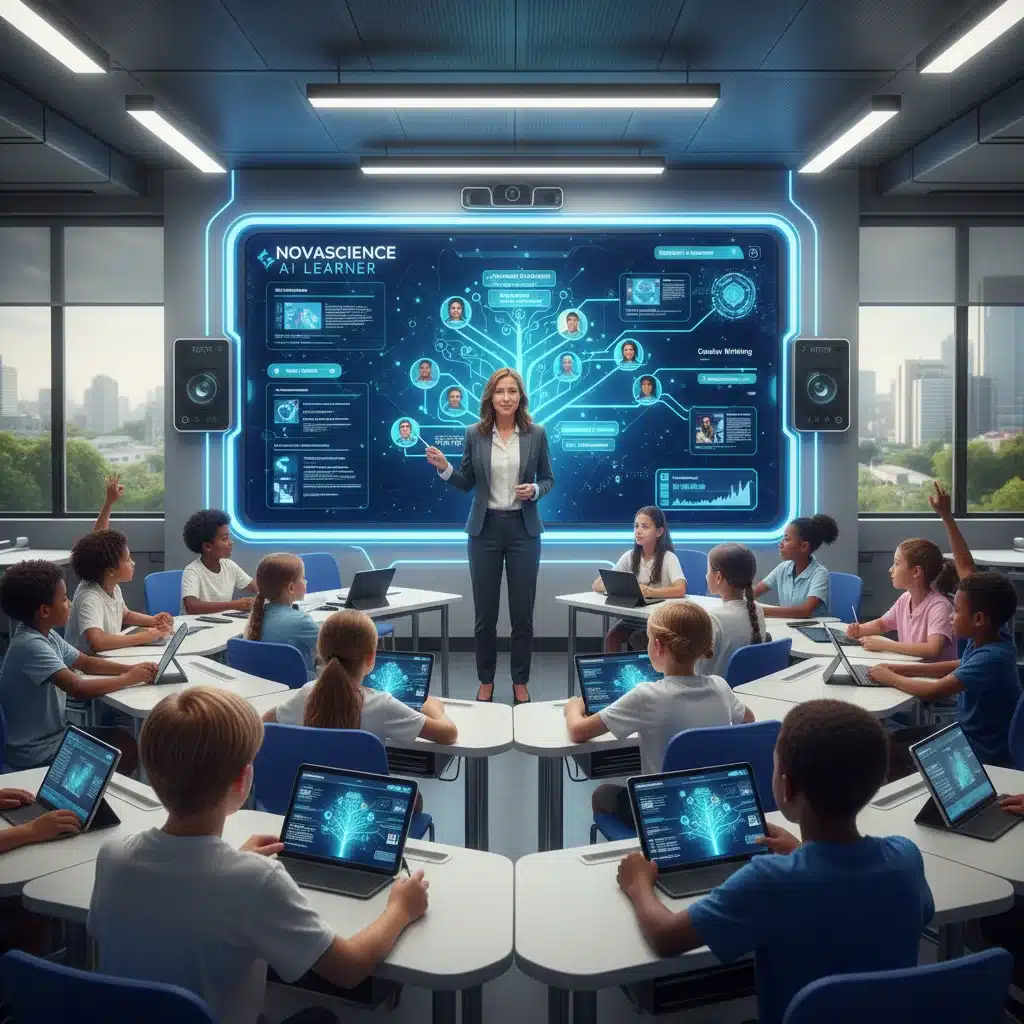
Practical integration means weaving AI into existing lesson plans or designing new ones that leverage AI’s capabilities. Here are some strategies:
- Flipped Classroom Models: Use AI tools to deliver content and initial instruction outside of class, freeing up classroom time for deeper discussion, problem-solving, and project-based learning.
- Differentiated Instruction: Employ AI-powered adaptive learning platforms to provide individualized support and challenges, catering to a wide range of learning styles and abilities within a single classroom.
- Project-Based Learning: AI can assist students in research, data analysis, and even content generation for their projects, allowing them to focus on higher-order thinking skills.
- Formative Assessment: Utilize AI tools for quick, informal assessments to gauge student understanding in real-time and adjust instruction accordingly.
Step 3: Implement, Evaluate, and Adapt AI Strategies for Continuous Improvement
The final step involves putting your designed strategies into action, meticulously evaluating their effectiveness, and being prepared to adapt based on feedback and results. This iterative process ensures that AI in the classroom remains a dynamic and beneficial force for learning.
Phased Implementation
Avoid a ‘big bang’ approach. Instead, implement AI strategies in phases. Start with a single class or a specific unit, gather feedback, refine your approach, and then gradually expand. This allows for controlled experimentation and minimizes disruption.
Monitoring and Evaluation
Establish clear metrics to evaluate the impact of AI integration. These could include:
- Student Engagement: Are students more motivated and actively participating when AI tools are used? Observe classroom dynamics and conduct student surveys.
- Learning Outcomes: Is there a measurable improvement in student understanding, skill acquisition, or academic performance? Compare results with traditional methods.
- Teacher Efficiency: Is AI reducing teacher workload in areas like grading, content creation, or administrative tasks?
- Student Feedback: Regularly solicit feedback from students on their experiences with AI tools. What do they find helpful? What are their challenges?
- Ethical Adherence: Continuously monitor whether ethical guidelines are being followed and address any emerging concerns related to bias, privacy, or misuse.

Adaptation and Iteration
Based on your evaluation, be prepared to adapt your strategies. AI technology is evolving rapidly, and what works today might need adjustment tomorrow. This could mean:
- Tool Switching: If a particular AI tool isn’t meeting expectations, explore alternatives.
- Pedagogical Adjustments: Modify how you use AI in your teaching based on student responses and learning outcomes.
- Professional Learning: Continuously seek out new professional development opportunities to stay current with AI advancements and best practices in educational technology.
- Sharing Best Practices: Create a culture of sharing among educators. What worked well for one teacher might benefit another.
Challenges and Considerations for AI in the Classroom
While the benefits of incorporating AI in the classroom are substantial, it’s important to acknowledge and address potential challenges. These include:
- Digital Divide: Ensuring equitable access to technology and reliable internet for all students remains a significant hurdle.
- Teacher Training: Many educators lack the necessary training and confidence to effectively use AI tools. Ongoing, practical professional development is crucial.
- Cost: High-quality AI educational tools can be expensive, posing budgetary constraints for schools and districts.
- Over-reliance and Deskilling: There’s a risk that students might become overly reliant on AI for tasks that require critical thinking, problem-solving, or creative expression, potentially leading to a ‘deskilling’ effect.
- Maintaining Human Connection: Technology should enhance, not replace, the invaluable human connection between teachers and students.
- Rapid Evolution: The pace of AI development means that tools and best practices can become outdated quickly, requiring continuous learning and adaptation.
The Future of Learning with AI by Spring 2026 and Beyond
By Spring 2026, educators who proactively engage with this 3-step guide will be well on their way to transforming their classrooms. The integration of AI in the classroom is not just about adopting new tools; it’s about reimagining the learning experience. Imagine a classroom where every student receives personalized feedback on their writing in real-time, where complex scientific concepts are explored through interactive AI simulations, and where teachers are freed from grading mundane tasks to focus on fostering creativity and critical thinking.
AI has the potential to:
- Personalize Learning: Tailor educational content and pace to each student’s unique needs, learning style, and progress.
- Enhance Accessibility: Provide accommodations for students with diverse learning needs, such as text-to-speech, language translation, or visual aids.
- Automate Administrative Tasks: Free up teacher time from grading, attendance tracking, and content curation, allowing them to focus more on instruction and student interaction.
- Provide Data-Driven Insights: Offer educators granular data on student performance and engagement, enabling more informed instructional decisions.
- Foster New Skills: Prepare students for a future workforce where AI literacy and collaboration with intelligent systems will be essential.
The journey of incorporating AI in the classroom is an ongoing one, requiring curiosity, adaptability, and a commitment to student success. By following this practical 3-step guide – Understand and Explore, Design Ethical Strategies, and Implement, Evaluate, and Adapt – educators can confidently navigate the exciting possibilities that AI offers. Let’s embrace this technological revolution to create more engaging, effective, and equitable learning environments for all students, preparing them not just for tests, but for life in an AI-powered world.
Conclusion: Empowering Educators for an AI-Driven Future
The integration of AI in the classroom is no longer a distant dream but a present-day reality that forward-thinking educators are already embracing. This guide has provided a clear roadmap, empowering you to confidently navigate the complexities and harness the immense potential of AI. By understanding the tools, designing ethical and pedagogically sound strategies, and committing to continuous evaluation and adaptation, you can transform your teaching practices and profoundly impact student learning by Spring 2026.
Remember, AI is a powerful assistant, not a replacement for the human element in education. It allows educators to move beyond traditional limitations, offering personalized learning experiences, automating routine tasks, and providing unprecedented insights into student progress. The future of education is collaborative, with teachers and intelligent machines working hand-in-hand to inspire, educate, and prepare the next generation. Start your AI integration journey today, and be a part of shaping the innovative classrooms of tomorrow.